http://servuclean.com/category/janitorial-service/office-cleaners/ Hollywood spent years trying to build movies nobody could resist, and audiences started falling for the ones nobody could explain.
Christopher Nolan’s The Odyssey has earned more than $1 billion overseas and nearly $600 million in North America. It is cinema built at the scale of Homer. Stars, monsters, armies, oceans and IMAX screens tall enough to give Zeus vertigo.
The blockbuster lives.
Yet the year’s stranger story belongs to the little creatures running between its feet.
Obsession cost $750,000 and has earned more than $400 million worldwide. Curry Barker, its 26-year-old writer and director, built his audience making comedy sketches and horror shorts for YouTube. He shot the movie in 20 days.
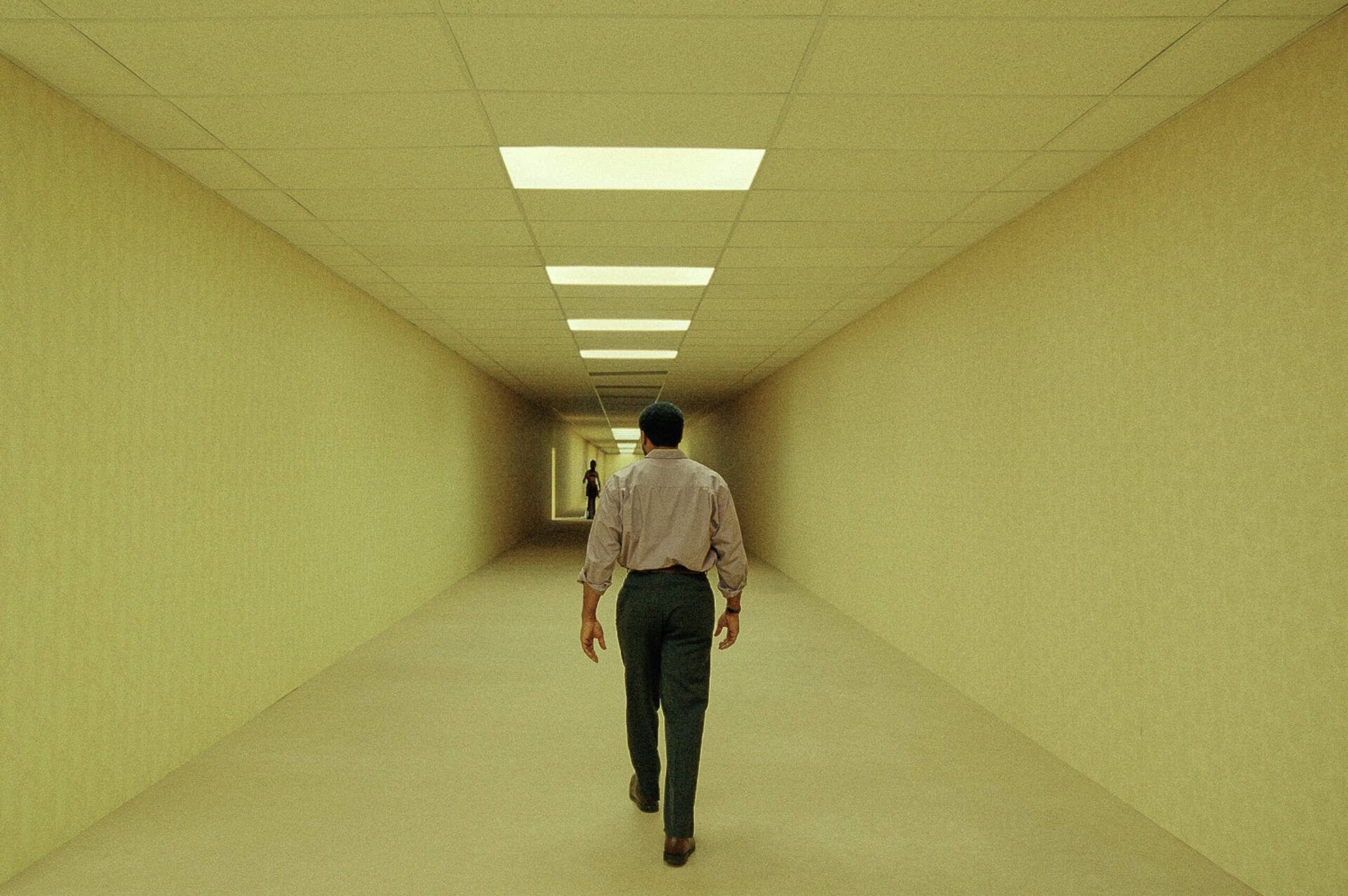
Kane Parsons was 20 when he directed Backrooms, adapted from the internet horror series he began as a teenager. The feature cost about $10 million and has earned more than $394 million. Parsons became the youngest director to open a movie at No. 1. (apnews.com, peacocktv.com, vanityfair.com)
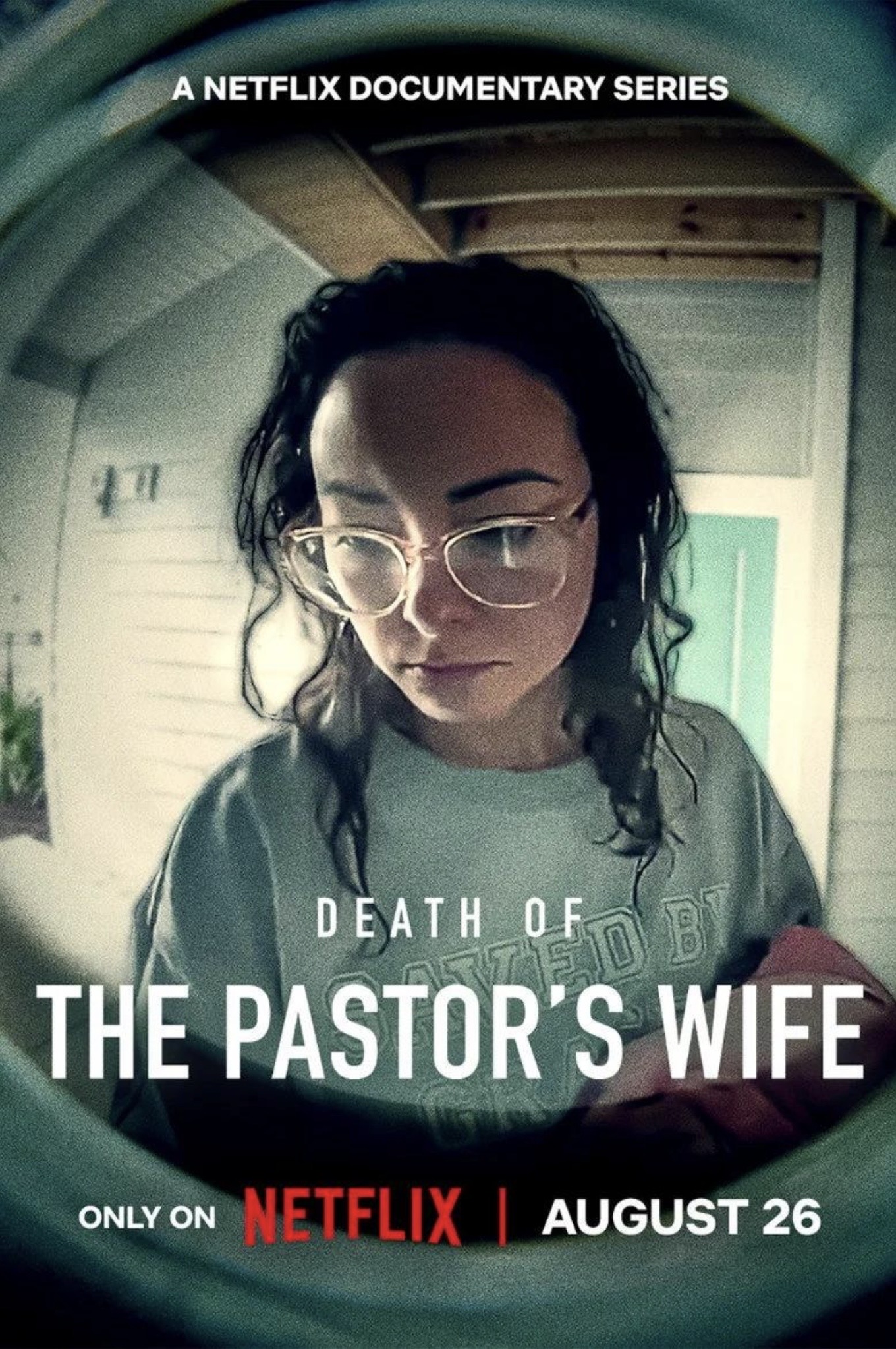
Now comes You Can See Everything, Nathan Fielder and Lance Oppenheim’s three-hour documentary about Elizabeth Holmes.
That sentence barely describes it.
Holmes invited the filmmakers into her home 34 days before she entered federal prison. What began as an intimate documentary grew into a three-year collision among truth, performance and delusion. Early audiences at Telluride called it shocking, hilarious and among the best films of the year. The film reportedly includes elaborate reenactments and an unnamed Hollywood actress portraying Holmes, then slipping between the role and herself. (elle.com, businessinsider.com, thedailybeast.com)
These films share little on paper. One concerns a wish that turns romantic longing into terror. Another traps people inside an endless maze of yellow rooms. The third places a convicted fraudster across from the one comedian uniquely equipped to stare into her machinery.
They share something more important.
They feel discovered.
For decades, Hollywood sold films through familiarity. A known character. A familiar franchise. A trailer that explained the premise, conflict, explosions and best joke before the lights dimmed.
These movies offer a door.
People enter because somebody online says, “You have to see this,” followed by, “I cannot tell you why.”
That mystery has become rare. Every celebrity shares breakfast. Every trailer receives a trailer. Every franchise arrives with a release calendar extending through the next presidential administration. The culture explains everything until nothing feels worth discovering.
Obsession and Backrooms grew from the internet, yet they resist its demand for instant clarity. They use its language of fragments, hidden passages and shared mythology. Their young audiences arrive already trained to investigate. Watching becomes part of a larger game. The movie continues through theories, reaction videos and arguments afterward.
You Can See Everything exploits a darker version of the same instinct. Holmes has spent her adult life manufacturing Elizabeth Holmes. Fielder has spent his career manufacturing Nathan Fielder. Each understands the camera as both witness and accomplice.
The audience must decide who is performing, who believes the performance and whether a difference remains. It’s telling that if you read the Holmes title top to bottom, it reads You Can See Everything. Left to right, however, it’s Everything You Can See.
That question belongs to this moment.
We live among curated selves, synthetic images and algorithms capable of imitating human voices. Our politicians perform sincerity. Our billionaires perform victimhood. Ordinary people perform their lives for strangers.
The culture has become smooth, branded and false.
These films arrive rough around the edges. They feel personal. They carry the exhilarating possibility that somebody might lose control of them. Even their flaws resemble fingerprints.
The Odyssey proves audiences still want to see the biggest ship Hollywood can build.
The weird little movies prove we also want to slip through a crack in the hull and find something alive inside.