http://intellivex.com/news-and-events/data-center-events/monthcalendar/2019/05/-.html Steven Spielberg makes movies the way other directors make promises.
buy Pregabalin in mexico “Disclosure Day” begins where the UAP hearings left off. Congress gave Unidentified Aerial Phenomena its bureaucratic name, retired the UFO, and left the harder question unasked. Spielberg asks it. Not whether we are alone, but what becomes of us the moment we find out we are not.
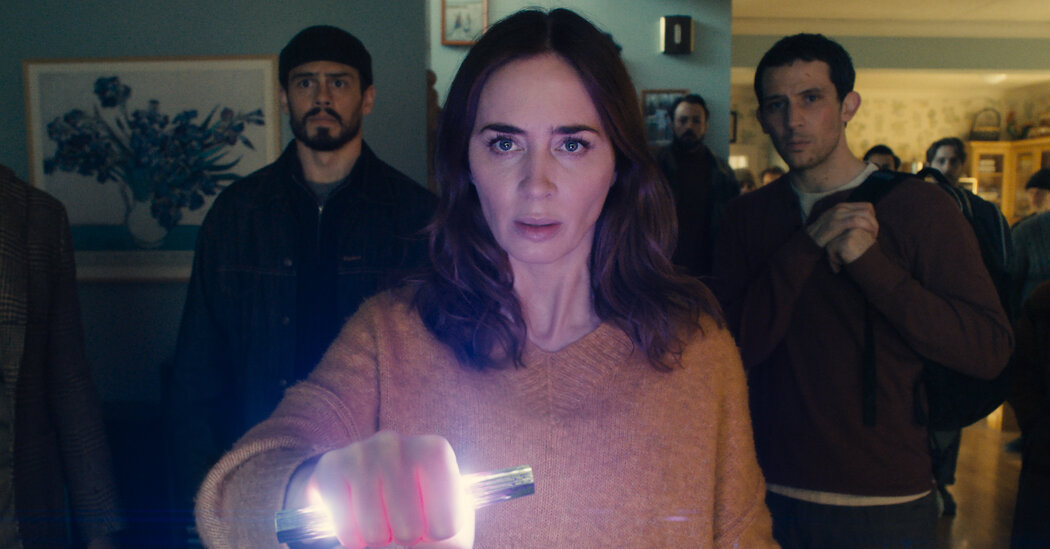
Emily Blunt plays a Kansas City TV anchor who begins experiencing the uncanny firsthand. She is extraordinary. She makes you believe something impossible is happening to a woman who cannot quite believe it herself. Josh O’Connor, Colman Domingo, and Colin Firth fill out a cast that Spielberg handles with the confidence of a director who has forgotten more about performance than most have learned. The script, from longtime collaborator David Koepp, builds its conspiracy with patience and real menace.
The set pieces earn their keep. A train sequence delivers the kind of tactile, old-school tension that digital filmmaking has spent twenty years trying to replicate and mostly failing. John Williams scores it all. Whatever you expect from that combination, double it. Some things age into cliché. This does not.
And yet the aliens here walk upright and carry meaning. They suggest, as Spielberg’s visitors always have, that contact is really about reflection. These are not the grinding machines of “War of the Worlds.” They are inheritors of Roy Neary’s awe and Elliott’s bicycle against the moon. Spielberg has said the creatures might represent humanity 500,000 years forward. That is an intellectually interesting idea. On screen it plays safe.
“Close Encounters of the Third Kind” earned that vision. “E.T.” broke your heart with it. Here it lands more softly than the material deserves.
The film carries a PG-13 rating and feels every bit of it. The edges stay rounded. The wonder arrives on schedule. A director pushing 80, making a film about hope and governmental deception, has every right to sand his corners. The government conspiracy thread runs through the whole picture, rich with current-events resonance, and it deserves a harder landing than it gets. The adult audience this material invites sometimes finds the door only halfway open.
His fascination with beings who look like us, feel like us, and ultimately want the best for us remains his most comfortable idea. It is also his least challenging one. “Close Encounters” and “E.T.” justified that warmth because they left something unresolved. Something strange lived at the edges. You carried it home with you. “Disclosure Day” ties its bow a little too neatly. You leave the theater satisfied rather than haunted.
None of that undoes what works. Blunt commands every scene she enters. The craft is immaculate. Spielberg still knows where to put the camera, when to hold, and when to cut. Those instincts do not age. He has made a lot of movies. He still knows things most directors will never learn. This is the best film he has made in years, and in a career like his, that still means something considerable.
The truth, it turns out, belongs to eight billion people. Some of them wanted it just a little darker.