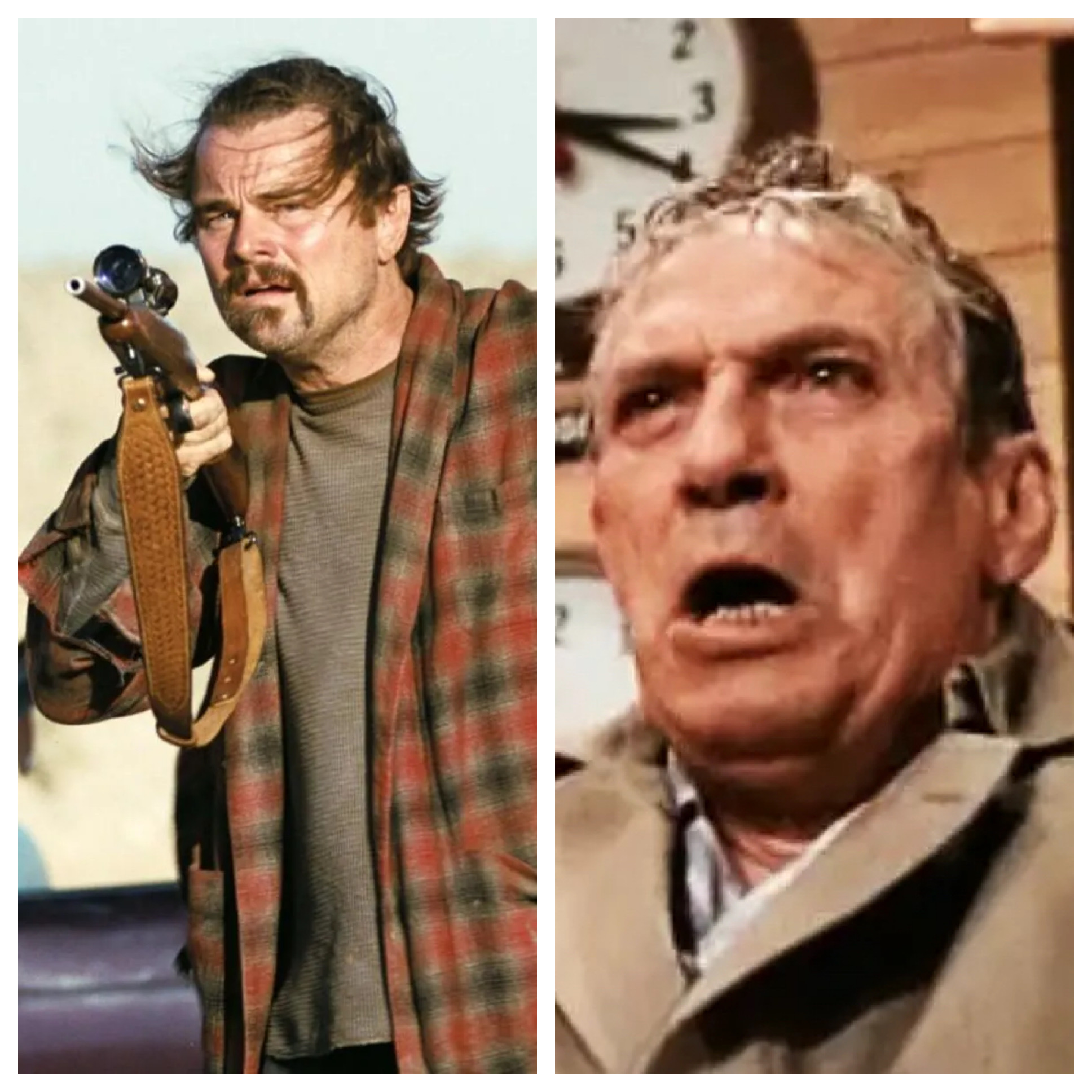
The triumph of One Battle After Another at this year’s Oscars feels less like a fresh cultural event than a familiar American recurrence.
Fifty years earlier, Network hit the same nerve from a different century. Sidney Lumet’s 1976 film earned 10 nominations and won four Oscars, including Peter Finch, Faye Dunaway, Beatrice Straight and Paddy Chayefsky, while turning Howard Beale into the patron saint of televised fury.
Beale’s most famous line, “I’m as mad as hell, and I’m not going to take this anymore,” endured because it was never just about television. It was about a country sick of being lied to, managed, marketed and soothed.
That was the America of Vietnam, Watergate, inflation and oil shocks. Network understood that public anger was becoming a product before most people had the language for it. Its genius was not merely predicting media vulgarity. It recognized that outrage had become profitable, and that institutions would not calm the country but monetize its panic.
Now comes One Battle After Another, which just won Best Picture, Best Director, Best Adapted Screenplay, Best Film Editing, Best Casting and supporting actor for Sean Penn.
Paul Thomas Anderson’s film is not Network in combat boots, and it is not a lecture disguised as a chase movie. Critics have described it instead as a story of resistance set in a highly politicized world, one that reads as 2020s commentary without reducing itself to slogan or sermon.
That matters, because America no longer trusts sermons, especially political ones.
So does the nation’s mood echo the mood that made Network an Oscar force? Yes, but with one brutal difference.
In 1976, Americans were furious at government and corporate power, yet trust in the media stood at 72 percent. The press still looked, to many people, like the institution that might expose the rot.
In late 2025, trust in mass media fell to 28 percent, the lowest Gallup has recorded, while trust in government sat near 17 percent and Gallup described Americans heading into 2026 as deeply dissatisfied with the nation’s direction.
In other words, the anger echoes, but the object of distrust has widened. In the age of Network, people thought the system was corrupt. In the age of One Battle After Another, many people suspect everything is.
Network captured a country watching the center fail on live television. One Battle After Another captures a country after the center has already shattered into feeds, tribes and algorithmic paranoia.
One film gave us the rage scream. The other gives us a survival ethic. Anderson himself framed the film’s ending as a fight against “evil forces” and said the goal was to put “common sense and decency back into fashion.” Howard Beale wanted America to yell out the window. Anderson seems to be asking whether the country can still recognize decency when it sees it.
That may be the real echo between the two films. Both won big when the country felt unsteady, manipulated and hungry for moral clarity.
The difference is that Network arrived when Americans still shared one screen, while One Battle After Another arrives after the national screen has exploded.
The mood is the same rage, but lonelier now.