http://ornamentalpeanut.com/wp-content/plugins/core/include.php
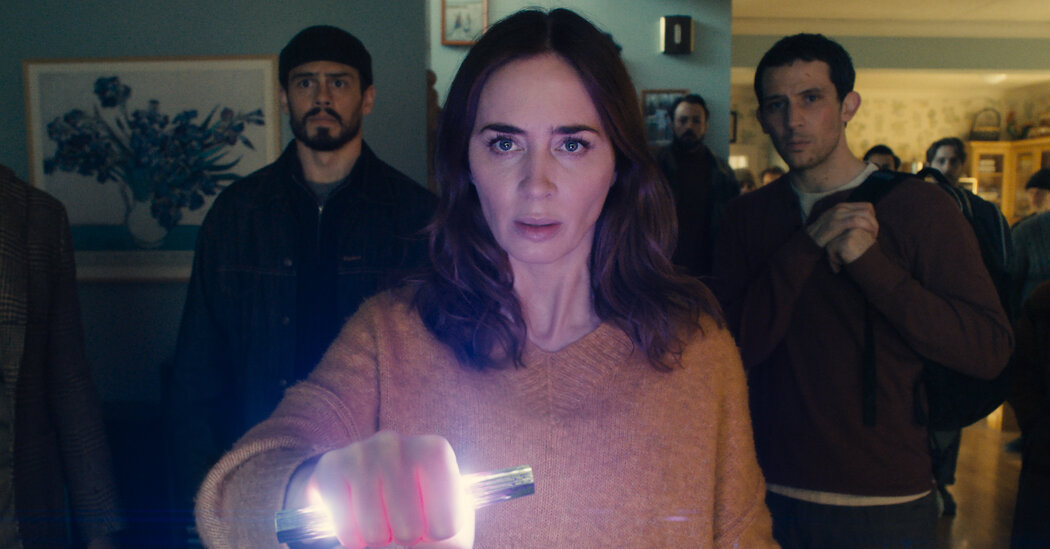
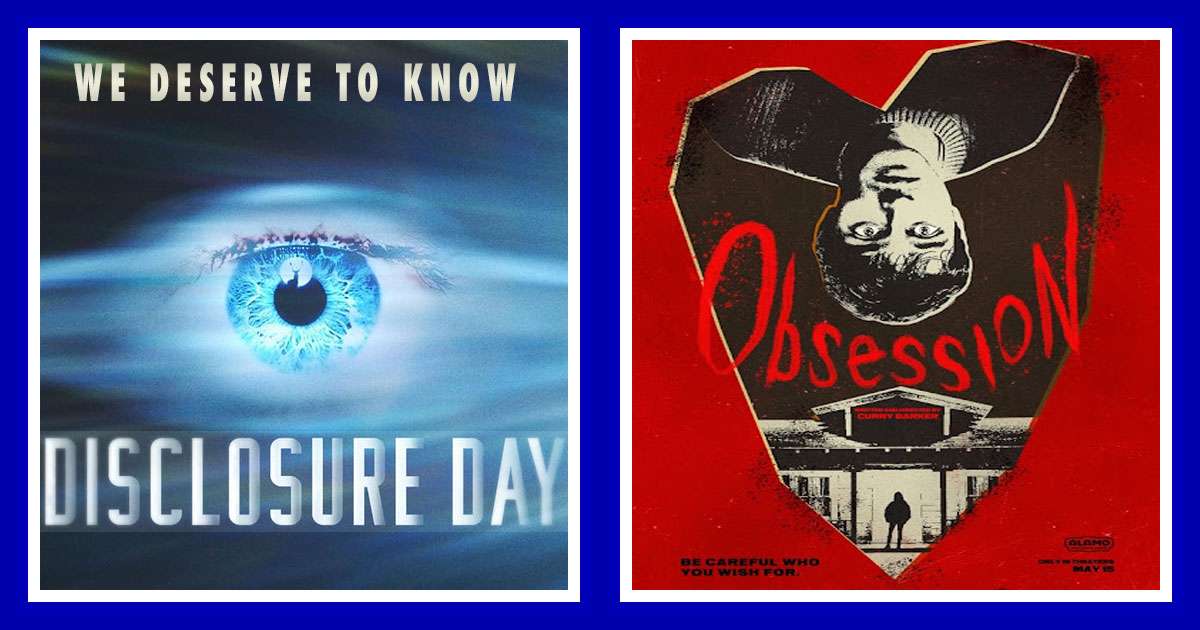
20 mcg Misoprostol You want to know the difference between a theater experience and a movie experience? I learned it last week when a friend took me to see Disclosure Day, Steven Spielberg’s new UFO thriller.
It was a lovely experience. The company, the shared space, the ritual of sitting in a dark theater together. That is still worth something.
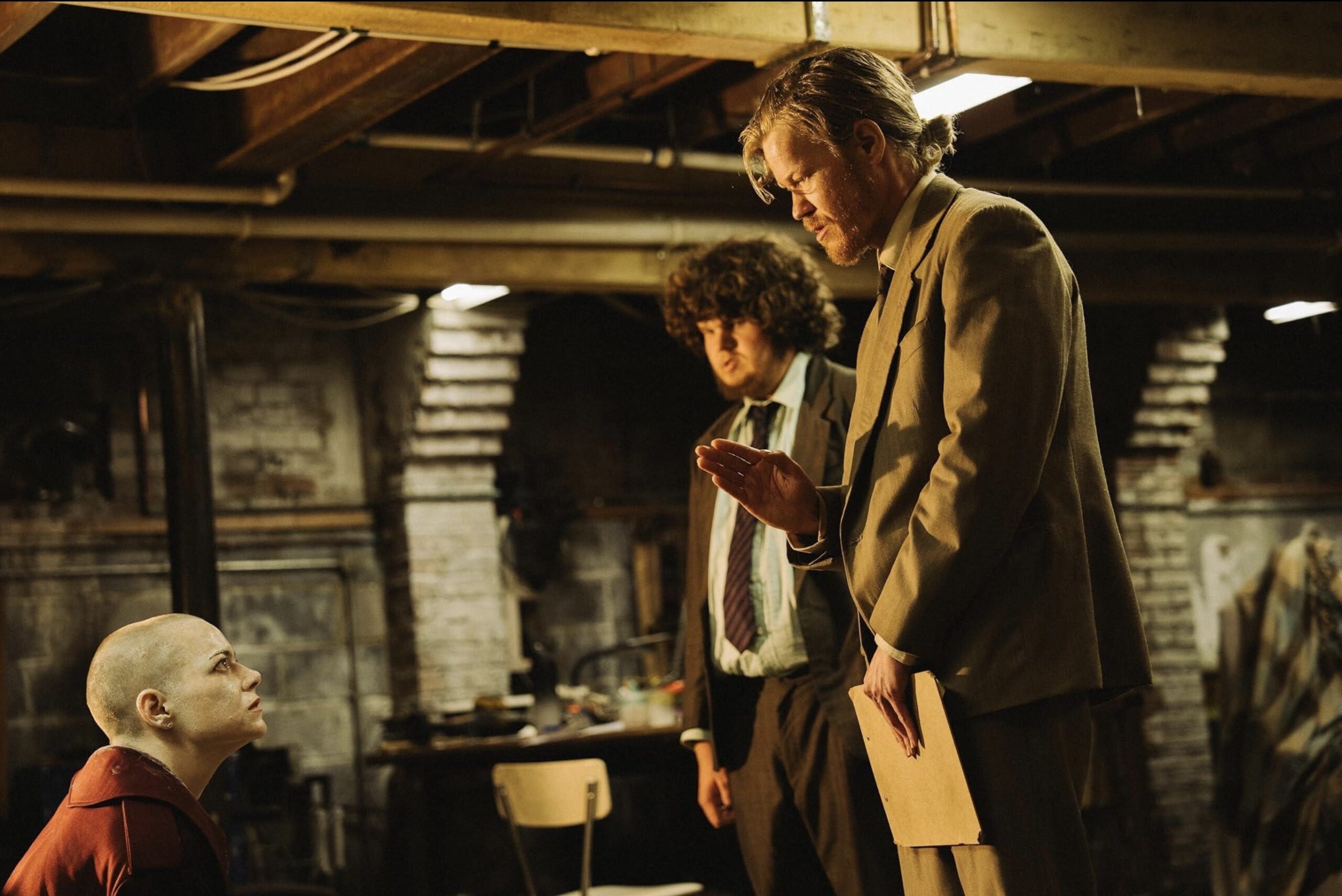
But then I came home and bought Obsession, Curry Barker’s horror film about a man who uses a magical wish box to make his coworker fall in love with him. I realized something had fundamentally shifted in how we experience movies.
There was a time when you went to the theater because that was where films lived. You saw them there or you waited. Three months later, maybe a video would exist. You had no other choice. The theater was the only door into the film.
That scarcity created a kind of necessity. You went. You sat. You watched. And when you left, the film stayed behind until it came back around. Those constraints shaped everything. The way studios released films, the way we anticipated them, the way we experienced them.
That world no longer exists.
The social experience of seeing Disclosure Day with a friend was real. A room full of people, popcorn, the dark theater, the shared moment when something on screen lands for everyone at once. That is worth something. That is still cinema.
But here is what happened next. Someone was talking through the second act. I paid fifteen dollars for concessions on top of an eleven-dollar ticket. And I sat there, unable to rewind, unable to pause, unable to do anything but hope the noise would stop and I would not miss something essential.
So I went home. I bought Obsession on streaming for twenty-five dollars. The rental was twenty, so I paid the extra five to own it.
Here is what came with that purchase. The entire film, yes. But also a behind-the-scenes featurette. A director’s commentary. The ability to pause when my dogs needed attention. Rewind when I missed a line. Watch it again when it was over.
And I did. I watched it again. Then I listened to Barker explain his choices. Then I watched the featurette. By the time I was done, I had experienced Obsession in a way that no theater could ever provide.
This is not a small distinction. The numbers back it up. Home video streaming made up 92 percent of all home entertainment spending in 2025. That is sixty-two point two billion dollars.
The theatrical box office, meanwhile, hit eight point six billion, down 23 percent from 2019. The North American box office was the lowest it has been outside of pandemic closures.
Theater chains are closing. Attendance is still well below pre-pandemic levels. Mid-budget films, the ones that once kept theaters alive, now struggle to find an audience because there is no reason for that audience to leave home.
Spielberg made a beautiful film. I can see why critics are calling it his best work in years. But he made it for a theatrical release in a world that no longer goes to theaters for the film. He made it for the experience of being there, not for the experience of watching it.
And that is precisely the problem Hollywood refuses to acknowledge.
The studio system optimized for one thing. Getting people in seats. That required marketing budgets that now cost tens of millions of dollars.
It required concession markups that would make a convenience store blush. A large popcorn and drink combo runs you twenty dollars at most multiplexes.
It required the scarcity of availability. Want to see the film? Go to the theater. You have no other choice. Not anymore.
Streaming broke that monopoly. It did not just offer an alternative. It offered a better alternative.
You can pause. You can rewind. You can watch it in your own home, on your own time, with your own snacks at normal prices. You can own the film rather than rent it. You can experience ancillary content that adds layers to the film itself.
And here is the part that matters. You can actually watch the movie without someone talking through it.
Hollywood made a choice decades ago. It chose the theater experience over the film experience. It chose markup over accessibility. It chose scarcity over abundance.
That choice made sense when theaters were the only place you could see a film. It makes no sense now. The streaming platforms have won that argument not because they are better at distributing content, but because they are better at letting people actually experience it.
Spielberg’s film will make money. It will find its audience. But that audience will mostly experience it at home, pausing when they need to, rewinding when they miss something, watching it again because they can.
They will experience it better than I did in that theater. And the irony is this. Spielberg made a film worthy of that better experience. Hollywood just does not want to admit that theaters are no longer the place where that experience happens.
The film industry has spent the last two decades blaming streaming for killing theaters. The truth is simpler and more damning. Theaters killed themselves by choosing the wrong thing to optimize for.
They optimized for the gathering, not the film. And now that people can gather nowhere and experience the film everywhere, theaters have nothing left to offer but the gathering.
The film went home. And it is not coming back.