A few years ago, the HB ran a story headlined “Why Kittens Suck.” I was reminded of this while flipping through some old articles, and decided the headline, while in jest, was too harsh. Kittens do not suck; in truth, my house would be full of ’em if I weren’t such a dog nut.
Bingöl But while flipping through the posts, I saw an ad for Avengers: Endgame. The scene featured The Hulk, the unfortunate doctor belted by gamma rays who was turned into a huge human with tiny patience. And I began to think: What would happen if our domesticated pets were doused with radioactive hocus pocus?
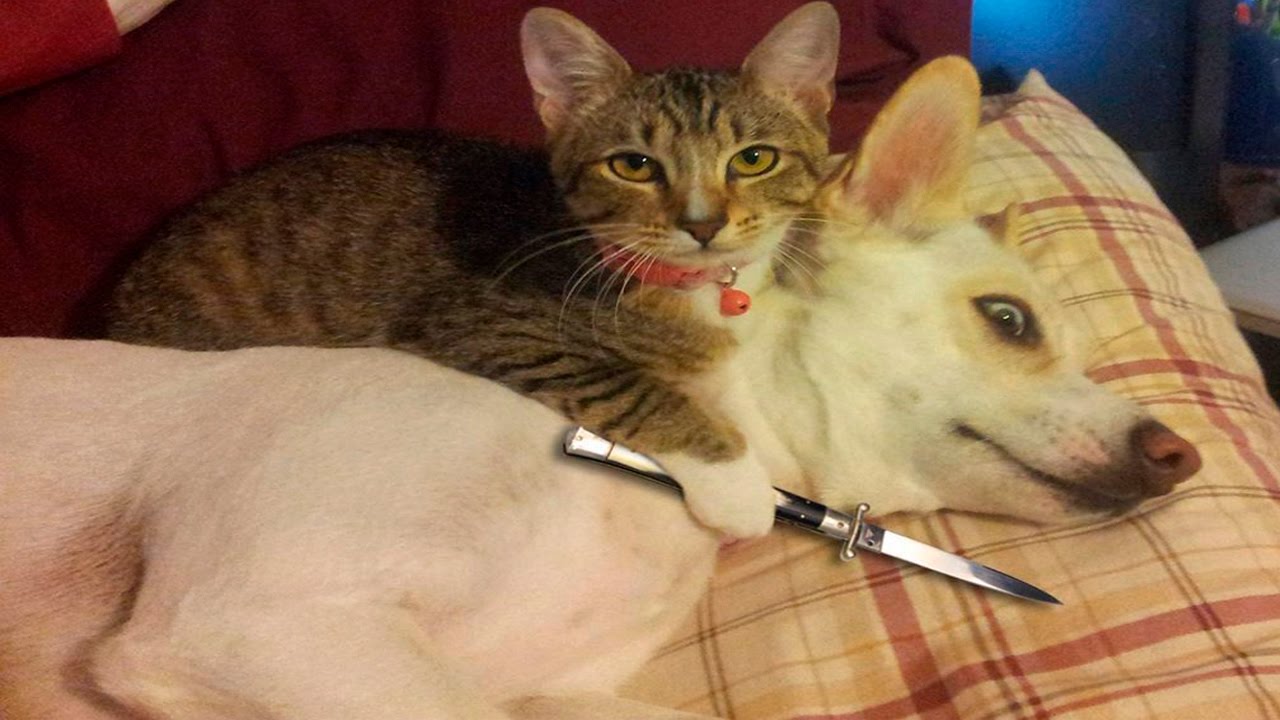
And here’s the bottom line: Humans would be dead. We’d drown beneath loving dog slobber and bleed to death as cats batted us about like yarn mice. Ok, maybe that’s still too harsh, but consider how entitled our feline friends are when they’re small:
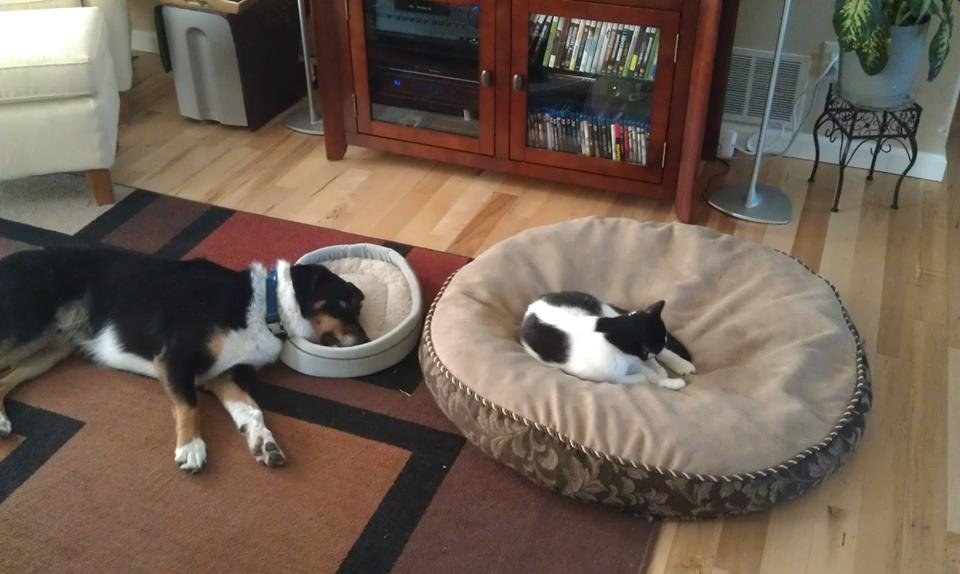
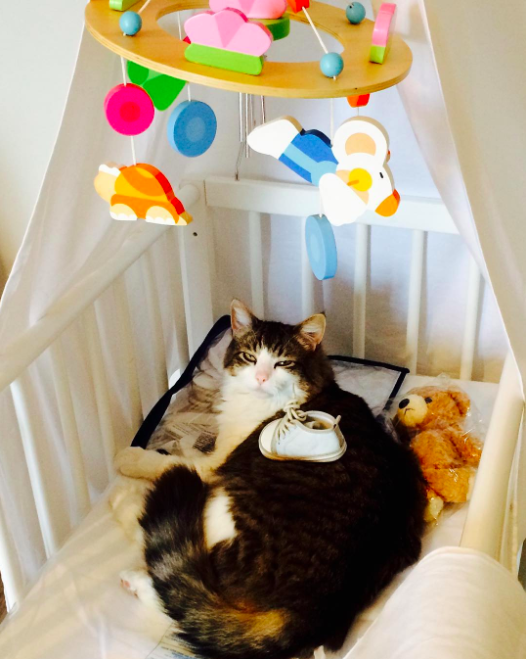
Cats decide which bed is their bed. It is known.
And if you think they’re going to fully appreciate that $1,000 cat tree you bought for them, think again…
Because nothing gives cats joy like a good cardboard box, let’s be honest.
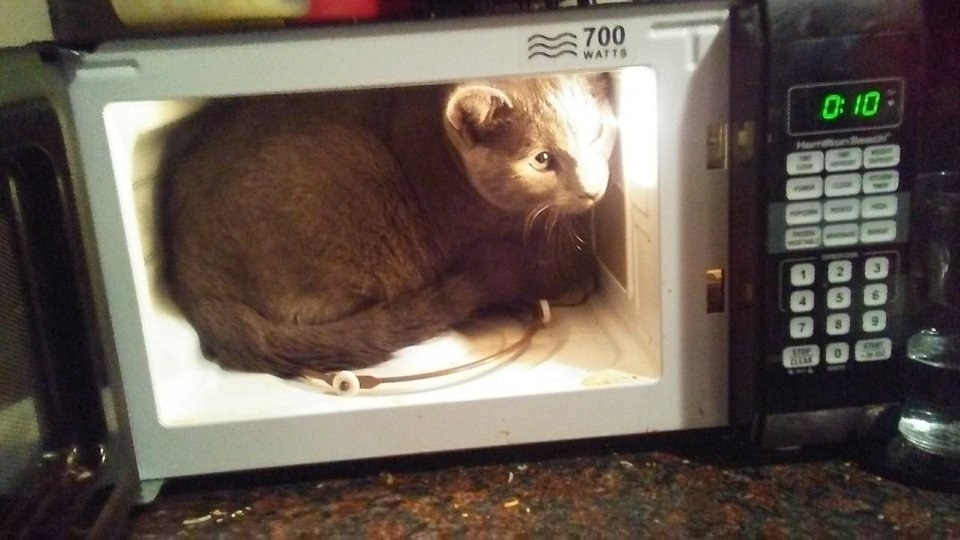
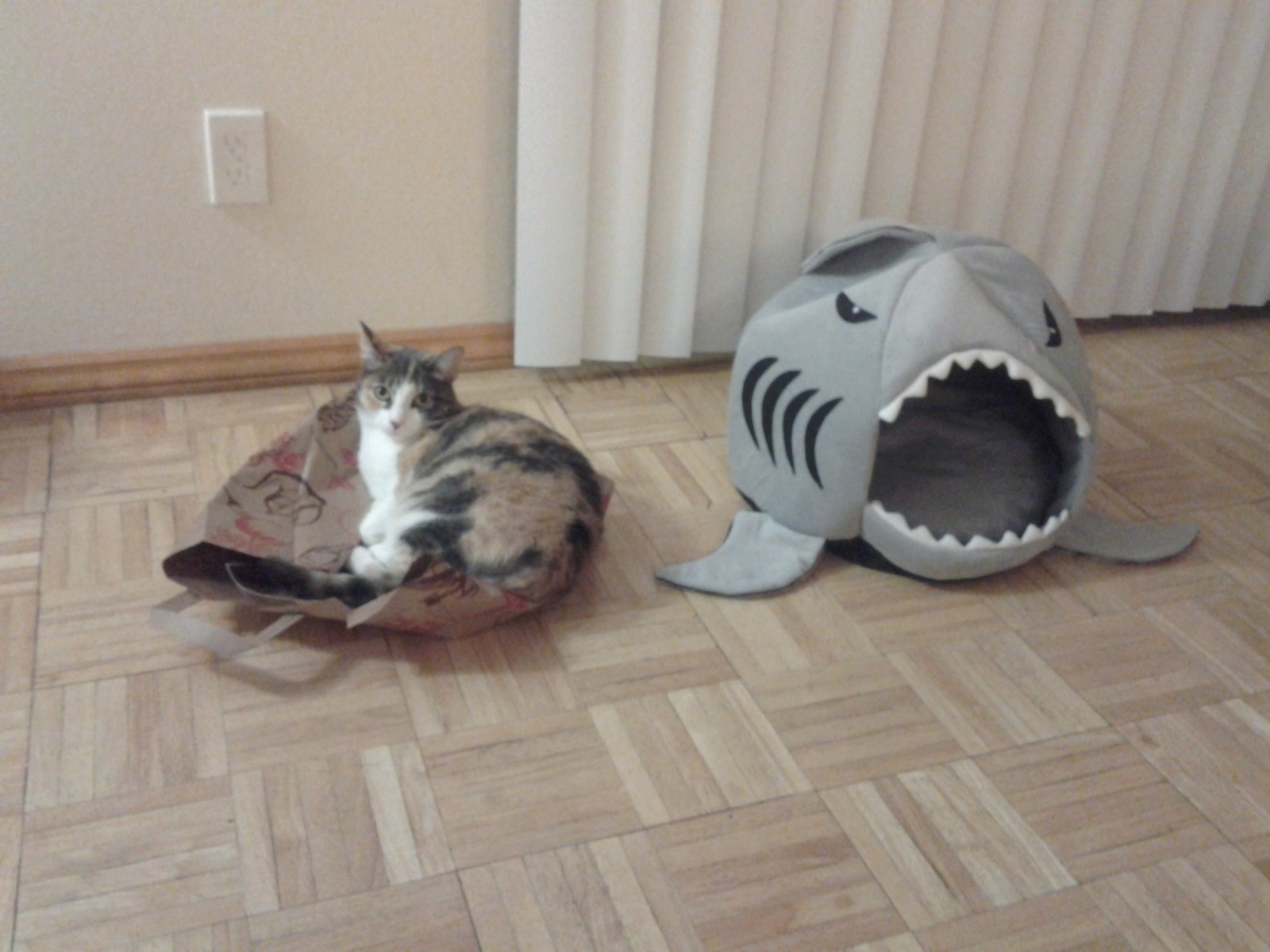
And in lieu of a box, they will sit in other box-like things — the more inconvenient to you, the better.
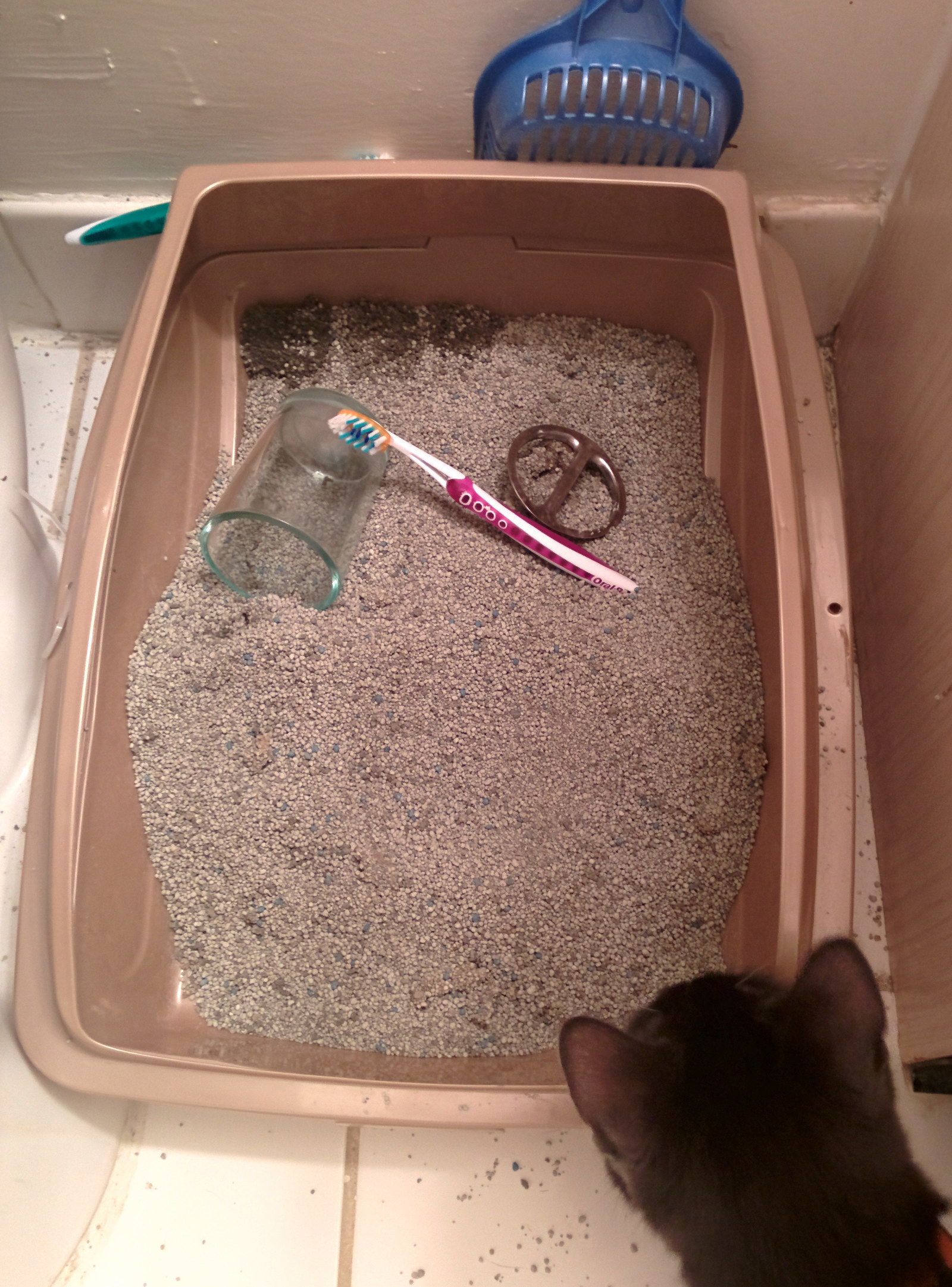
You don’t decide what goes in the litter box. Your cat does.
Despite your best intentions, cats will poop where they decide is best to poop.
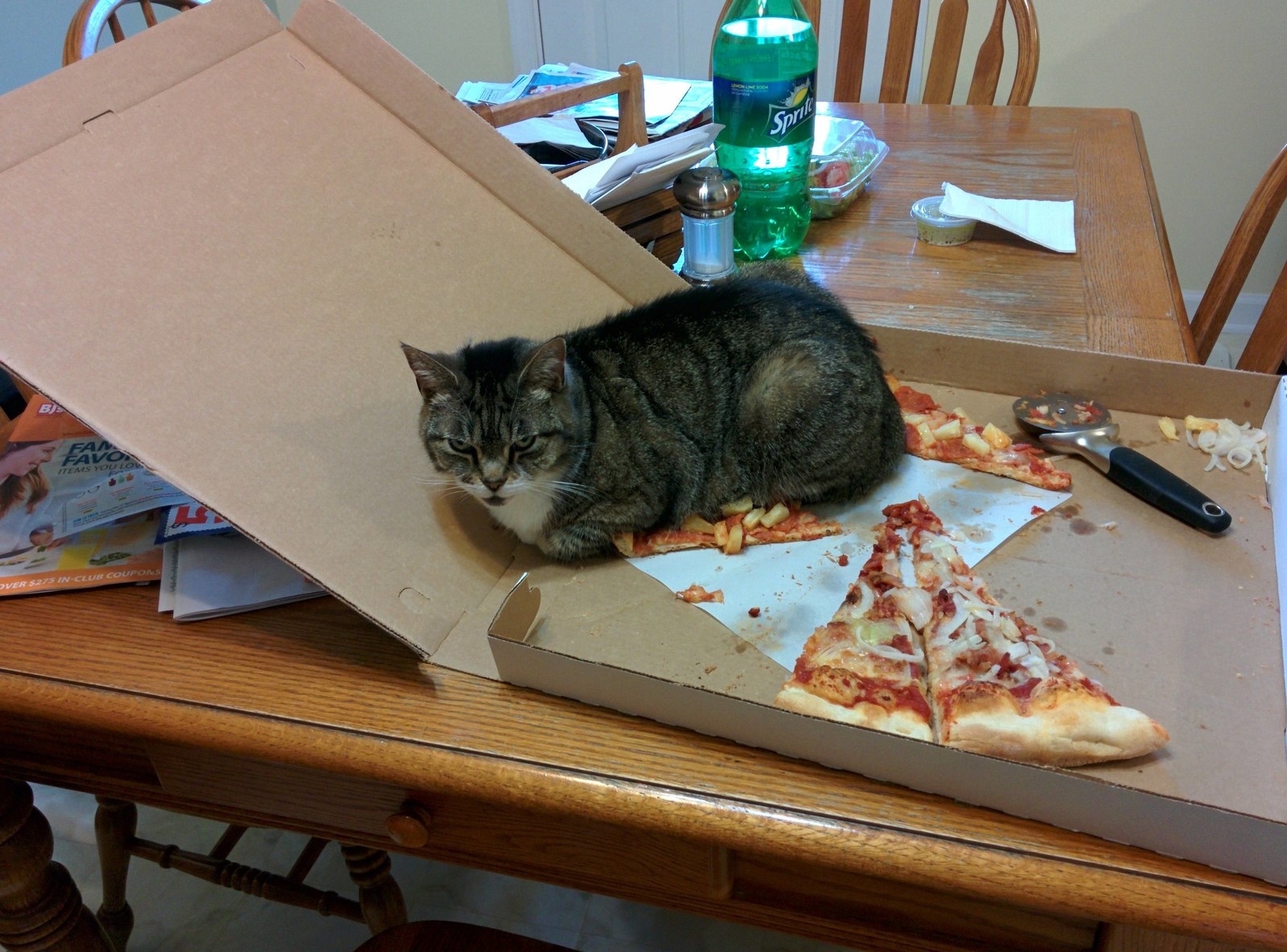
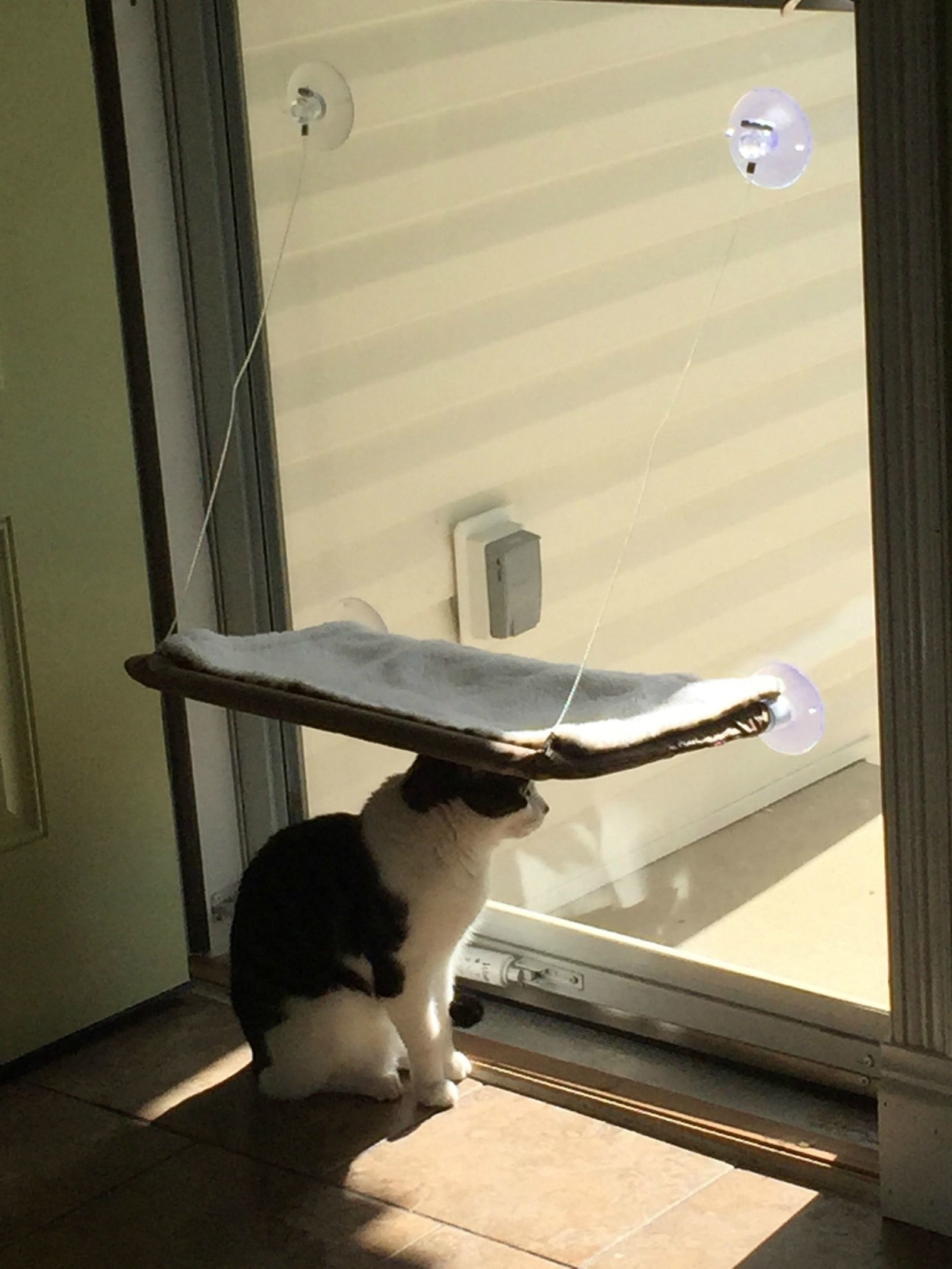
They shall sit where they deign to sit.
They don’t give a flying fart about wet paint…
Or Christmas spirit. Again: It is known.
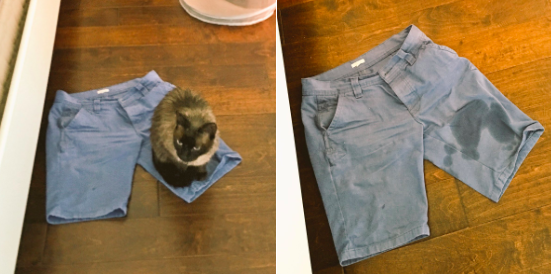
You don’t pick out what you’re wearing today. Your cat does.
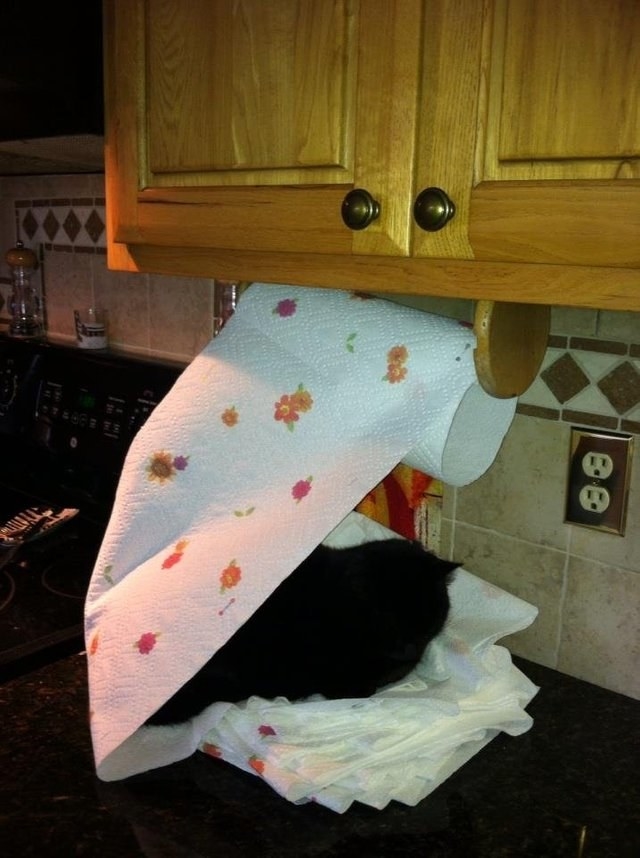
Paper towels? Only to be used at your cat’s discretion.
Enormously adorable cat bed? Not if Whiskers isn’t feeling it.
Admit it: Not only do cats live their lives exactly how they want to, but they also decide when you get to live **yours**.
‘Cause at the end of the day, there’s only room for one boss of the house…and you aren’t it, babe.
The risk of making “based on true events” films is that sometimes the real events are more interesting than the fictional ones — and make for more entertaining moviegoing.
Take Man on Wire, an Oscar-winning documentary about a tight rope walker who crossed New York’s Twin Towers on a cable. The film was naturally followed by a big-budget feature starring Joseph Gordon Levitt. Alas, Levitt and co-stars could not match the mischievous humor of real-life walker Phillippe Petit and his cast of harmless hooligans, and the feature film plummeted to a flop that made only $10 million.
Netflix’s new film, Extremely Wicked, Shockingly Evil and Vile, isn’t an equal disaster, but it comes up similarly short on the heels of the terrific Netflix documentary Conversation with a Killer: The Ted Bundy Tapes. A serviceable-if-unspectacular thriller, Vile captures neither the horror of Bundy’s reign of terror, nor the charm Bundy used to lure victims, which numbered in the dozens.
It’s a strange shortcoming, given that both Bundy films shared the same director, Joe Berlinger (Paradise Lost, Brother’s Keeper). Documentary filmmaking is clearly his forte, and Vile ultimately feels detached enough from its characters to be a non-fiction flick, though there are some nice personal touches from the big-name cast, namely Zac Effron as the killer.
Still, Vile requires that you already know the story of America’s most notorious serial killer, because the movie does little to educate the viewer, let alone bring you into Bundy’s mind. Even the title is a bit misleading: Bundy may have been vile and wicked, but the movie is a largely bloodless examination of his cross-country killing spree, which left at least 30 women dead.
If anything, Vile glosses over the murders so briskly that it’s not until the final minutes of the nearly two-hour film that the savagery of Bundy’s acts become evident. And even then, you’re left with the sense you just watched an apt, if detached, Lifetime movie about a man’s hidden, murderous demons.
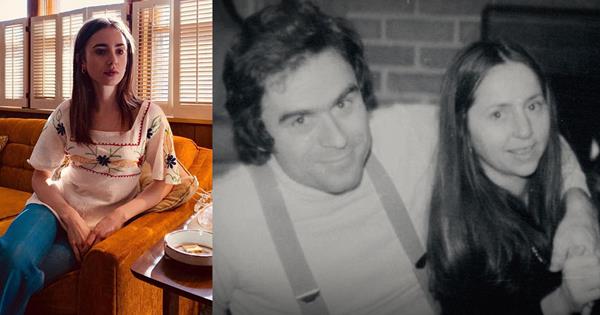
Instead, Vile concentrates on Liz Kendall (Lily Collins), Bundy’s ex-girlfriend and single mom who struggles to reconcile the man she knows with the headlines she’s reading. It’s a compelling portrait of falling in love with a monster, but Vile does a lackluster job of portraying just what a monster Bundy was. Despite Bundy strangling and raping his victims (and beheading at least one), Vile jettisons most of the violence for the headlines that followed.
If you don’t already know Bundy’s story, Berlinger’s carefully paced drama won’t spell it out for you; Bundy’s true nature stays largely below the surface. The deliberate pace of the narrative partly mirrors Liz’s own path from faith in her fiancé to creeping doubt. And Collins walks that line gracefully despite not being given much to work with, considering the movie is based on Kendall’s own memoir.
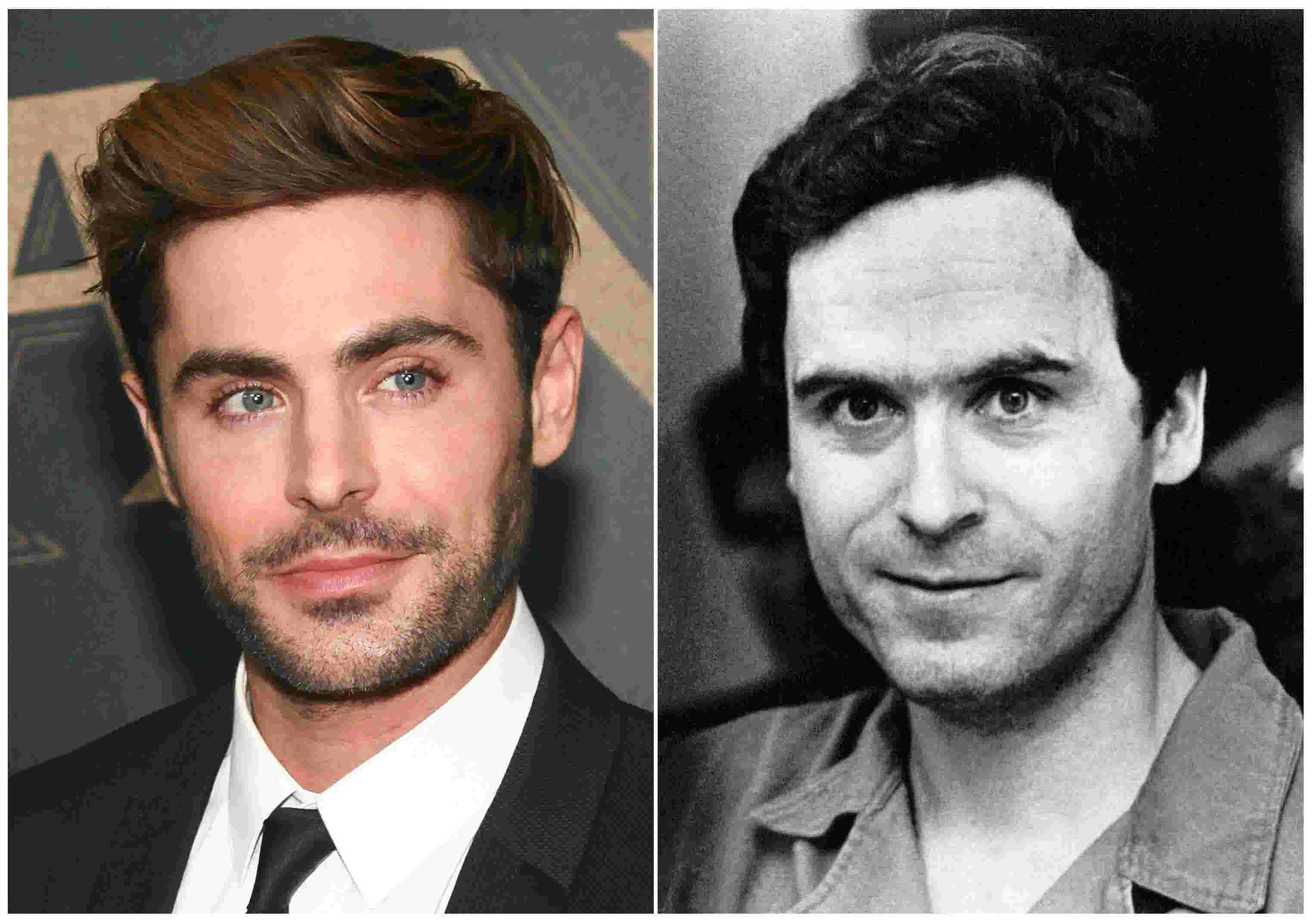
But it’s Efron’s movie. Alternately charming, belligerent, and incalculably shrewd, he captures both the shark-like charisma of Bundy and the deeply damaged man beneath. Problem is, news clips — some from Beringer’s previous documentary — suggest Bundy was more charming, more media savvy, even more handsome than the man playing him.
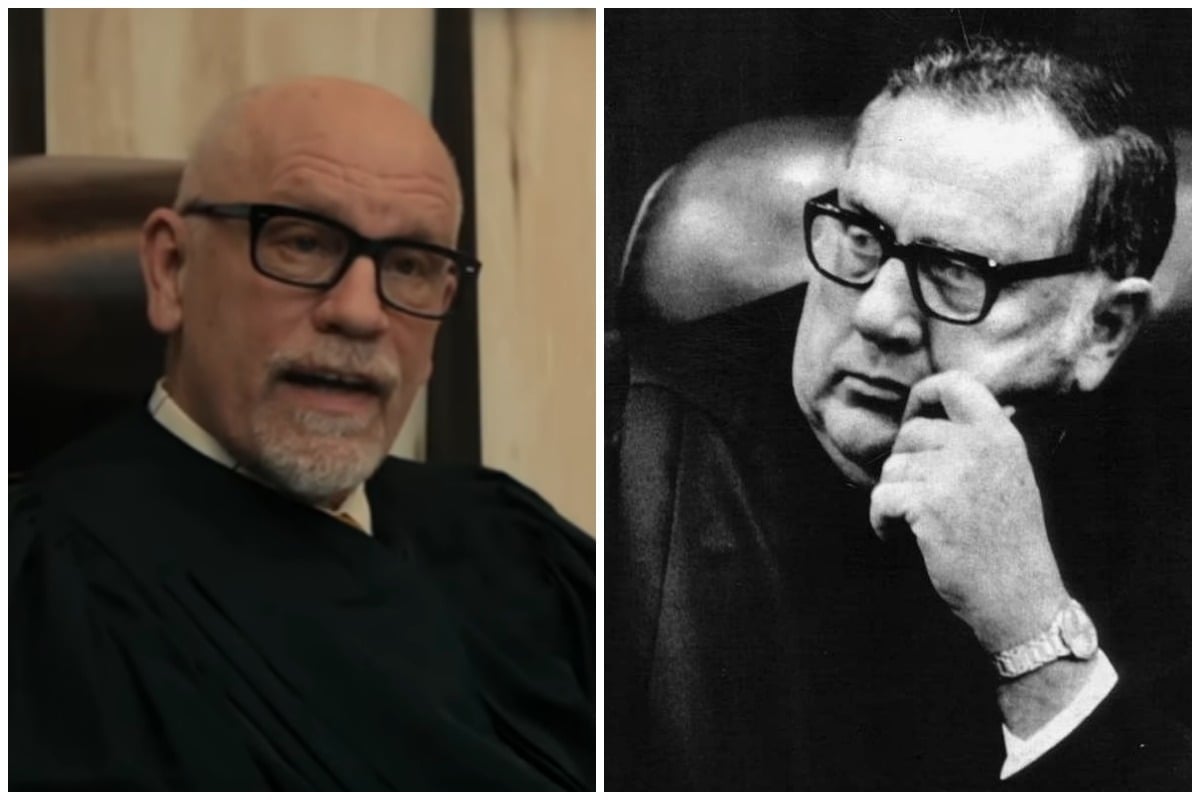
Vile‘s real strength is in its examination of a sociopath. Effron’s Bundy is a smooth talker whose lies are so effortless and convincing you think Bundy may believe them himself. And his rapport with Tallahassee judge Edward Cowart (John Malkovich), who finally renders judgement, is not only engaging, but nearly word-for-word accurate in its re-enactment of the nation’s first televised trial.
“You are skating on thin ice,” he tells Bundy at one point, “and ice does not last long in Florida.” He’s right, of course. But Vile leaves you wondering what made it crack.
Let’s face it: America has a zombie problem. They’ve invaded our TV shows, our films, our commercials, our toy shelves, our seasonal pop-up Halloween stores, not to mention the takeover of comic-book shelves and bookstores. According to BoxOfficeMojo.com, there have been 70 zombie movies since 1980 — 23 of them since 2012.
So Black Summer, the latest horror series from Netflix, comes as something of a relief. Sure, it’s yet another homage to the flesh-eating undead. But at least it’s a fresh take on rotting corpses.
Created by John Hyams and Karl Schaefer, co-creators of Syfy’s Z Nation, Summer is supposedly a prequel to that eccentric zombie series, which was intended as a counter-punch to The Walking Dead, though Nation was canceled recently after five seasons. In truth, Netflix calls it a prequel likely to draw in the cultish fans of Nation, because the two shows share little zombie DNA. Summer is set at the onset of the apocalypse; Nation took place three years into the apocalypse. Summer takes itself (perhaps too) seriously and feasts on tension; Nation featured a zombie stripper whose arm fell off mid-dance.
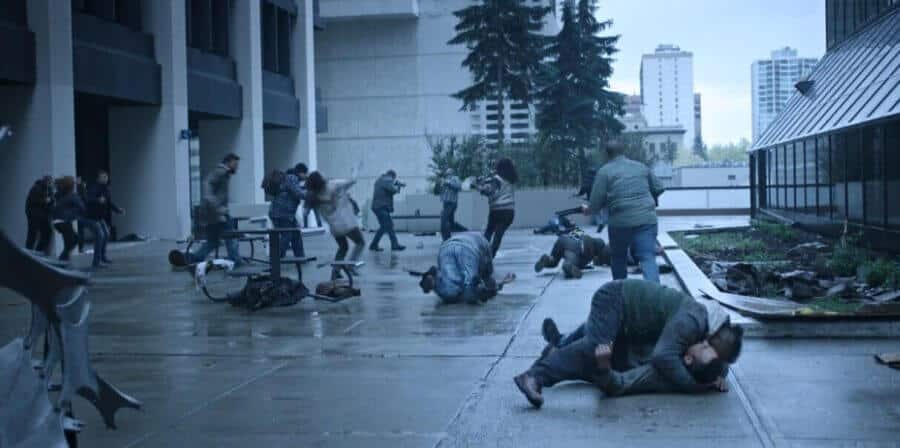
Set a few months after an initial outbreak wipes out Denver, Summer thrives in the chaos of a nation that knows it is being overrun and unprepared to stop the takeover. It’s absolute mayhem when we drop into the premiere. Handheld camera operators follow survivors with long uncut shots as they creep through tunnels, break into abandoned houses and sprint down deserted streets (easily the most terrifying element of the show). If The Walking Dead is a cinematic look at the potential end of mankind, Summer is a flat-out sprint from that possibility; much of the show looks as if it were shot with GoPro cameras atop running actors.
And Summer has to capture that frenetic pacing, because character development is essentially non-existent. Instead, the story line — what little there is of one— revolves around getting from Point A (a suburb that’s been evacuated) to Point B (a sports stadium where survivors are being airlifted to safer parts of the country), and the depth of the characters goes as far as them not wanting to be eaten.
Though largely a B-list cast, Jaime King is the biggest name in the credits as Rose, a mother looking for her daughter after they get separated in the evacuation. Co-stars come and go as they get their own story threads, run away or become Lunchables.
But that is the show’s unspoken strength. Black Summer is about thrills and thrills only. No maniacal Walking Dead human villains, no abstract debates about humanity’s role the apocalypse, no absurd rules to avoid becoming a living appetizer. Summer runs solely on adrenaline and instinct; there’s no time to debate morality because survivors are dropped from one creepy situation to the next.
The downside of this is repetition, and it’s hard to see Summer aspiring to be anything beyond zombie chases and run-ins with scumbag survivors taking advantage of the chaos. One episode consists almost entirely of a foot chase with brain-eaters that has about a half-dozen words of dialogue. Deep? No. Effective? Quite.
What Summer lacks in depth it almost makes up for in structural simplicity. Each episode is presented as a series of smaller chapters, with simple title cards laid over a black screen. As we follow characters, they are constantly crossing paths with each other, so we’ll see several scenes from different perspectives as we follow the different survivors.
Episode lengths range from your standard 45-ish minutes to a mere 20 minutes — the finale, which is a descent into chaos as the city is overrun. The lack of format works here, as it nicely underscores a lack of structure in an overturned world. Government forces are impotent; survivors accidentally shoot each other; some humans are as venomous as the undead. Summer forgoes exposition for breathless escapes.
Most effective are the zombies themselves. For one, they’re fast: think 28 Days Later or World War Z over the stumbling mumblers of, say, Night of the Living Dead. And zombies don’t die with a simple head trauma. Here, creatures usually need a fusillade of automatic gunfire to be brought down.
In a sense, Summer is The Walking Dead without the bloated melodrama and pretentious blabbering (and, unfortunately, big-budget makeup and special effects). Summer is less a TV show than a sensory experience. It’s not going to redefine the zombie movie, but Summer manages to breathe some life into a genre at risk of dying out from overexposure.