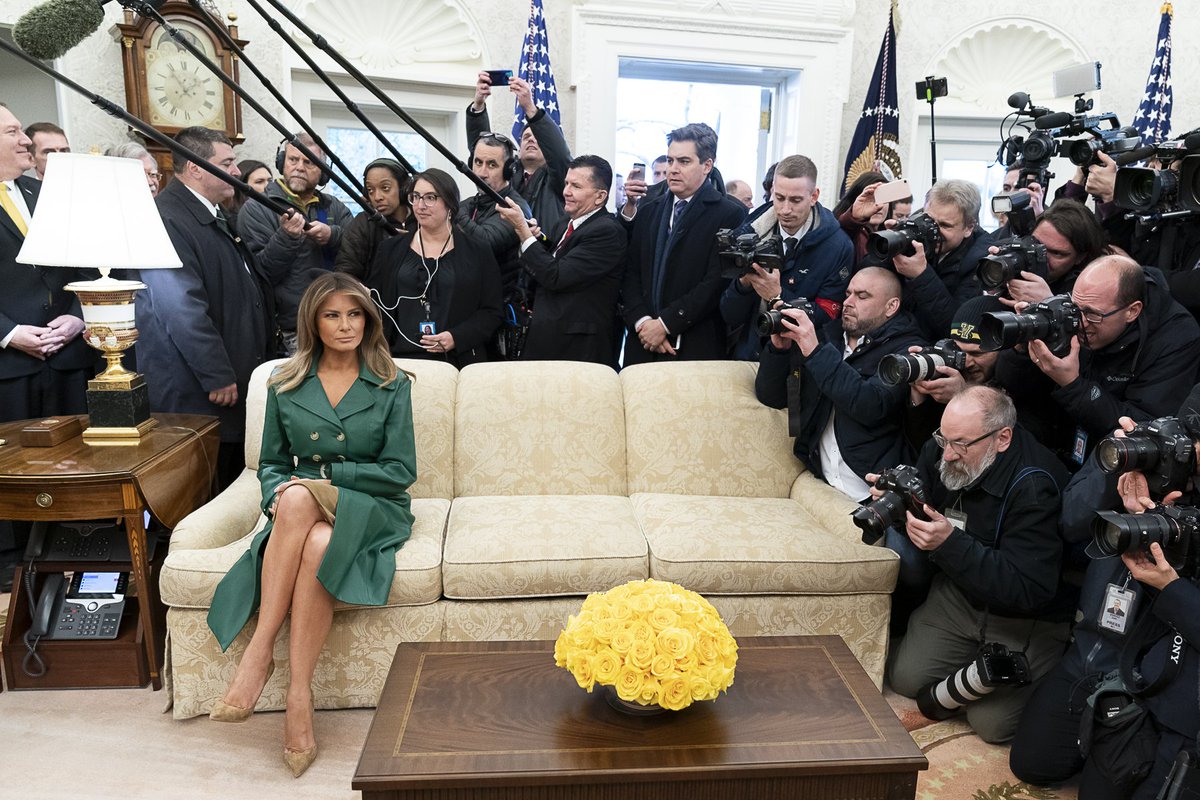
But first, congratulations, Melanie (Donnie copy edited this)! You turned 49 yesterday. Hope it was everything a woman dreams on the edge of a half century. I hear President Globular is even going to take his socks off during your birthday sex.
Now the questions:
Who the hell runs the White House Twitter feed? Apparently, Donnie was hosting some dignitaries Friday in another room when the shot was taken, but THIS is the pic you chose to officially wish Melania a Happy Birthday? You couldn’t find one of her on the crapper?
And what is she doing there, anyway? It’s your birthday, and hubby talked you into celebrating on a couch with paparazzi?
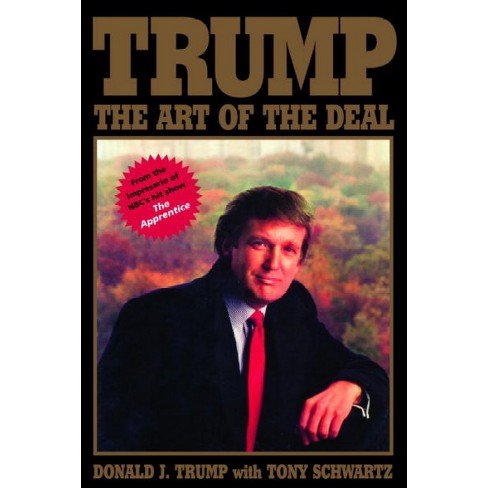
Finally, what did prez get her? My guess is an unsigned paperback copy of The Art of the Deal.
Now for something less distasteful: FactSlaps.
The average U.S. gamer is 35 years old.
China invests more each year in renewable power than any other country on earth.
Iceland and Finland have the lowest infant mortality rate in the world.
Macaulay Culkin was the first child actor to earn $1 million for a movie.
Ta’u island in American Samoa runs on 100% solar energy.
Of the 56 million abortions that take place worldwide every year, 45% are not considered safe by WHO standards.
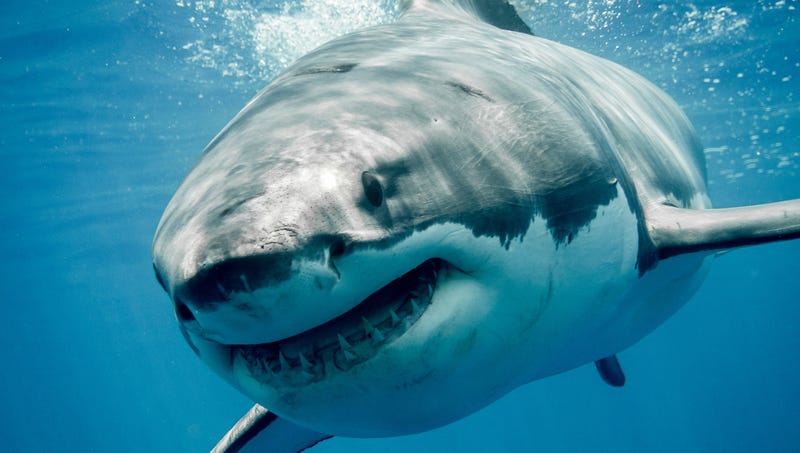
Sharks are older than trees.
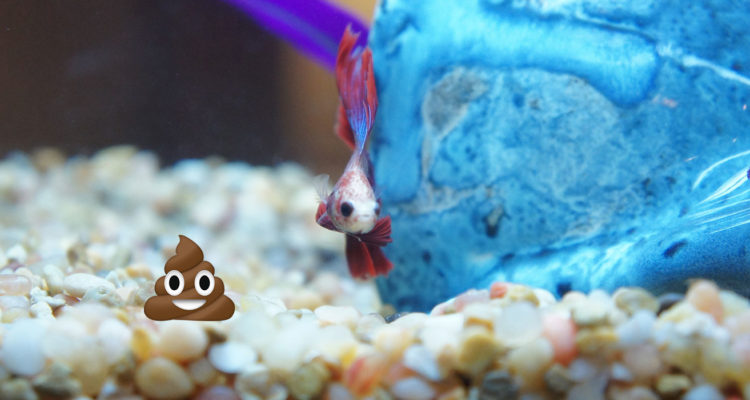
Older fish live longer if fed the feces of younger fish.
Living in LA, I know this is heresy, but fuck it. Heretics are some of my favorite sinners. And this is my heretical confession: Celtic blood runs through my veins.
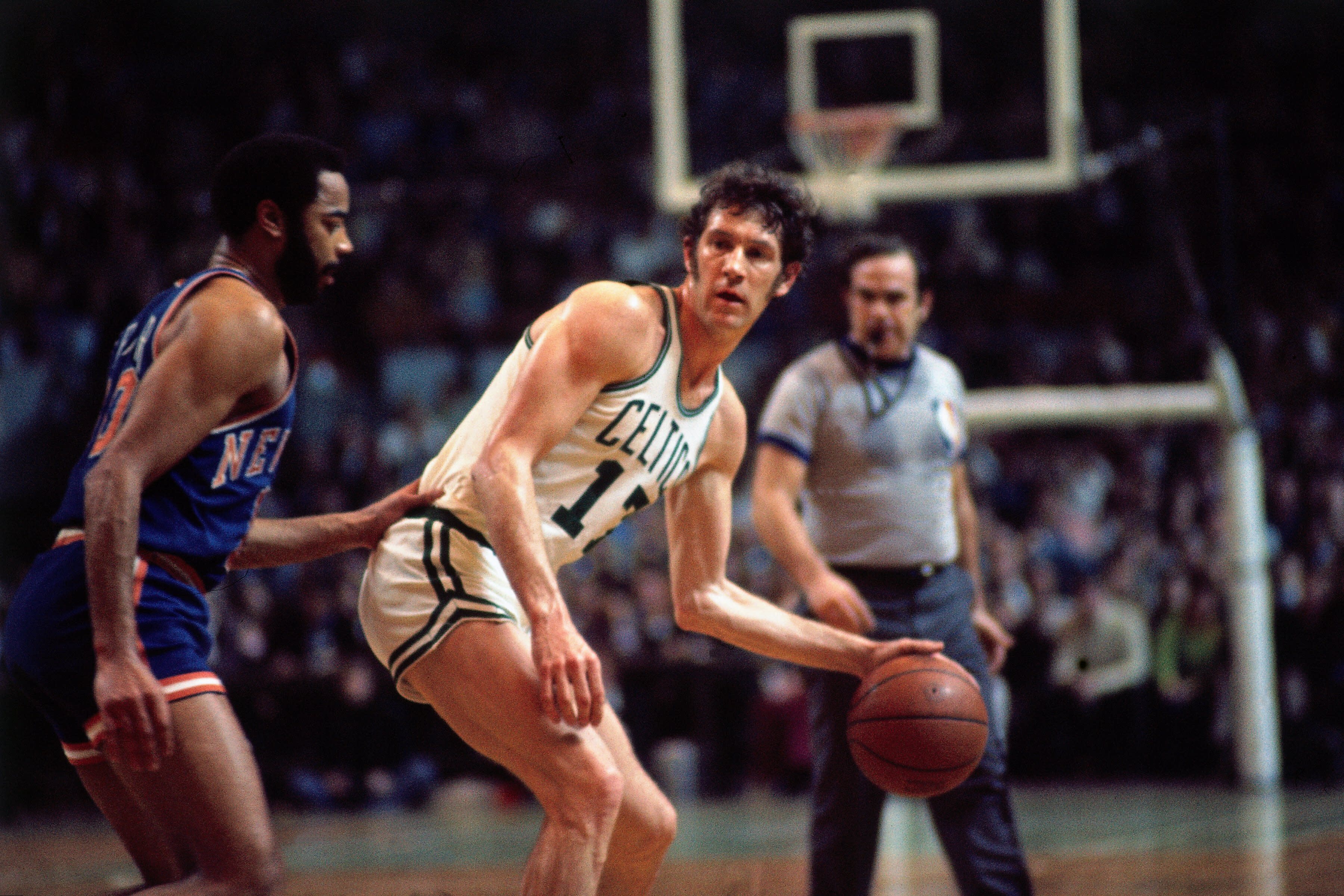
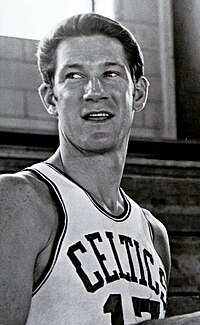
And my blood ran a little cold yesterday; John Havlicek died.
I never saw Havlicek play a game in his life. But, in many ways, Havlicek, nicknamed “Hondo,” bonded me with my father. He would tell me stories of the Celtics in the 50’s, 60’s and 70’s, when they were perhaps the most successful professional sports team in history, regardless of sport. Bill Russell, Bob Cousy, Jo Jo White, Dave Cowens and John Havlicek made up their core, and dad would spend hours telling me stories of their unselfish heroism. And the Celts had the record to prove it: They won eight straight world championships from 1959 to 1966, and 12 out of 18 through 1976.
As I got older, my fandom intensified. Larry Bird became my Havlicek. Though we lived in Detroit, we had a hifi system the size of a Buick. On clear night, we could hear Boston games as relayed by WBZ commentator Johnny Most, a guy whose voice sounded like he gargled with vinegar and gravel. Many a night, bedtime required I turn in before the game ended. Every morning, dad would leave an index card on the kitchen table for me, with the game’s outcome and players’ stats. I may even have become a journalist to bond with dad, but that’s another story.
My favorite of dad’s stories centered on Hondo and the pick-and-roll. A pick-and-roll is when a defender is covering you too closely to get a shot off. So Havlicek would dribble as fast as he could past a big teammate, usually Russell or Cowens, who acted as a human barricade for Hondo. Havlicek would pass a teammate so closely their shoulders would brush, sending the inattentive defender careening into the monstrous men — and the floor. Today’s players use the move to clear a path for a flashy, ESPN-friendly dunk. Hondo, though, would simply leap for an unimpeded jump shot. “You’ve never seen someone pick-and-roll like Havlicek,” dad would say. “It was a thing of beauty.”
And devastation. Hondo would collect more hardware over his career than a carpenter: eight championship rings, 13 All-Star Games, inducted into the NBA’s 50 greatest ball players of all time. Oh, and he was drafted by the NFL’s Cleveland Browns, too, but took a less concussive path.
And he didn’t even start most games. Coach Red Auerbach would use Havlicek as a reserve as a sort of psychological torture: Can you imagine busting your ass chasing the starting Celtics for 10 minutes — only to see Havlicek take the court, fresh as a daisy? Russell, who owns 11 championship rings, calls him the most versatile player he’s ever seen. Four years after he retired, the NBA created the Sixth Man Award, to recognize great role players off the bench. Though the NBA won’t admit it, I’m convinced the award exists because of Havlicek.
Alas, he could not pick-and-roll Parkinson’s, which claimed him at 79 last night.
In honor of the man, I suggest two tributes. One, that the NBA officially change the name of the 6th Man Award to the John Havlicek Award. Shit, the award can even be informally shortened to winning a Hondo. Think of what that would mean to a bench player, to share such company.
The second is personal. I’ve never been a sports memorabilia person. When I worked the cop beat, an FBI agent told me at least 85% of autographs are forged. But if I ever happen into a shop and find Hondo’s playing card, or authentically-signed jersey, or come across a ball with his verifiable signature, I’m gonna do something different at the cash register.
I have a rule in writing a film criticism: The entire plot must be reducible to a single sentence. If it takes longer, either you or the filmmaker is slow getting to the point.
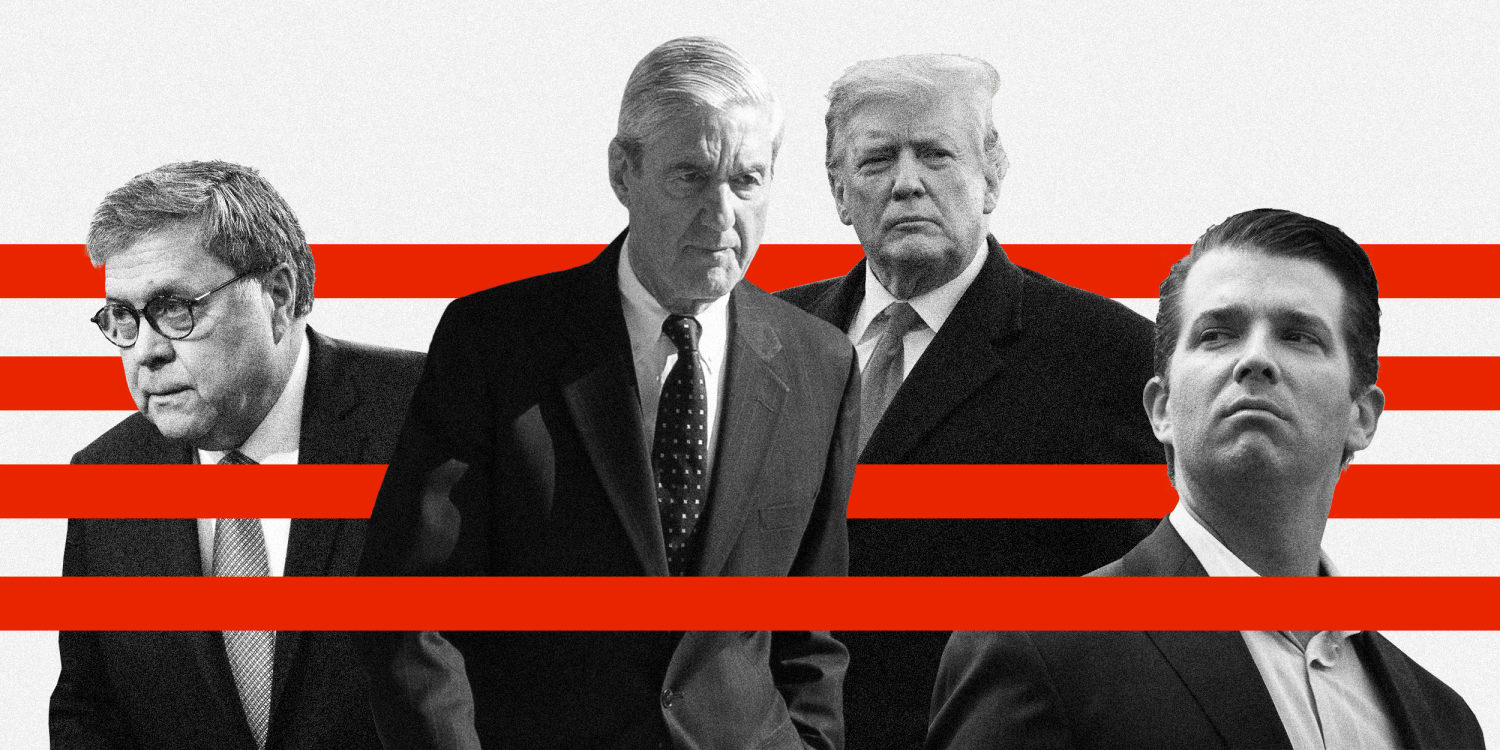
I’d advise the same stratagem to the 24/7s and the politicians who love to appear on them. There are, at best, seven interesting points in the Mueller report that weren’t redacted. Both can be explained in two simple paragraphs. Forget where the report stands politically — people made that choice (unencumbered by facts) long ago. But no one has challenged the following findings, so let’s wrap this up and move on to bigger, more pressing issues. We’re flush with ’em.
‘The end of my presidency’
Citing written notes from then-Attorney General Jeff Sessions’ chief of staff Jody Hunt, the report said that Trump “slumped back in his chair,” after Sessions informed him of Mueller’s appointment.
“Oh my God. This is terrible. This is the end of my Presidency. I’m f—–,” Trump said, according to Hunt. “How could you let this happen, Jeff?” he asked, telling the attorney general he had let him down and that he was supposed to protect him. “This is the worst thing that ever happened to me,” Trump said.
McGahn says Trump asked him to ‘do crazy s—‘
Former White House Counsel Don McGahn told investigators that Trump called him on two occasions to tell then-Deputy Attorney General Rod Rosenstein that Mueller had “conflicts” and needed to be removed as special counsel.
McGahn said that he agreed to do it to get off the phone, but that he planned to resign rather than carry out the order. He told former White House Chief of Staff Reince Priebus and adviser Steve Bannon that he planned to quit. Priebus told investigators McGahn didn’t get into specifics, but that Trump had asked him to “do crazy s—.”
‘Lawyers don’t take notes’
Trump later asked McGahn about notes he had taken of their meetings. “Lawyers don’t take notes. I never had a lawyer who took notes,” Trump said, according to the report. McGahn told him he took notes because he’s a “real lawyer” and it is important to create a written record.
“I’ve had a lot of great lawyers, like Roy Cohn. He did not take notes,” Trump said, referring to the controversial attorney who worked for Sen. Joseph McCarthy and who has been described as Trump’s mentor.
Request for Russia to hack Clinton was ‘in jest’
In his written answers to the special counsel, Trump told Mueller that when he said, “Russia if you’re listening” during a July 2016 campaign event and asked Russia to hack into his opponent Hillary Clinton’s emails, he made the comment “in jest and sarcastically, as was apparent to any objective observer.”
But, according to the report, within about five hours of Trump’s request, Russian military intelligence agents “targeted Clinton’s personal office for the first time.” And according to Trump’s former national security adviser Michael Flynn, Trump “repeatedly” asked members of his campaign to track down emails Clinton was believed to have deleted.
Sarah Sanders’ words ‘not founded on anything’
After Trump fired FBI Director James Comey, the then-deputy press secretary told reporters during a White House news conference that “the rank and file of the FBI had lost confidence in their director.” She had told reporters the claim was based on statements from “countless members of the FBI.”
But according to the report, when the special counsel’s office asked her about the claim, Sanders said it had been a “slip of the tongue.” She said she made the statement “in the heat of the moment,” and Mueller’s team concluded it “was not founded on anything.”
‘You have friends in high places’
After the FBI raided the home, office and hotel room of former Trump lawyer Michael Cohen, Trump reached out to Cohen publicly and privately, telling him to “hang in there” and “stay strong.” Trump lawyer Rudy Giuliani set up a “back channel” through another lawyer, Robert Costello, who told Cohen he should “Sleep well tonight … you have friends in high places.”
Cohen told Mueller that he understood that as long as he stayed on message, Trump would take care of him – either with a pardon or by shutting the investigation down.
‘I’ll get the president to send out a positive tweet’
Former New Jersey Gov. Chris Christie recalled a lunch at the White House with Trump and his son-in-law Jared Kushner, where the president asked him to call Comey and “tell him he’s part of the team.” Christie refused. Christie also recalled that Flynn called Kushner during the meeting to complain about something that then-Press Secretary Sean Spicer has said during a news conference.
“You know the president respects you,” Kushner told Flynn, according to Christie. “The president cares about you. I’ll get the president to send out a positive tweet about you later.” Trump then nodded in agreement, Christie said, according to the report.





 Though we lived in Detroit, we had a hifi system the size of a Buick. On clear night, we could hear Boston games as relayed by WBZ commentator Johnny Most, a guy whose voice sounded like he gargled with vinegar and gravel. Many a night, bedtime required I turn in before the game ended. Every morning, dad would leave an index card on the kitchen table for me, with the game’s outcome and players’ stats. I may even have become a journalist to bond with dad, but that’s another story.