If Hollywood were still around, stuntmen would be the talk of it.
In March, Brad Pitt won an Oscar playing an aging stunt double in Once Upon a Time…in Hollywood. His real-life stunt double, David Leitch, went from the landing mat to the director’s chair to direct Deadpool 2 and Atomic Blonde. Keanu Reeve’s stunt double, Chad Stahelski, went on to direct the monster John Wick trilogy.
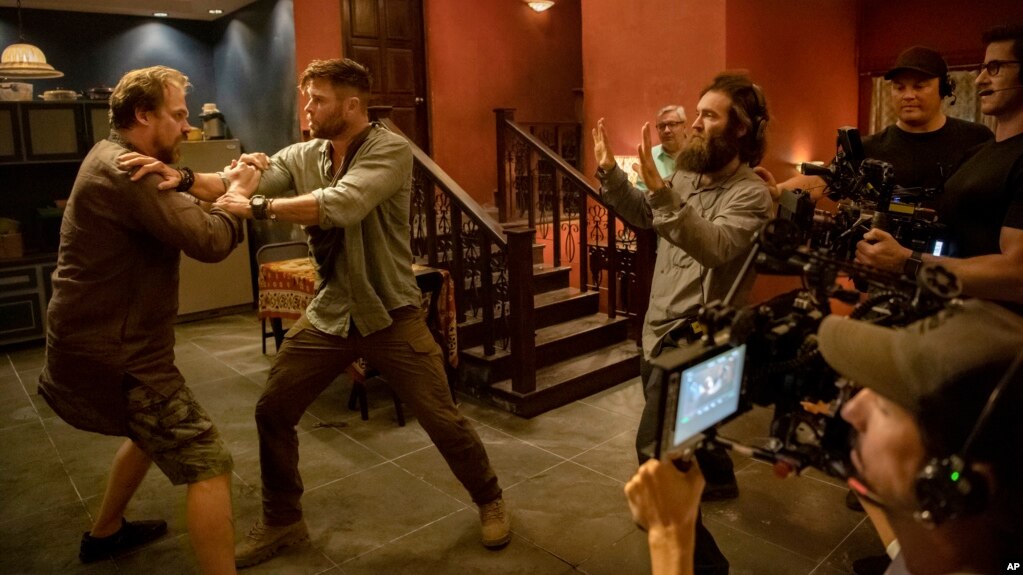
Add now Sam Hargrave, Chris Evans’ stuntman for the Captain America franchise, enters the fray with Extraction, Netflix’s latest original.
If there’s a common theme to the tone of stunt-double-films, it’s this. No stunt is too daring, no storyline too outlandish, including Extraction.
Consider its protagonist. Tyler Rake sounds like a Mad-Libs action hero name. When you add to the mix that this character actually, literally kills someone with a rake, it starts to veer into parody territory. That’s why it’s somewhat surprising that the film built around that wonderfully silly name, Extraction, is entirely sincere and also pretty fun.
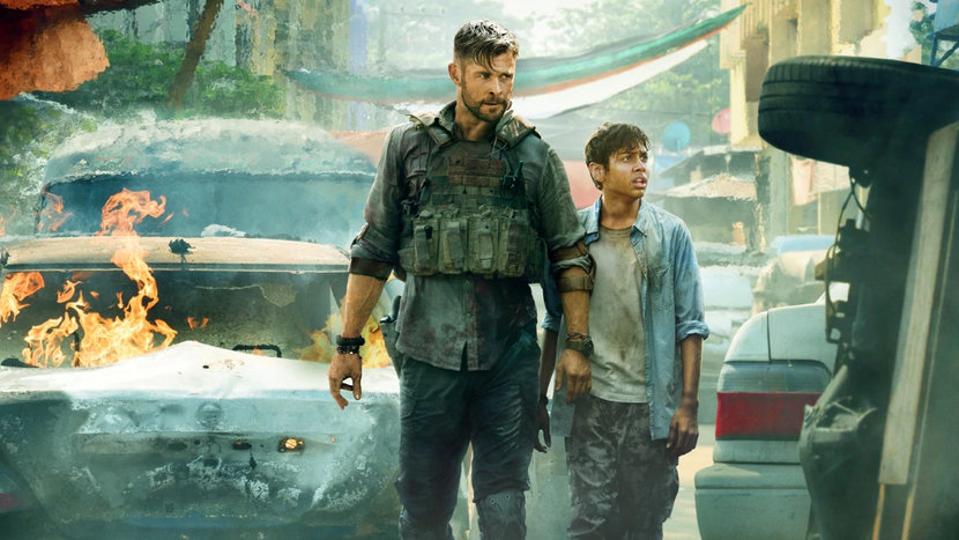
Extraction is a straightforward shoot-em-up about a jaded mercenary, Mr. Rake, played by Chris Hemsworth, who’s hired to save the 14-year-old son of a drug lord from another drug lord in Bangladesh. It doesn’t do anything to push the genre forward, but it’s better than you might think, existing comfortably somewhere on the action flick spectrum between Tony Scott and Peter Berg.
Much of that rests on Hemsworth’s (very large) shoulders. The Australian actor hasn’t had the easiest job finding solid roles outside of Thor. He’s always good even when the movie isn’t, and obviously has some tricks up his sleeves that belie his action-hero physique. But many of his leading man roles that don’t have anything to do with the God of Thunder have come and gone without much fanfare. So it makes a certain amount of sense that Extraction is Marvel-adjacent. It’s written by Joe Russo (one half of the Russo brothers who have directed a handful of Marvel movies, including Avengers: Endgame), directed by Marvel stunt coordinator Hargrave in his debut and based on a graphic novel (Ciudad).
The graphic novel origins help explain “Tyler Rake,” but that name is about the extent of the comic book elements in the actual film. And, to be fair, Extraction even knows it’s ridiculous, hence the rake and the fact that the 14-year-old asset Ovi (Rudhraksh Jaiswal) walks up to the line of making fun of it at one point.
The film begins at the end, showing Tyler Rake (it just feels more right to say his full name) bloodied, battered and near-death on a bridge, having blurry flashbacks to some feet in the sand before cutting to two days earlier in Mumbai. (Don’t hate Extraction for its cliches, they’re just part of the fun).
It won’t shock you to learn that Tyler Rake is a bit of a loner who keeps his living quarters in shambles, but you get the sense that he always knows where the bottle of Oxy is. A woman (Golshifteh Farahani) comes to him with the job to save the kid, whose father is in prison, and Tyler Rake sets off to Dhaka to track him down. There, the criminal underworld plays out in broad daylight, with crime bosses, child soldiers, corrupt police and an overall vibe of instability populating the streets. Tyler Rake finds the kid easily enough, but then things start to get more complicated when he discovers that he’s not the only one looking for Ovi (and ready to kill to get him).
But don’t despair, Tyler Rake has about two hours of non-stop fight in him before he gets to that bridge and the blurry flashbacks. He’ll fight, and win, against anyone who comes in his way — even a group of kids. He doesn’t kill any of them, though. He just kind of injures and disables the “Goonies from hell.”
The word distraction has started to lose all meaning this deep into our home lockdowns, but there is a certain comfort in curling up with a big, silly action pic like Extraction. It reminds you of something you might have spent money on to see in an ice-cold theater on a hot summer day.
It’s anyone’s guess, the final human toll of COVID-19. Regardless of the body count, the coronavirus seems worthy of some historical title. All great disasters get them: The Great Dying; The Black Plague; The Royal Wedding.
But what to name this? It has all the trappings of a great disaster flick, as if we’d just watched the meteor plunge into the middle of the Pacific and can see the tidal wave headed for us in its wake. Only the trees and monoliths planted firmly in the earth seem destined to survive The Great Thinning.
Consider, already, how COVID has winnowed so thin as to be translucent the veil of what we once considered an American way of life. In the matter of a month, we’ve foudationally shifted our thinking on:
Faith. For years, we at the HB have argued that the majority of the nation is atheist because, well, if we thought someone were really watching, we’d act different. Leave it to COVID to do us one better.
COVID demonstrates how believers actually behave when they think an invisible, capricious force capable of mass slaughter exists somewhere out there. It’s even adopted its own set of lifestyle commandments, more conservative than any Baptist fundamentalist or Muslim martyr:
Thou shalt not congregate.
Thou shalt not go unmasked or ungloved.
Thou shalt not eat meat that’s been touched.
And most importantly, Thou shalt shun non-believers.
Do we not follow COVID’s commandments just as fervently, if not more so?
https://www.youtube.com/watch?v=BHpuqx2tzhI
order disulfiram online Business. Corona has laid bare the notion that the stock market and the economy are related. As America’s death toll topped 50,000 and confirmed cases neared 1 million, those in the investing class have kept the DOW above 20000 by, among other things, short-betting on America. How else could oil drop to below $0? COVID has made clear the two American economies: Those who pay the bills; and those who bet they won’t be able to.
COVID is also going allow Economic Darwinism have its way, on everything from the gig economy to democratic socialism. Already, we are seeing its earliest results. Since COVID struck, according to U.S. Bureau of Labor Statistics, more than 33 million are unemployed, for a real unemployment rate of 20.6%—which would be the highest level since 1934.
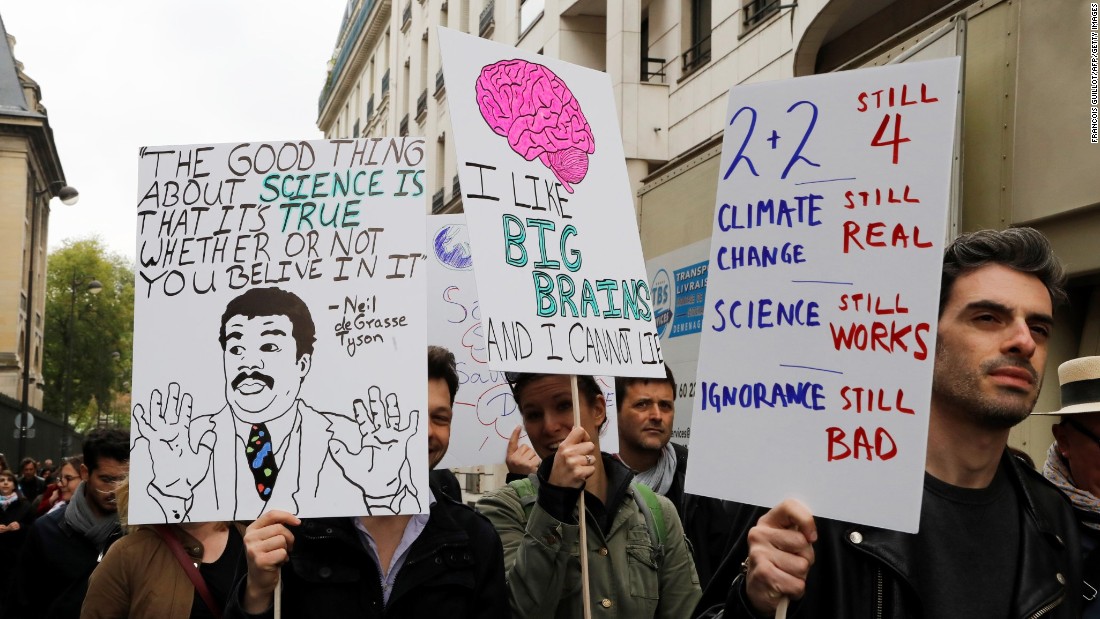
Science. The silver lining of the new order. As dimwits protest not being able to get their hair did, others are publicly touting the beauty of science.That may not stop people from injecting Lysol into their veins, thanks to president PumpkinSpice and Fox lickspittles. But Darwin’s gotta thin the herd somewhere.
(Sidenote to above pic: That protester above misspelled ‘believe’ on purpose, right? To be ironic? Please be so. We need folks who can represent.)






/cdn.vox-cdn.com/uploads/chorus_image/image/66588355/GettyImages_1208287378.0.jpg)