To Serve and Project
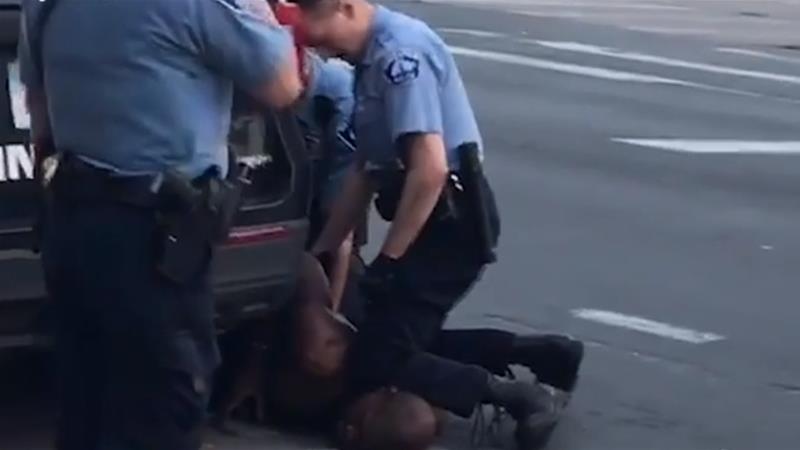
Like the rest of the nation, I did not know George Floyd existed until he did not. I did not know about neck-pinning, either — and I was a cop reporter for two decades.
Yet among some police departments, neck-pinning remains a practiced “non-lethal” method of subduing suspects. Like the choke hold. Or stun gun. Or pepper spray. Or rubber bullets.
I have more than a few questions about what happened to Floyd. Like how he went from being handcuffed and sitting against a building wall to laying handcuffed precisely out of view of a police dash cam as Officer Derek Chauvin choked him out for at least seven minutes.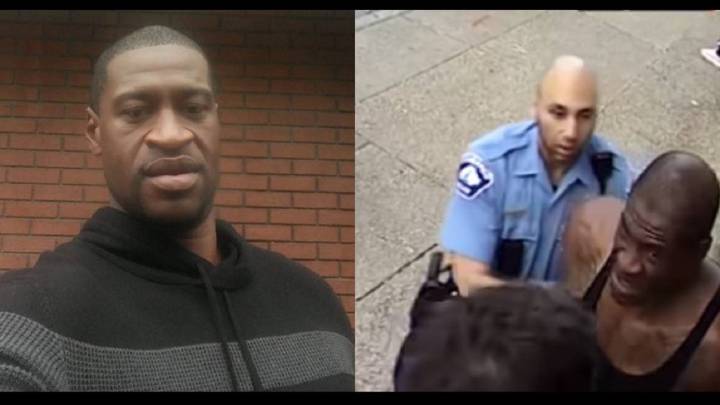
Did Chauvin think Floyd would charge him like a bull and use his skull as a deadly weapon? Is that compliance procedure standard for forgery suspects? Why did none of the fellow officers suggest Floyd had been amply debilitated?
When I was on the cop beat, an officer once demonstrated how effective — and painful — a simple pair of cuffs are at getting you to submit. With a subtle flick of the wrist, he showed me, you can be brought to your knees for fear of your hands snapping off your forearms. When someone dons the bracelets, they can do little within the geometry of pain besides wince. What possibly elevated the threat during that arrest?
Perhaps answers will emerge from Chauvin’s third-degree murder trial, though I doubt it. If the recent spate of racially-fueled incidents — from Floyd to the Hunger Games killing of Ahmaud Arbery to Amy Cooper’s panicked false police report against bird-watcher Christian Cooper — has proven anything, it’s that video surveillance does not curb behavior. :strip_exif(true):strip_icc(true):no_upscale(true):quality(65)/arc-anglerfish-arc2-prod-gmg.s3.amazonaws.com/public/ZD4NEBOE6FDLTNBKHFMVQZYEHI.jpg)

And with a morally corrosive president who dog whistles that “thug” “looting leads to shooting,” that behavior isn’t likely to change. If anything, Trump’s last political maneuver may be to gin up his base into a Civil War 2.0 — now gluten-free!
I’m tired of our impotent condemnations of racism and empty demands for wholesale changes to the way we behave. The mealy-mouthed calls for sensitivity training. When our highest elected official is a racist pederast, do we really expect his yokel fanbase to somehow wise up? Make some specific calls for change, or get off the pot.
And, yeah, this is directed at you, asshole.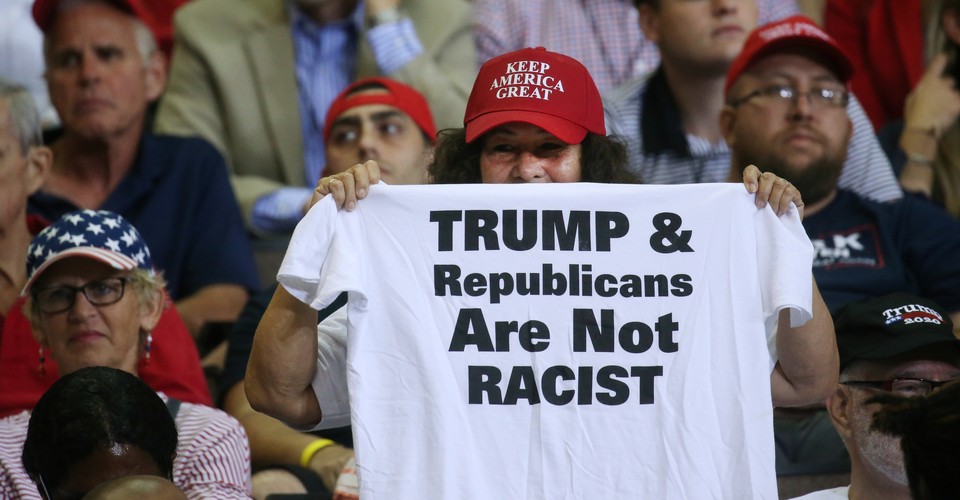
Here’s my call for change: A federal law that mandates that any law enforcement officer authorized to employ “non-lethal force” must experience it in training first.
Want to employ a neck-pin? You must first have a 250-pound training commander kneeling on your windpipe.
A choke-hold? Time for a chin up on a billy club.
A taser? Brace for the bolt. Same with Mace, rubber bullets and flash bangs. We’ll see if our definition of “non-lethal” changes.
Shit, expand the tactic to include our military. Before you can waterboard a state enemy, you’ve gotta try the bathwater first. How long do you think Dick Cheney’s heart would last in the drip? Would he still consider it not to be torture?
None of this may have changed Floyd’s fate. But maybe one of those cops would have said enough. We clearly need to become familiar with the taste of the medicine we dole out.
Enough with the fucking lip service. The only way we’re going to move the needle is by stepping on the goddamned gas.
Pulling Up Dickweeds

Today’s column was going to be about the photo above and this nation’s emergent Cognitive Immune System. Instead, it’s going to be about people who are active participants in the real world.
My sister Caroline turned me onto this goldmine of FactSlaps. So this edition is dedicated to her and the singularity of the universe. It comes from 100people.org, and sourced to several serious fact-finders, including the UN, UNICEF and, of all things, the CIA’s “World Fact Book.”
The following is a detailed version of our 100 People statistics, updated in 2016 to reflect the world population having reached almost 7.5 billion people. Source information for each of the categories is available at the bottom of the page.
If the World were 100 PEOPLE:
Gender 50 would be female
50 would be malehttp://childpsychiatryassociates.com/treatment-team/thomas-hopkins-d-o/ Age 25 would be 0-14
66 would be 15-64
9 would be 65 and olderGeography 60 would be from Asia
16 would be from Africa
10 would be from Europe
9 would be from Latin America & the Caribbean
5 would be from North AmericaReligion 31 would be Christian
23 would be Muslim
16 would not be religious or identify themselves
as being aligned with a particular faith
15 would be Hindu
7 would be Buddhist
8 would believe in other religionsFirst Language 12 would speak Chinese
6 would speak Spanish
5 would speak English
4 would speak Hindi
3 would speak Arabic
3 would speak Bengali
3 would speak Portuguese
2 would speak Russian
2 would speak Japanese
60 would speak other languagesOverall Literacy 86 would be able to read and write
14 would notLiteracy by Gender 90% of males would be able to read and write
10% of males would not be able to read and write
82% of females would be able to read and write
18% of females would not be able to read and writeEducation 78% of eligible males would have a
primary school education
76% of eligible females would have a
primary school education66% of eligible males would have a
secondary school education
63% of eligible females would have a
secondary school education7 would have a college degree
Shelter 78 people would have a place to shelter them
from the wind and the rain, but 22 would notUrban/Rural 54 would be urban dwellers
46 would be rural dwellersDrinking Water 91 would have access to safe drinking water
9 would use unimproved waterFood 11 would be undernourished Infectious Disease 1 would have HIV/AIDS
1 would have tuberculosisPoverty 11 would live on less than $1.90 USD per day Electricity 82 would have electricity
18 would notTechnology 65 would be cell phone users
47 would be active internet users
95 live in an area with a mobile- cellular networkSanitation 68 would have improved sanitation
14 would have no toilets
18 would have unimproved toilets