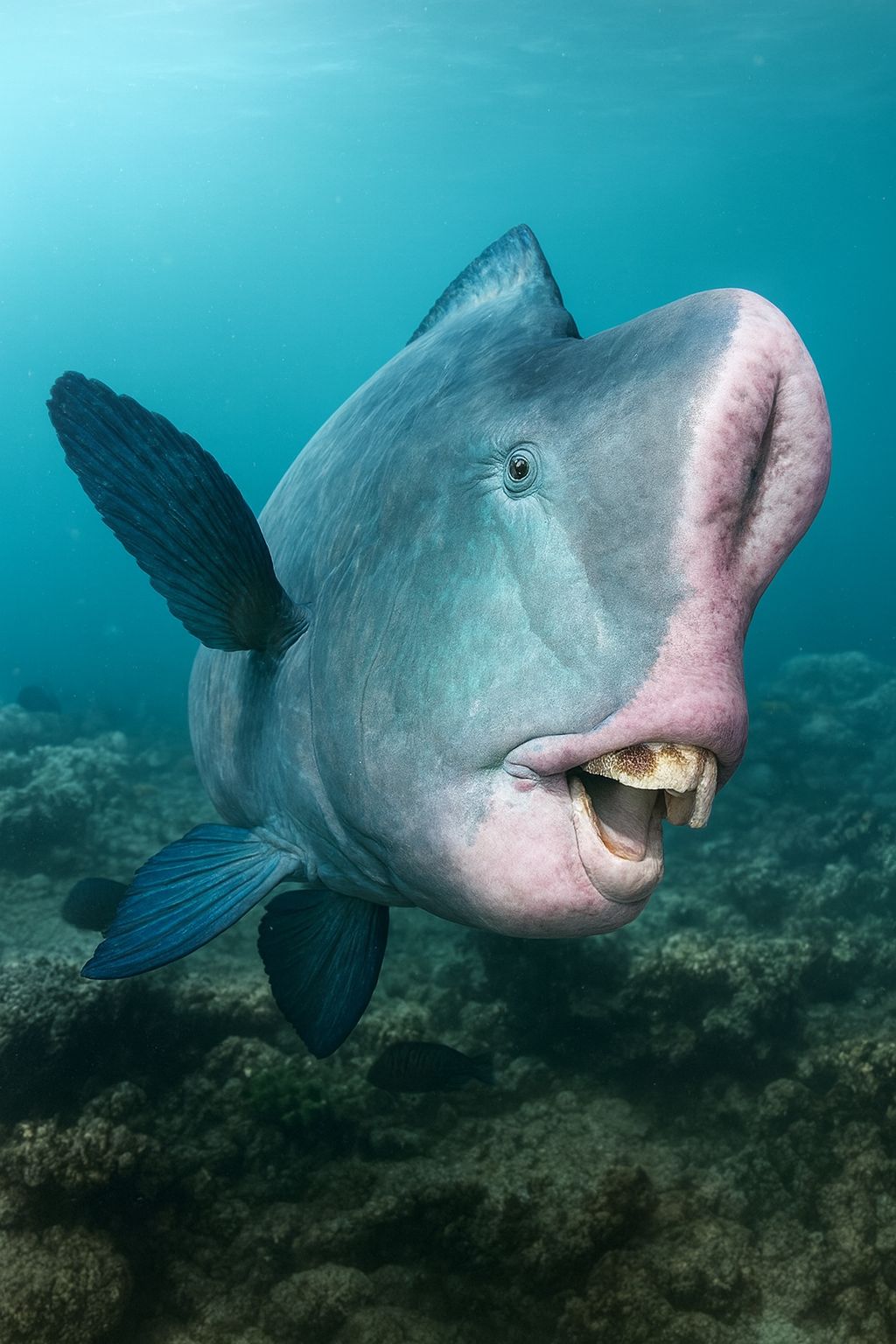
It slams into coral walls, smashing ancient structures with headbutts so violent, it echoes like underwater thunder.
Every morning, these fish wake up and eat the reef… literally.
Their beak-like teeth grind dead coral into powder — producing up to 90kg (200lbs) of sand per year per fish. That’s not just survival — that’s ecosystem engineering.
But their power doesn’t stop at the jaw.
They travel in synchronized mobs, leaving clouds of dust and broken coral in their wake — reshaping the seafloor like aquatic bulldozers.
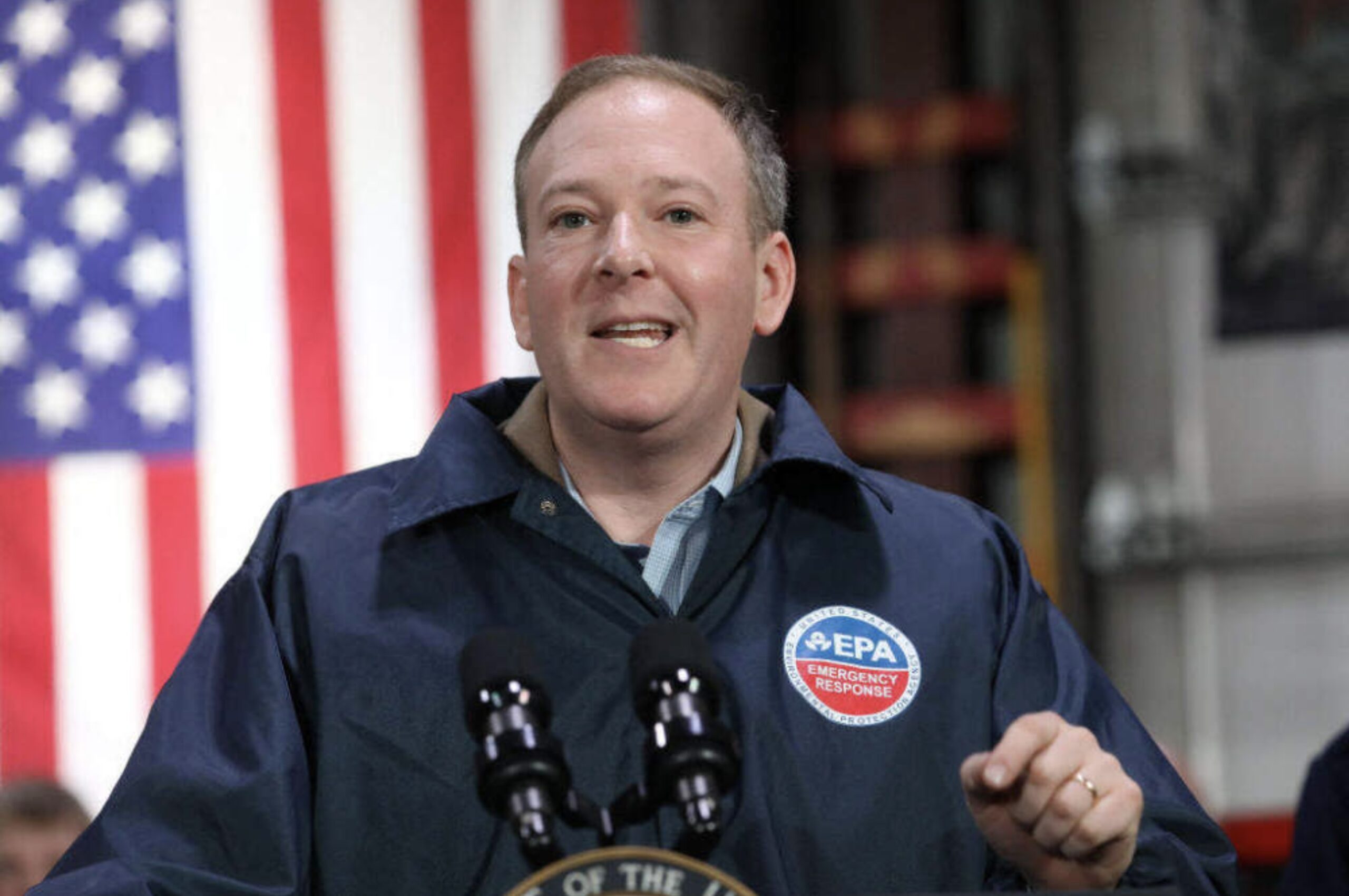
The Environmental Protection Agency no longer wants to protect the environment.
That’s the message Tuesday when EPA Administrator Lee Zeldin announced the agency’s intent to rescind the 2009 “endangerment finding”—the legal backbone of every federal climate regulation passed in the last 15 years.
Speaking at a truck dealership in Indianapolis, Zeldin unveiled the proposal as if unveiling a new Ford F-350, calling it “the largest deregulatory action in the history of the United States.”
He wasn’t exaggerating. If finalized, the proposal would effectively erase the EPA’s ability to regulate carbon dioxide, methane, nitrous oxide, and other greenhouse gases that fuel climate change.
Gone would be vehicle emissions standards. Gone would be rules capping methane leaks from oil and gas operations. Gone would be regulations limiting how much carbon power plants can dump into the sky.
And gone would be any illusion that the federal government is serious about addressing climate change.
Zeldin’s rationale? That the EPA “does not have the power” to make such regulations under the Clean Air Act. “We do not have that power on our own to decide as an agency that we are going to combat global climate change because we give ourselves that power,” he said.
Never mind that the Supreme Court already affirmed the EPA’s authority to regulate greenhouse gases under the Clean Air Act in the landmark 2007 case Massachusetts v. EPA. Never mind that the endangerment finding was rooted in mountains of peer-reviewed science, affirmed by scientists across political lines, and upheld in multiple legal challenges. The Trump-era EPA doesn’t want to regulate climate pollution—not because it can’t, but because it won’t.
Zealan Hoover, who advised the agency under President Biden, said the quiet part out loud: “This is not just an attack on science but on common sense.”
Let’s be clear about the stakes. The 2009 finding didn’t invent climate regulation—it enabled it. Without it, the EPA is a shell, stripped of one of its only tools to address the rising planetary fever. And this isn’t just a war on carbon. It’s a war on precedent. On data. On the very idea that public agencies should protect the public.
If the endangerment finding goes, so does the entire federal framework for confronting climate change. And while lawsuits are certain to follow, the damage may already be done. Corporations, lobbyists, and fossil fuel interests have their headline. Investors have their signal. The planet has its warning.
The irony is that most major U.S. energy companies have already begun planning around carbon constraints. Utilities are phasing out coal. Car companies are going electric. Even ExxonMobil claims to support methane rules. But the EPA’s move isn’t about policy—it’s about politics. It’s about torching the rulebook on the way out the door.
Zeldin and his allies call it energy freedom. But what they’re really offering is atmospheric anarchy, gift-wrapped in bureaucratic doublespeak. If the EPA no longer believes greenhouse gases are dangerous, it ceases to be an environmental agency at all. It becomes a PR shop for polluters.
The public comment period opens Friday. Speak now or breathe it in later.
Because the endangerment finding may be erased—but the consequences will hang in the air forever.