The universe is vast beyond imagining, and yet it is young. We are taught that the cosmos is ancient; that the stars are old and our presence belated.
But when we compare the true age of the universe to the time still to come, we discover something extraordinary. The universe is only beginning.
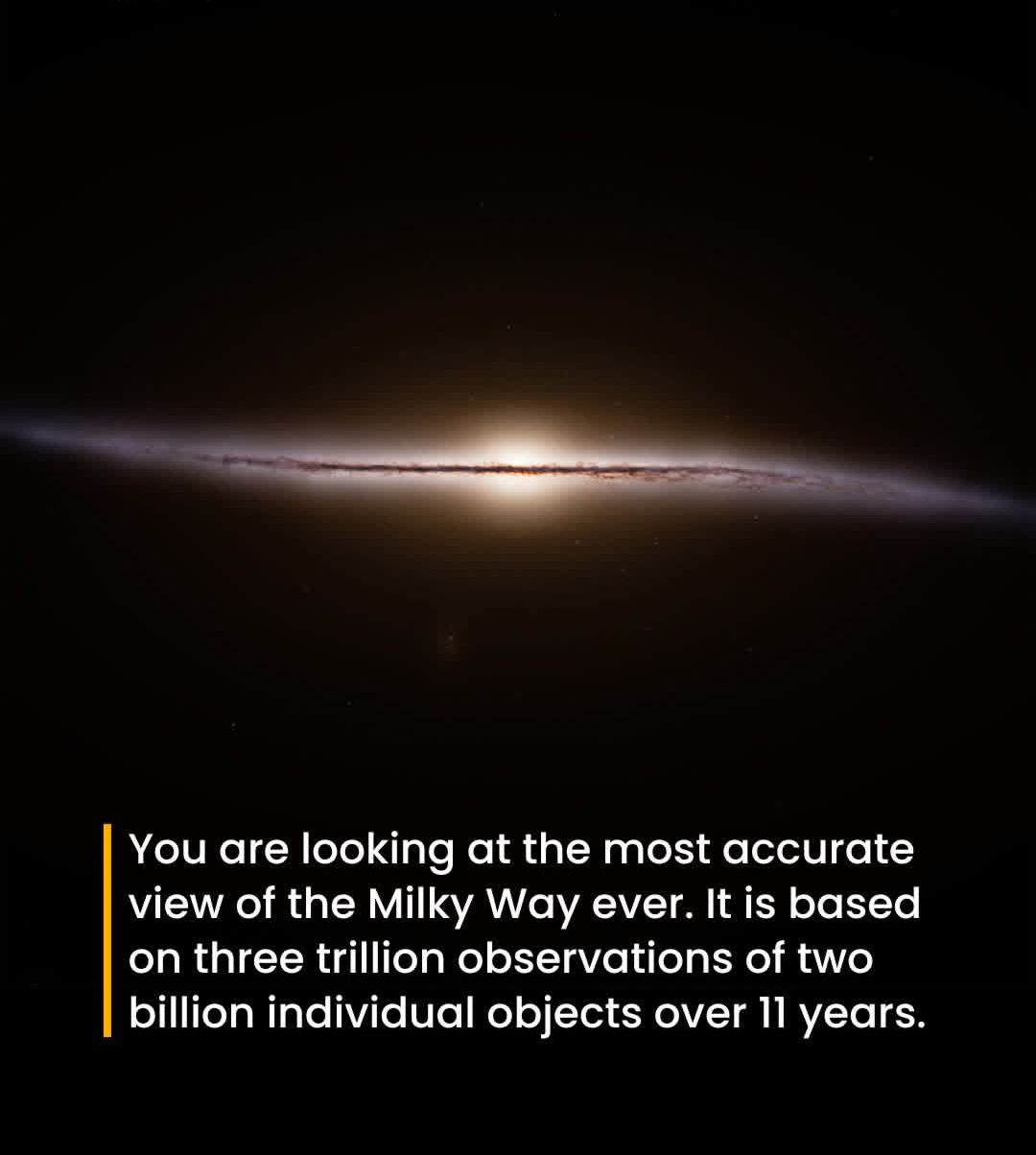
Astrophysics tells us that our cosmos is 13.8 billion years old, an expanse of time that dwarfs every page of human history.
And yet, this span is but a flicker compared to the life that remains. The hydrogen fuel that powers the stars, that lights galaxies and warms worlds, is abundant enough to sustain star formation for as long as 100 trillion years. That means the cosmos has lived through just a tiny fraction — about one-hundredth of one percent — of its star-forming lifetime.
That simple fact reshapes everything. We are not latecomers, stumbling into a banquet long after the feast has ended. We are present at the first courses of a meal that may last a hundred trillion years.
Our universe is embryonic. The stars are still young. Minds, rarer still, may only just be beginning.
Which means:
adjectively We are early pioneers. In a universe still just beginning to make stars, the emergence of intelligent beings now suggests we are among the first. Not the only, perhaps, but early travelers in a cosmos with most of its habitable worlds yet unborn.
The possibilities are staggering. If life can arise at all, then across trillions of years and trillions of stars, civilizations may multiply beyond counting, each carrying its own culture, its own science, its own voice.
Our existence is a preview, not a conclusion. We live at the overture before the symphony, the earliest performance of cosmic life.
Consider the implications. We often imagine the universe as an old cathedral, with ancient walls and cold stones, and ourselves as late parishioners stumbling in near closing time. The Fermi Paradox tells us: We should have met others long ago.
But the cathedral is only just being built. The pillars are still rising. The stained glass has not yet been set. The long hours of light and life have hardly begun.
If civilizations like ours endure, then the future may be richer than even the most imaginative dreamers dare suppose. Imagine cultures flourishing in galaxies yet unborn. Imagine archives of knowledge preserved for eons.
We are quick to despair at the fragility of our place. And it is true: the Earth is a mote of dust in a vast darkness, our tenure precarious, our future uncertain.
But there is another truth: We live at the beginning of beginnings.
The universe is on our side in one respect: It offers us time. If we can endure, if we can learn to safeguard our fragile world, then we may join the long unfolding of the cosmos.
We are stardust considering the stars, the first notes in a composition not yet played. The galaxy is not tired, not fading, not finished.
It is waking.
Perhaps one day minds will bloom in every corner of the universe. Perhaps civilizations will rise and fall like tides across aeons.
And maybe some distant descendants, trillions of years from now, will look back at us with quiet wonder: the first to stir, the first to think, the first to dream in a cosmos just becoming.
We are not latecomers to the party of the stars. We are among the first to arrive.
If people truly knew the miracle of science, they’d build a different kind of altar.
Not of gospel, gold or greed. But sand, sun and stardust.
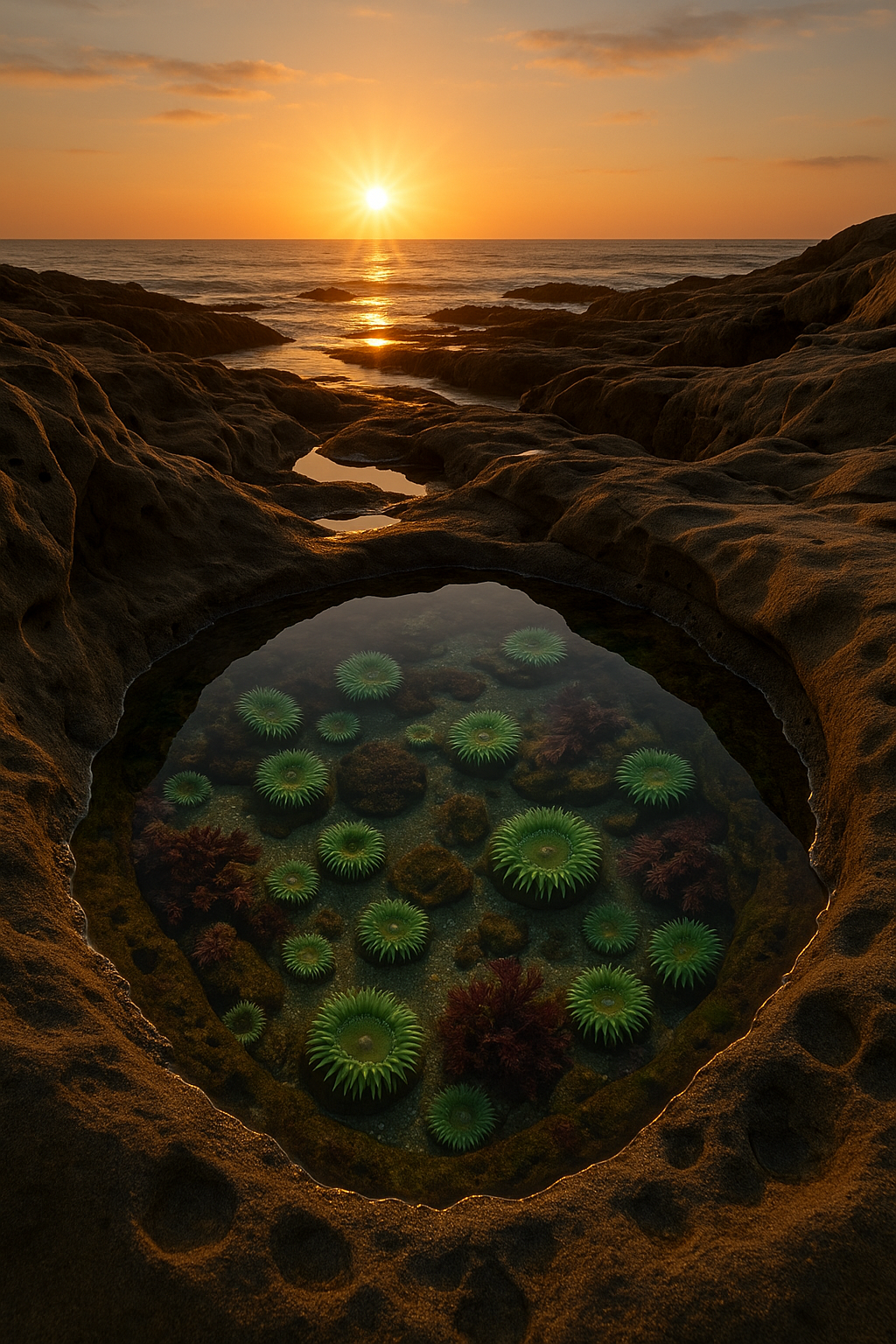
They’d gather where the tide pools teach the patient art of adaptation, where tide and time have carved cathedrals from nothing but persistence.
They’d bow before the ancient light that traveled billions of years to reach their upturned faces, carrying stories of worlds that died before Earth dreamed.
Their hymns would be the hum of atoms, the secrets that electrons share as they leap between their shells.
They’d celebrate the sacred chemistry that turns sunlight into sugar, sugar into thought, thought into love.
We are the universe learning to marvel at itself.
And in their reverence for what is, rather than what might be, they’d find infinity in the endless depth of now.