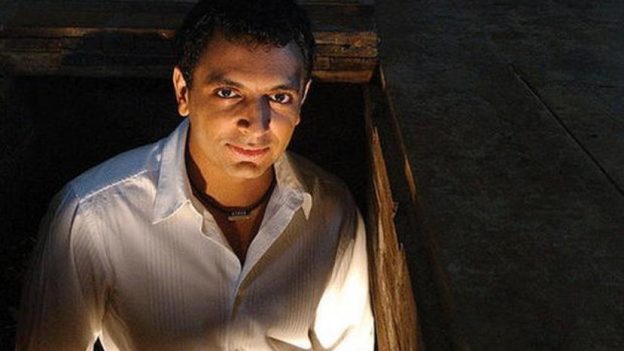
M. Night Shyamalan’s career is something akin to the stock market. After making his Hollywood splash with the Oscar-nominated chiller The Sixth Sense, he was hailed on the cover of Newsweek as the next Steven Spielberg. But since then, his career has seen as many peaks and valleys as The Dow Jones. In anticipation of his trilogy capper Glass, we take a look and rank the dozen films in his career.
anes The Last Airbender (2010)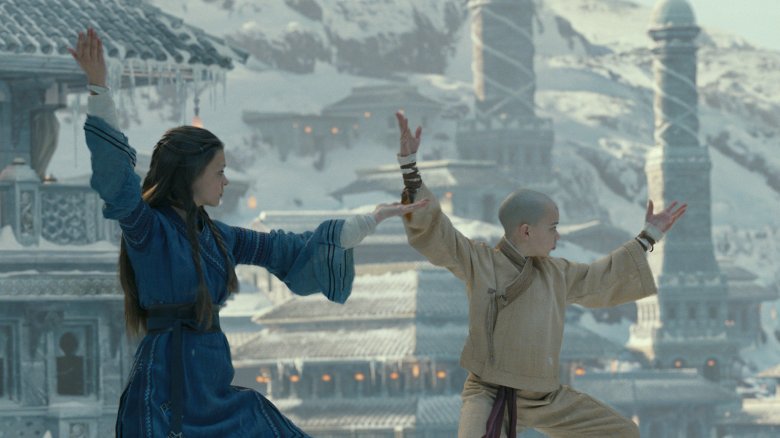
Shyamalan had a reputation of making tight suspense movies that didn’t break the bank: His first seven movies cost less than $75 million. Maybe that’s what made Airbender so disappointing. Despite boasting a $150 million budget, the movie was marked with uninspired performance, shoddy special effects and a script devoid of his trademark flourishes of quiet tension — a far cry from the wildly wildly imaginative Nickelodeon series on which it was based. Savage reviews sealed the movie’s fate — and Shyamalan’s plans for a trilogy.
Lady in the Water (2006)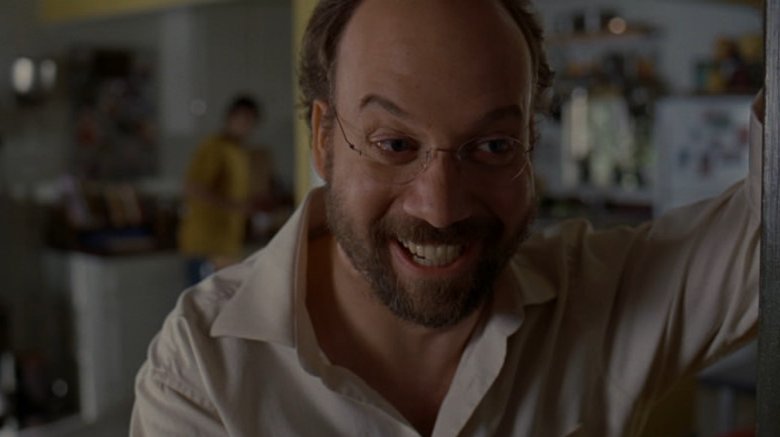
One of the biggest disappointments of Shyamalan’s career. Before beginning production on this fairy tale, Shyamalan had quite a resume, with Sense, Unbreakable and Signs under his belt. And with a cast lead by Paul Giamatti, Bryce Dallas Howard and Jeffrey Wright, expectations were stratospheric. Alas, this story about a blue collar Joe trying to save a stranded water faerie return home came off as an exercise in self-indulgent hubris, and sank like a stone with critics and fans.
Praying With Anger (1992)
While not technically a Hollywood film (Shyamalan started working on his debut film while still a student at NYU), this was his first true movie: He wrote, produced, funded, directed, and starred in the story of an Americanized young man of East Indian descent returning home to rediscover his roots. While the movie didn’t have the low-budget Blair Witch or El Mariachi debut effect he hoped (the pacing was molasses slow and it showed Shyamalan, who played the lead, is no actor), it did grab the attention of studio execs who saw potential, opening the door for Sense.
After Earth (2013)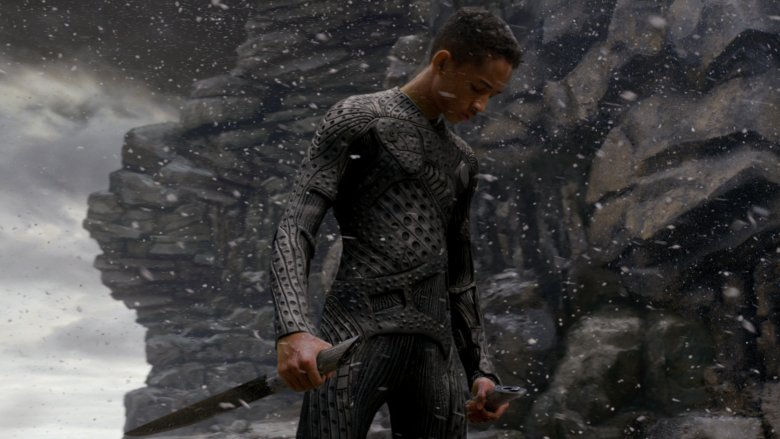
Credit Shyamalan with guts: Even after the costly debacle that was Airbender, Shyamalan wasn’t shy about swinging for the big-budget fences, and Columbia Pictures obliged with a $130 million budget and Will Smith for this sci-fi adventure. But the story of space travelers stranded on an alien planet played as an empty vessel, a vanity project for Smith and his son Jaden, who showed a surprising lack of chemistry and could not muster, of all things, much emotion to overcome the unimpressive special effects. While star power and overseas grosses helped the movie turn a small profit, the movie never took flight with fans and reviewers.
The Happening (2008)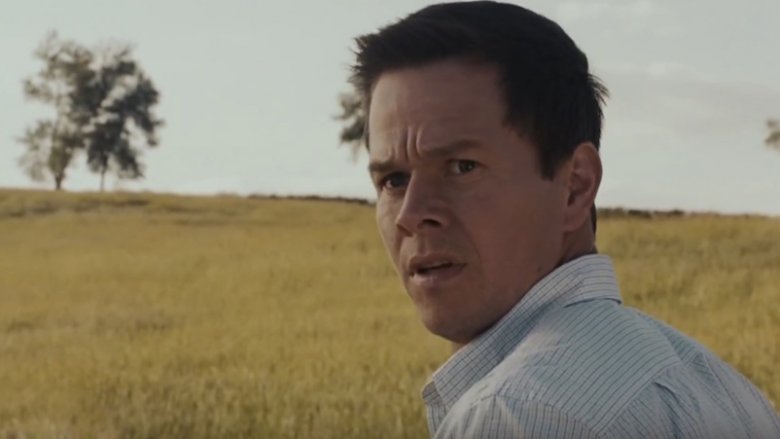
Despite a terrific trailer, Happening became a Hollywood punchline about wind being an awful casting choice for a thriller. The story about a teacher, his wife and their friends trying to outrun a mysterious plague has its fans, but primarily among B-movie fans fond of it’s unintentional B-movie quality.
Wide Awake(1998)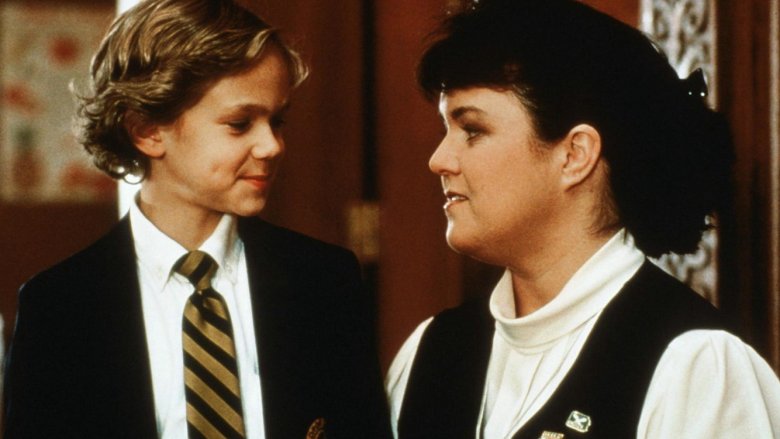
Most people don’t even know Rosie O’Donnell starred in a Shyamalan film, but this clunker about a fifth grader who sets off on a search for God after the death of his grandfather is unfortunate proof otherwise. While the movie should have been in the wheelhouse of Shyamalan’s themes of faith, family and identity, the story was too plodding and schmaltzy to get the director back on top of his game.
The Visit (2015)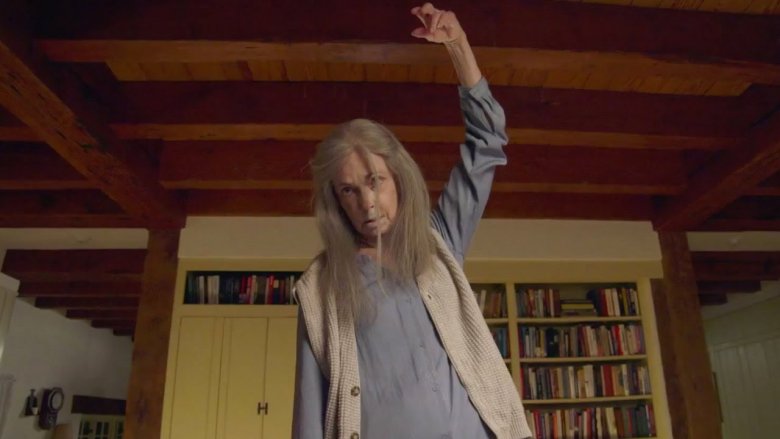
After his fourth straight big-budget misfire in After Earth, Shyamalan seemed poised for a possible comeback with this 2015 semi found-footage film about teen siblings visiting their grandparents and finding them engaged in some seriously deranged behavior. Too deranged for audiences, who found the movie claustrophobic, paranoid and just plain bizarre — made more confusingly jittery by the movie’s handheld camera work. It did, though, earn a 72% on RottenTomatoes and gave a glimpse into the creepy anxiousness Shyamalan would use so effectively in Split.
The Village (2004)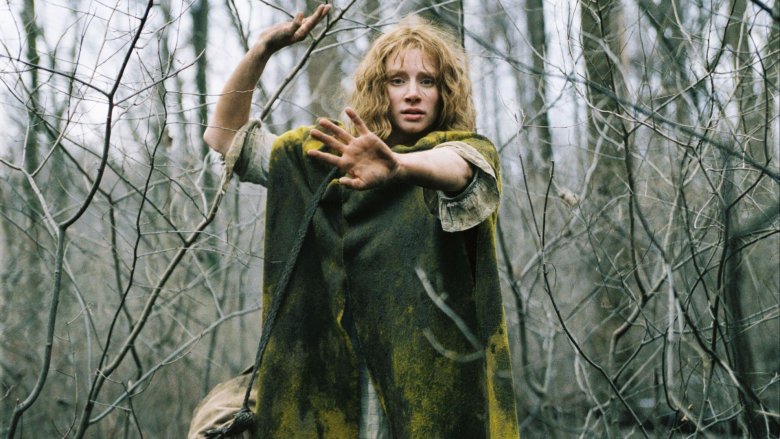
Perhaps the most underrated film in Shymalan’s oeuvre. Sure, the central conceit is a cheap twist with no clever foreshadowing clues like Sense. But the mournful story and Gothic themes of grief, fear and the coldness of modern society made for an effective chiller, accentuated by the woods that made up the set and the “creature” that haunted them. Not to mention, it featured Roger Deakins haunting cinematography and a terrific romantic score from James Newton Howard. The movie enjoyed a healthy home video run and warrants a repeat viewing for those expecting something different in theaters.
Split (2017)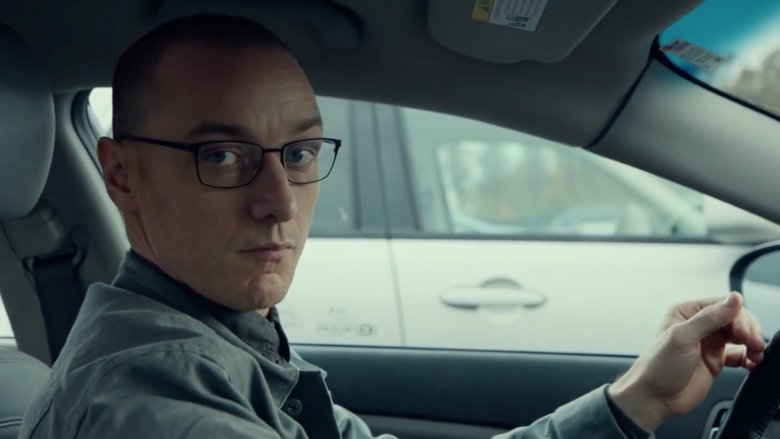
While The Visit didn’t quite put Shyamalan back on top, it proved Shyamalan was ready to tackle the darker, deeper themes that made him a critical darling early in his career. Backed by the risk-taking production house Blumhouse, this story of a man suffering from multiple personalities was a showcase for James McAvoy’s incredible range with voices and characters, and is perhaps the most unexpected entry of a suspense trilogy in recent cinema. It’s a wonderful examination of psychological horror and was the surprise commercial hit of 2017, raking in $138 million, more than three times its budget. It’s also made Glass the most anticipated film of winter.
Signs (2002)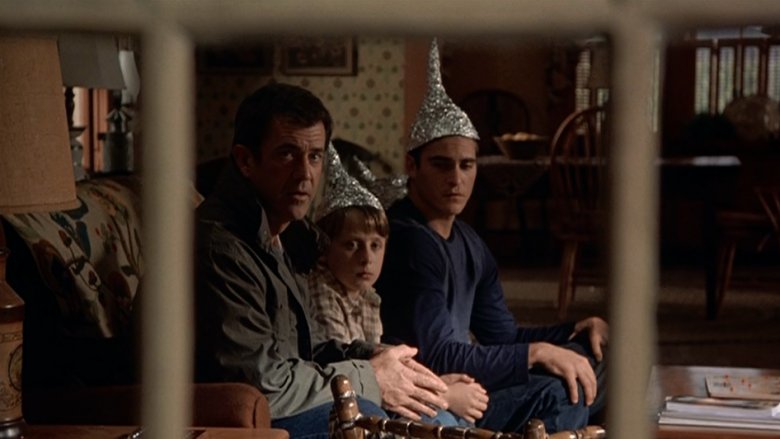
Sure, it’s too long, and critics had a field day with the twist ending (why would invading aliens, who dissolve in water, invade a planet that’s 70% water and rains regularly?). But Signs became not only a sci-fi masterpiece, but it pulled off the near-impossible at the box office: After dropping from the No. 1 perch its opening weekend, it roared back in its fourth weekend to hold the top spot for three straight, raking in $227 million by the end of its run. Many consider it Mel Gibson’s finest performance, and made a scene-stealer out of Joaquin Phoenix. It also became that true Hollywood rarity: a religious parable to wear its heart on its sleeve.
Unbreakable (2000)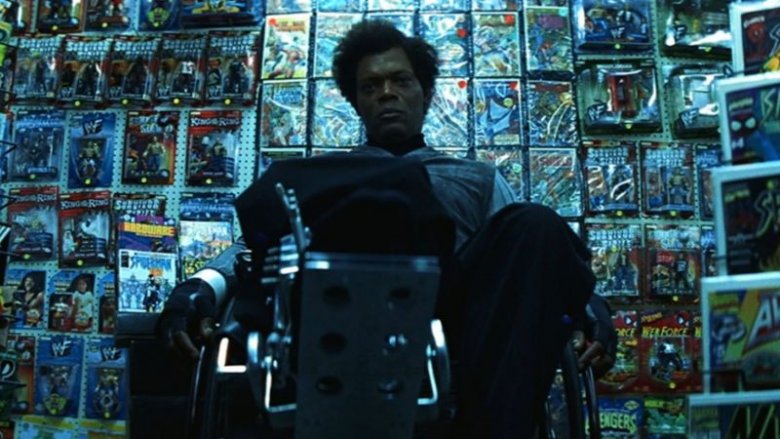
Perhaps the most underrated superhero film in modern Hollywood memory. Coming on the heels of Sense with a cryptic trailer and a shroud of secrecy, Unbreakable set an unreachable bar of expectations, and its $95 million at the box office — $5 million short of the ridiculous $100 million “blockbuster” label requirement — had some media wonks deeming it a disappointment. But it’s eminently re-watchable for the clues it subtly lays out, the sequel-friendly landscape it carves, and still stands as some of the best work Bruce Willis and Samuel L. Jackson have ever done. It’s even got the subtle heart of a family drama, virtually unheard of in today’s superhero universe.
The Sixth Sense (1999)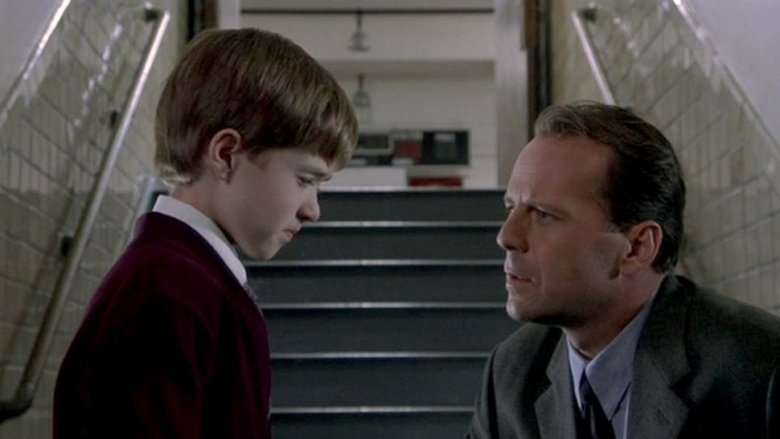
Even Shyamalan could not come up with an unexpected twist to this list. What more can be said about a debut that challenges Orson Welles’? Shyamalan’s tale of a soft-spoken 10-year-old who sees dead people comes off as a straightforward horror movie. But the mesmerizing performance of Oscar-nominated Haley Joel Osment, played against Bruce Willis’ wonderfully restrained performance and capped by the confident directing of a Tinsel Town wunderkind, made Sense not only the suspense thriller of the year, but the decade. No matter how many times you watch it, you’ll find a new, subtle clue hinting at its devastating finale.



 Though we lived in Detroit, we had a hifi system the size of a Buick. On clear night, we could hear Boston games as relayed by WBZ commentator Johnny Most, a guy whose voice sounded like he gargled with vinegar and gravel. Many a night, bedtime required I turn in before the game ended. Every morning, dad would leave an index card on the kitchen table for me, with the game’s outcome and players’ stats. I may even have become a journalist to bond with dad, but that’s another story.