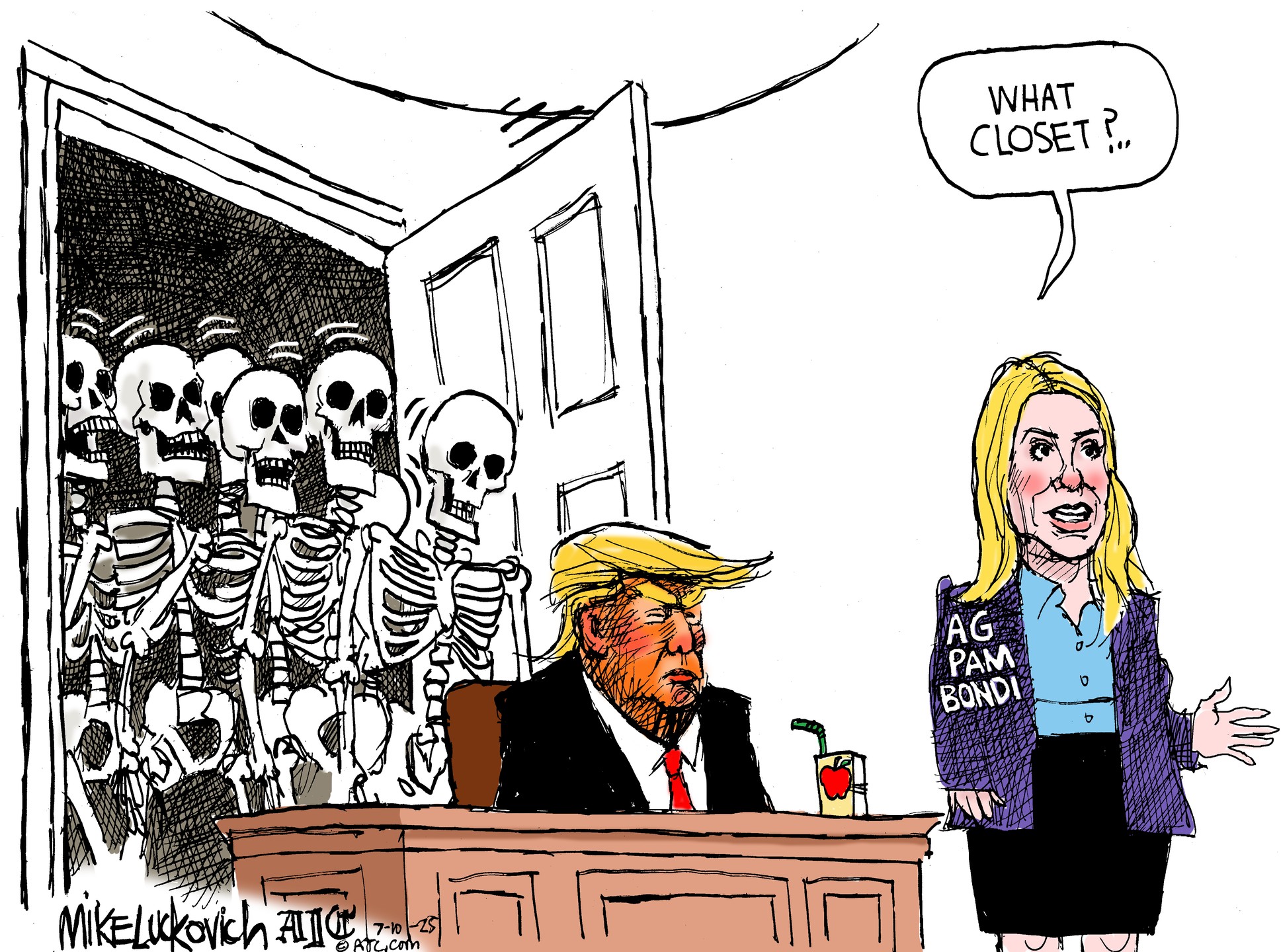
Dem Bones

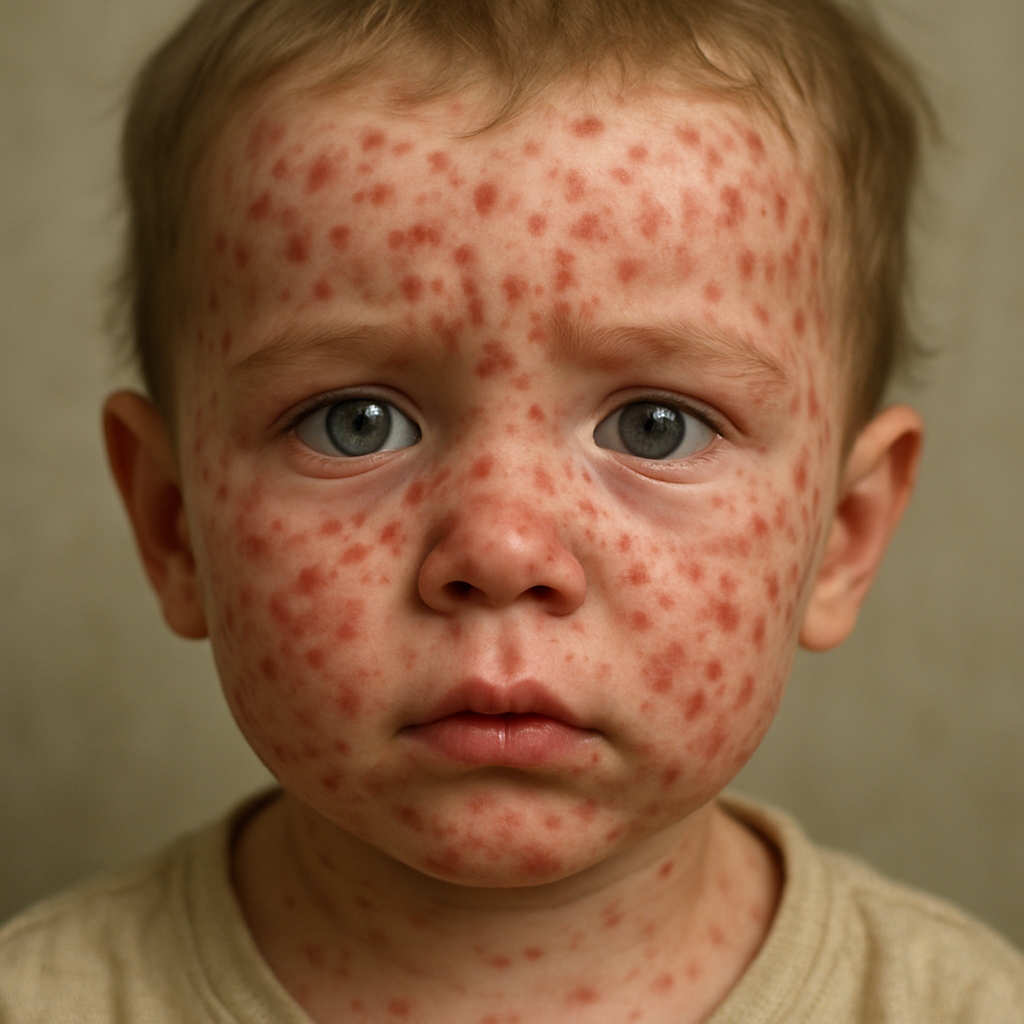
http://lyndsaycambridge.com/tag/only-ever-yours We are living in the United States of Alternative Facts, and the return of measles is its latest holy sacrament.
http://vintagegoodness.com/mad-men-prop-auction-my-top-10-favorite-items/ They declared it dead in 2000 — eliminated, finished, a medical triumph. But in 2025, hospitals fill, kids fight for air, families hold funerals. Before the vaccine, measles infected 3–4 million Americans each year, hospitalized 48,000, and killed 400–500.
Then science nearly erased it. But there seems to be no stopping our faith in ignorance.
Now, the CDC reports 1,288 confirmed cases across 39 states, with 162 hospitalizations and three deaths — the first measles fatalities in a decade. Numbers remind us that science succeeds when embraced and communities protect each other through shared effort.
Robert F. Kennedy Jr., the worm-brained Secretary of Health and Human Services, builds a pulpit on vaccine fear, preaching to followers eager to see science as conspiracy and shots as threats. Donald Trump fuels the chorus, praising “freedom” as the right to spread disease to neighbors, classrooms, and newborns. They offer a message that glorifies self-interest and frames public health as an enemy rather than a shared shield.
This surge shows a country that celebrates delusion and rewards ignorance. Americans trade evidence for gut feelings, data for rumor, and doctors for self-anointed prophets. In few nations does a health official rise to power after calling vaccines poison.
America crowns that rejection of science with authority, sending a clear signal that belief matters more than proof and that echo chambers matter more than expert consensus.
Measles rises because Americans choose fantasy over collective responsibility. Many embrace the idea that they stand apart from biology and above consequence. They wear personal conviction as armor, convinced that courage means resisting proven tools instead of using them to save lives.
Vaccines deliver modern miracles — our best armor against preventable death. Choosing them strengthens communities and shows shared courage. A vaccinated society stands together, embodying strength in numbers and protecting those too young or vulnerable to defend themselves.
Measles spreads because Americans welcomed it, convinced they outwitted scientists and every grave in every children’s cemetery.
America embraces delusion, celebrates martyrdom to ignorance.
We mark that faith in tombstones.
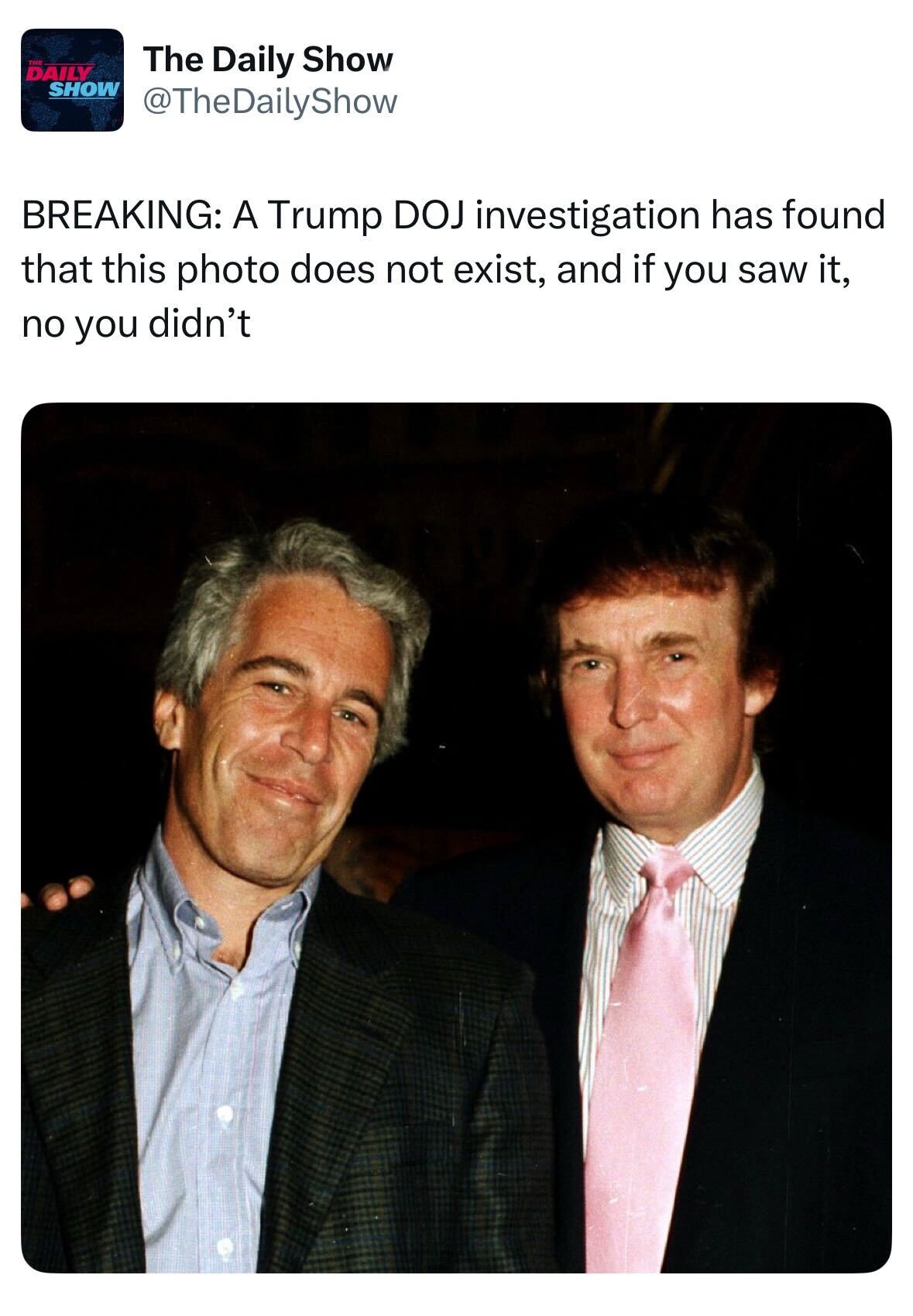
“Are you still talking about Jeffrey Epstein? This guy’s been talked about for years … Are people still talking about this guy, this creep? That is unbelievable. Do you want to waste the time?” — Donald Trump
The man who built his political fortune on the scaffolding of conspiracy theories has grown tired of them. At least, the ones that inconvenience him. When Donald Trump snapped at a reporter today for daring to ask about Jeffrey Epstein, he unwittingly gave a masterclass on the boomerang effect of conspiracy thinking — how it devours its creators and leaves scorched trust in its wake.
Trump’s entire rise was engineered on whispers and winks. Obama’s birth certificate. The deep state. The rigged election. Each lie required a bigger lie to sustain it, a new villain to keep the pot boiling.
In the early days, these conspiracy theories served him well. They galvanized a base, filled arenas, and gave pundits endless content. They made the world feel like a cosmic game of inside baseball where Trump alone had the cheat codes.
But the thing about conspiracy theories is that they don’t retire quietly. They metastasize. They turn on their handlers.
Once the public is taught to believe that every institution is corrupt, that every question has a shadowy answer, they don’t simply stop at the border of convenience. They keep digging. They keep asking. They keep demanding the smoking gun.
The Epstein saga is a perfect example. When the financier died by suicide in 2019, the conspiracies wrote themselves: he was murdered to protect a mythical “client list,” he had blackmail on world leaders, he was a puppet of a global cabal. Every new document, every newly unearthed flight log or leaked photo, became tinder for the bonfire. The story spread faster than any fact-check could keep up with.
And Trump, who had known Epstein socially and even once said he “likes beautiful women as much as I do,” was always going to be in the blast radius.
Today’s Department of Justice memo concluded there was no evidence of an Epstein “client list” or coordinated blackmail operation.
But try telling that to the same people who once chanted “lock her up” on Trump’s cue. They’ve been trained to smell blood even when none exists. Trump’s abrupt dismissal — “Are you still talking about this guy?” — was meant to slam a door that has already been blown off its hinges.
Here’s the deeper danger: Conspiracies have a unique ability to hollow out the public square. They erode trust in journalism, in science, in law, in any institution that relies on shared facts.
When everyone is a secret agent, no one is accountable. When everything is a lie, nothing matters. Trump’s rhetorical question wasn’t just contempt for a reporter. It was contempt for the very idea of accountability.
It’s tempting to laugh at the absurdity. After all, Trump calling anything a waste of time is like a con artist criticizing pickpockets.
But we should resist the urge to chuckle and move on. Because each time a leader shrugs off scrutiny, each time a question is mocked instead of answered, the walls of our democracy get a little weaker.
The conspiracy theorist always imagines he’s the puppet master. But the crowd, once convinced that truth is optional, becomes ungovernable. Today’s jeer at Epstein questions is tomorrow’s refusal to believe election results or public health warnings. And the politician who thought he was riding the tiger eventually finds himself in its teeth.
That’s the real story behind Trump’s outburst today. The master of conspiracies now trapped in his own labyrinth, running from questions he once encouraged. And we’re left to sweep up the shards of trust he shattered on the way.
The house always wins — until it eats the dealer alive.