Tepatlaxco de Hidalgo Sure, 2020 has done its damndest to ruin everyone’s year. But the calendar wasn’t cruel to everyone; just ask the Supreme Court lawyers representing equal LGBTQ rights.
notwithstanding And sure, COVID pretty much screwed over the notion of concerts and live music. But that hasn’t stopped rock gods from reigning o’er a world in need of a beat. Here are some of the rock documentaries that landed this year, despite a pandemic ruling the tarmac:
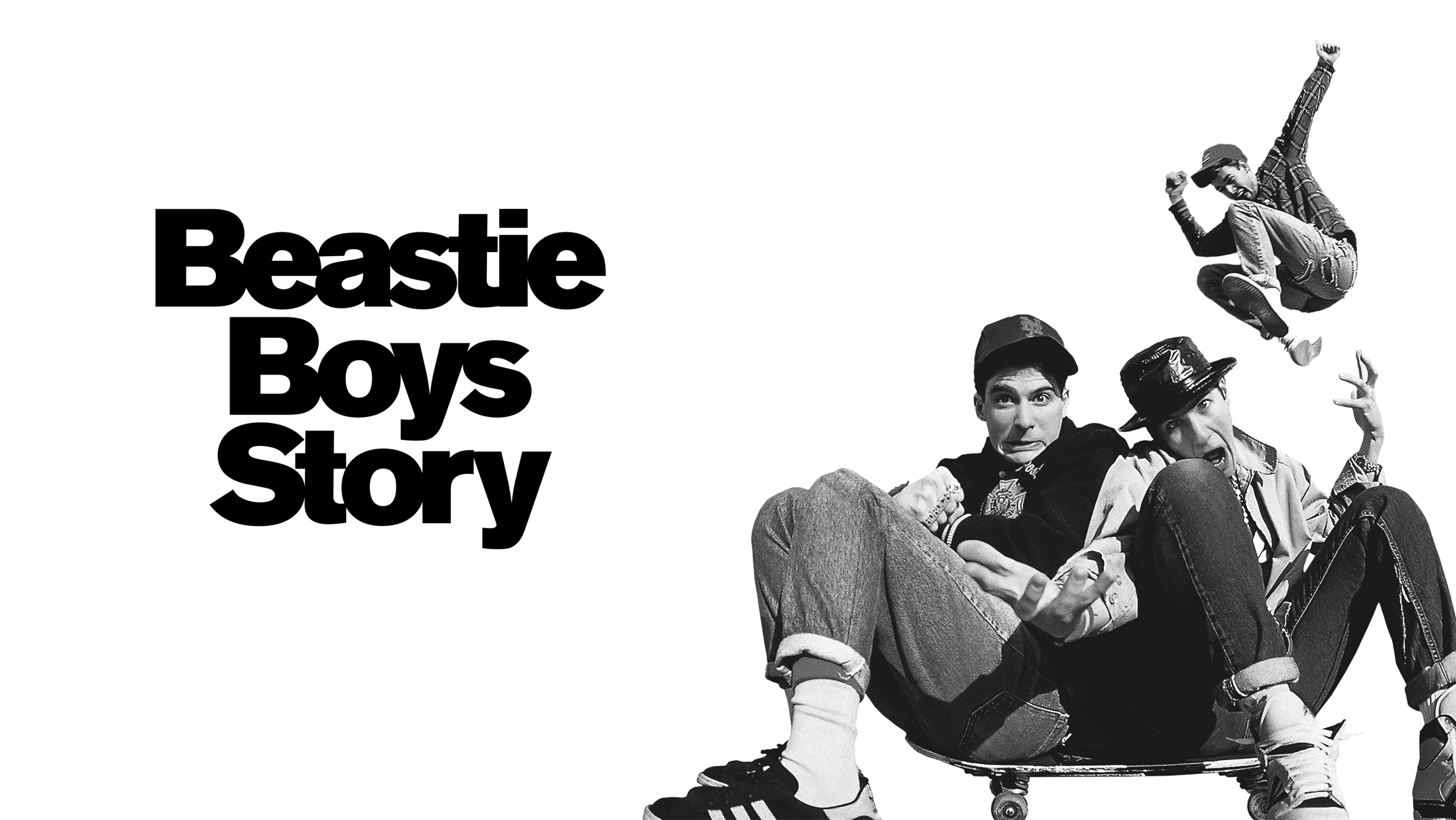
Beastie Boys, Beastie Boys Story
Mike Diamond and Adam Horovitz of the Beastie Boys tell Spike Jonze an intimate, personal story of their band, the late Mike Yauch and their 40 years of friendship together.
David Byrne, David Byrne’s America Utopia
Spike Lee documents the former Talking Heads frontman’s 2019 Broadway show, based on his recent album and tour of the same name.
Nick Cave, Idiot Prayer
Nick Cave performs solo at the piano, at Alexandra Palace, playing songs from his extensive catalog, and including rare tracks that most fans will be hearing for the first time.
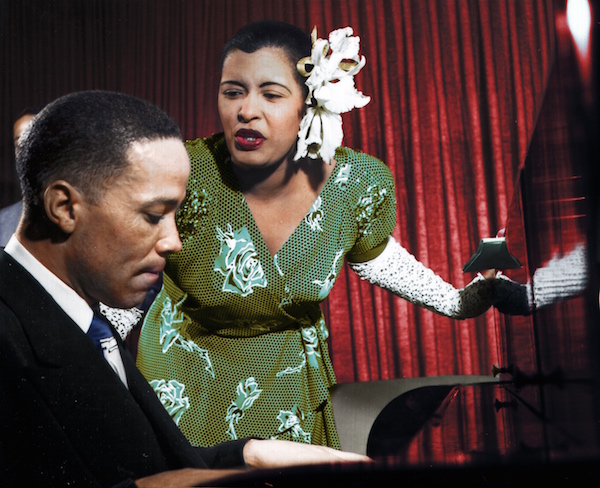
Billie Holiday, Billie
A documentary biopic of the great and mysterious jazz singer, whose death was ruled a suicide in 1978.
Shannon Hoon, All I Can Say
An archive of ’90s culture and a philosophical study of fame via the intimate video-diary of Shannon Hoon, the late lead singer of alt-rock band Blind Melon.
Bruce Springsteen, Bruce Springsteen’s Letter to You
Behind-the-scenes look at Springsteen’s creative process with full performances from The E Street Band, in-studio footage, and never-before-seen archival material.
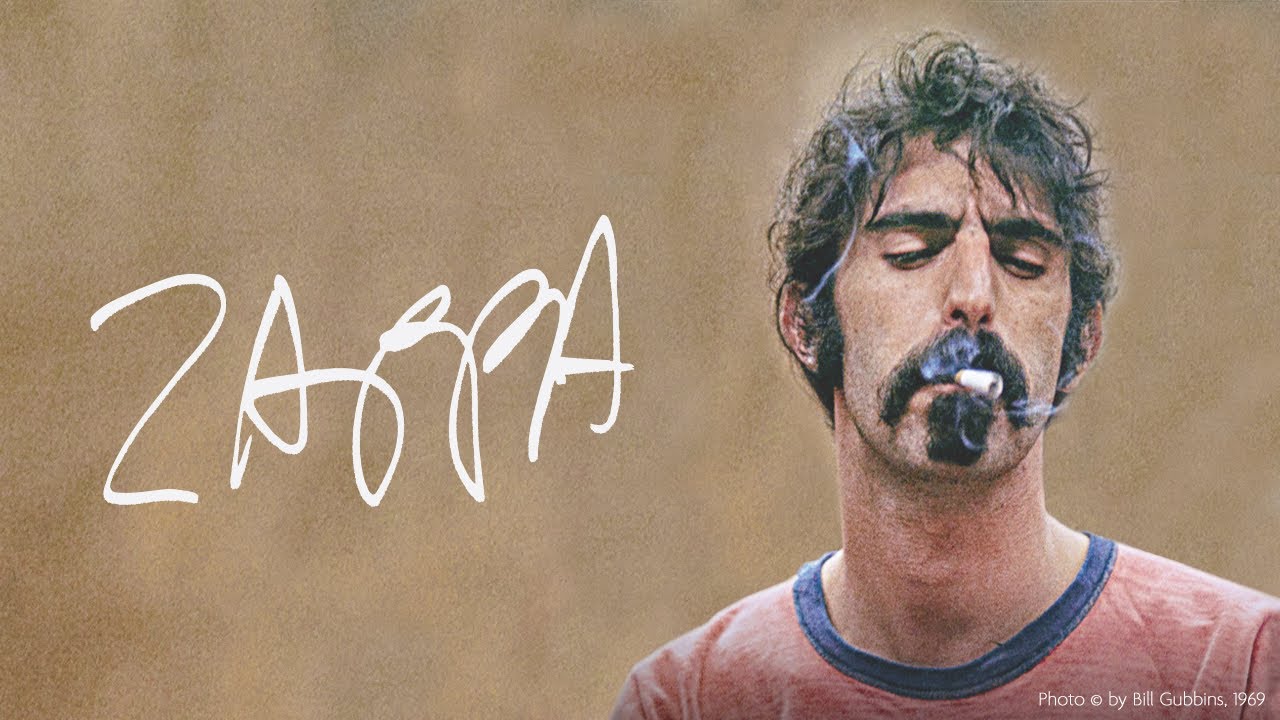
Frank Zappa, Zappa
An in-depth look into the life and work of musician Frank Zappa, from rock star to congressional educator.
In one history of the movies, Citizen Kane screenwriter Herman Mankiewicz might look like a footnote. The former playwright had a hand in many famous pictures, including The Wizard of Oz, but most went uncredited. He was the smartest guy in the room, a drunk and a gambler who was dead at 55. And his kid brother, Joe, who directed and wrote All About Eve, would go on to be the better-known Mankiewicz.
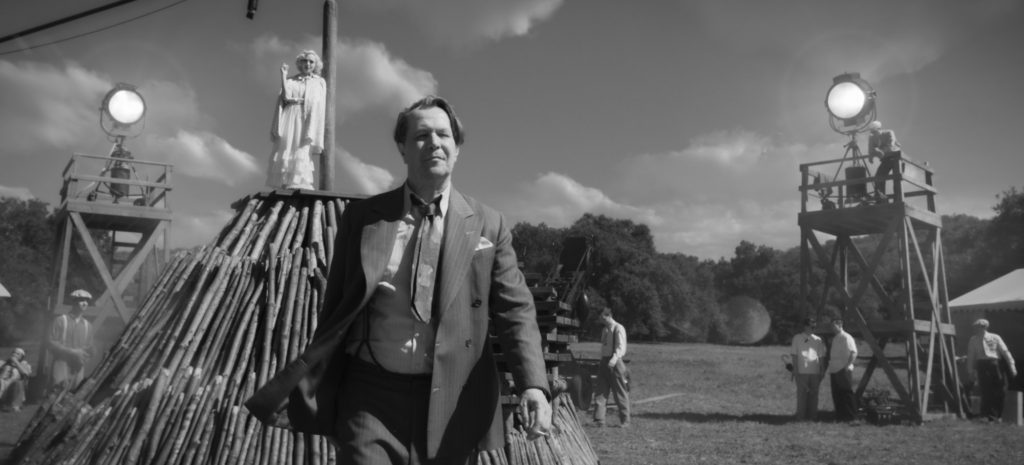
But in another version of Hollywood history, the one David Fincher tells in the glorious new film Mank, Herman Mankiewicz as portrayed by Gary Oldman was early Hollywood in all its greatness and tragedy. Working off a crackling screenplay by his late father Jack Fincher, David Fincher has made Mank into an incisive look at a complex man who was once William Randolph Hearst’s favorite dinner companion but by 43 was a Hollywood has-been — washed up and laid up while writing what would become Citizen Kane in a bungalow in Victorville in 1940.
Even though it’s filmed in black and white with a big band score (from Trent Reznor and Atticus Ross) and made to look and sound like a film of the time, this isn’t some dreamy, nostalgic writer-as-hero tale. It doesn’t take a writer to know that there’s nothing more deathly boring and uncinematic as the writing process. Nor is it a referendum on the old “who really deserves credit for Citizen Kane” debate.
Instead, Mank is about the context around Citizen Kane, the tarnished realities of Hollywood’s Golden Age, the seductive power of filmed imagery and how a man who was once a friend not just to Hearst, but to Marion Davies, too, would decide to write about them against the advice of everyone in his life.
In order to do this, Fincher flashes back to 1934, when Mank is riding high in the studio system, getting invited to all the parties, helping his little brother Joe (Tom Pelphrey) get a foot in the door and hanging around Hearst (an intimidating but warm Charles Dance) and Davies (an outstanding Amanda Seyfried). But outside of the opulence of the movie business there is the Depression going on and worldwide unrest that will soon lead to another war.
In one scene Louis B. Mayer (Arliss Howard) walks Mank and Joe through the studio lot while giving a lively speech about the “dream factory,” only to end up on a big soundstage where he tells everyone from movie stars to grips that they’ll have to take a 50% pay cut so the “family” can survive the Depression. The hypocrisy of it all is getting too much for Mank to handle with his usual sarcasm. He already believes he’s slumming it in his mercenary procession and is unafraid to speak his mind to the suits around him, who tolerate him until they don’t.
By 1940, Mank is a Hollywood exile who agrees to write a script for the 24-year-old radio wunderkind Orson Welles (Tom Burke). Bedridden from a car accident, he dictates dialogue and scribbles notes that his prim British assistant Rita (Lily Collins) puts through a typewriter.
There are more questions than answers when it comes to Mank, including why he seemed so intent on self-sabotage and why his wife Sarah (Tuppence Middleton) stayed around. Although pushing the limits of what a 43-year-old man looked like in 1940, Oldman is naturally terrific at playing the guy who refuses to suffer fools and is always ready with a comeback, but who takes it too far too often (the tragedy of the arrogant drunk).
The film is wry and observant about the movie business and all the things that haven’t changed, as well as those that have. That it’s a Netflix production is a deafening statement of its own. But it also has a beating heart thanks in large part to Seyfried’s Davies, who beautifully reclaims the life and agency of a woman who history and Citizen Kane reduced to Hearst’s showgirl mistress. Mank and Davies are kindred spirits and she is the moral compass of the ridiculous world they inhabit. When Mank is eviscerating everyone in a drunken rant, you’re looking for her reaction.
It makes the question of why he ended up writing what he did ever more vexing toward the end. Was it a paycheck? A bout of moral conscience? An attempt to burn bridges? A combination of all? Or something else altogether?
Mank isn’t interested in providing the answers, which is just as well. It’s simply telling a story about a man behind so many of our movie memories and making a new one in the process. And it is one of the year’s best.
This is a true story. The events depicted occurred in Hollywood in 2020. At the request of Accuracy, the names have not been changed. Out of respect for the Truth, the rest has been told exactly as it occurred. And lots of spoilers.
Perhaps the past really is prologue. By almost every metric, Fargo‘s fourth season, which concluded Sunday night, got the show back on track.
After two brilliant seasons and some unattainable expectations, the third installment of the anthology series felt like an inevitable disappointment last year. Critic response was lukewarm, and audience reaction lacked the fanboy frenzy of most Coen Bros. projects.
So the rebound isn’t wholly unexpected, and the fourth series still pales in comparison to its two prodigious predecessors. Still, the latest iteration suggests that Fargo the TV series may be up to something as brilliant as Fargo the taproot film. Namely, that creator Noah Hawley may be slyly piecing together stories of a single book whose chapters have been placed out of order.
That possibility became clearer with a Season 4 finale, Storia Americana, that is actually a prequel hand-off from Season 2, arguably the best season in the series this far.
And the newest season raised the tantalizing possibility that Hawley is making an adaptation of the fictional anthology The History of True Crime in the Mid West, a book that plays a noticeable role this season and in Season 2. Could all four tales be part of a single story?
The fictional book that’s appeared in two seasons.
After all, Hawley employed a similar crossover between Seasons 1 and 3: the deaf hitman Mr. Wrench. Distributing network FX has taken pains to make it clear: Each season is a standalone creature.
But could the next chapter (television gods willing) of Fargo reveal a larger tale? The Coens (who serve as executive producers) are nothing if not fond of layered stories. And Hawley appears untethered by network constraints to tell a quirky tale (this season ran 11 episodes instead of 10, and episodes routinely ran longer than an hour).
Mr. Wrench in a crossover role.
All of which begs the question: Is Hawley creating a larger “true crime” story in an homage to the brothers, gift-wrapped with Coen-like chronology leaps?
Season 4 is set in Kansas City, a key location in Season 2, and serves to document the formative years of rising crime syndicate boss Mike Milligan.
Other season-jumping Easter eggs this year: Joe Bulo, who is Milligan’s boss in Season 2, is a young thug who learns firsthand that the family crime business is dying; Mort Kellerman, the K.C. crime boss killed in Season 2, delivers an assassination of his own this year; and this season’s protagonist, Loy Cannon (Chris Rock), drops a Milligan quote in assessing how locals treat outsiders: “Pretty unfriendly, actually.”
Above: Joe Bulo, left, gets lessons in thuggery. Below, Mort Kellerman, right, delivers on.
It’s those inside jokes that underpin the series, which is, ultimately, a collection of Coen Brother tribute videos. Season 4 had plenty of discography nods, including No Country for Old Men, Raising Arizona and, in particular, Miller’s Crossing.
Gabriel Byrne in Miller’s Crossing, left, Chris Rock in Season 4, right.
The young Milligan is a boy named Satchel Cannon (Rodney L. Jones III). He’s haloed by a clipped-wing nightingale known only as Rabbi Milligan (a terrific Ben Whimshaw). The poetic pairing of outcasts would merit a future name change to whatever you damn well please.
Satchel and Rabbi, left. Mike Milligan, right.
As usual, Hawley peppers each season with film-school level references to the Coen Brothers. He treats the duo with Kubrickian reverence, and the result is near-film-quality adoration. A “bad” Fargo episode is better than most shows’ best day.
And this season had plenty of good days, including the entire Wizard of Oz tribute episode East/West (no. 9) and the recurring ghost of Theodore Roach, the gnarled demon of slave ships past who haunted this season’s darkest scenes.
The show had a few missteps: There were a few too many characters to keep track of this time around, and the story made logic leaps previous seasons wouldn’t have attempted.
But the season finale, which ended on a beautiful surprise post-credit scene, brought the show so far back (or forward?) in its origins story it’s hard to think a larger tale isn’t unfolding.
And considering Hawley and company pulled this season off in the middle of a pandemic — when we most needed thoughtful, scripted television — it really doesn’t matter whether Fargo is a true story or not. As long as it’s a continuing one.