PunākhaI just finished a marathon of ‘Breaking Bad’… I’ve never seen anything like it, it’s brilliant.
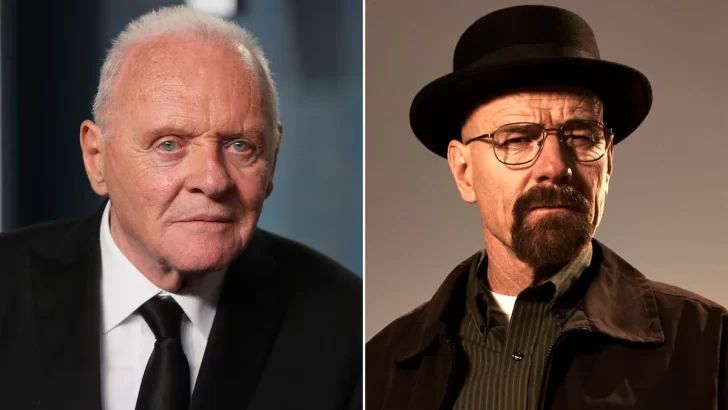
Your performance as Walter White is the best acting I’ve ever seen… From what starts out as a comedy, it descends into a labyrinth of blood, destruction and hell. It’s something like Jacobean, Shakespearian or Greek tragedy.
Thank you so much. This kind of work/art is rare, and when, from time to time, it happens, as in this epic work, it restores confidence.
You and the entire cast are the best actors I’ve ever seen…
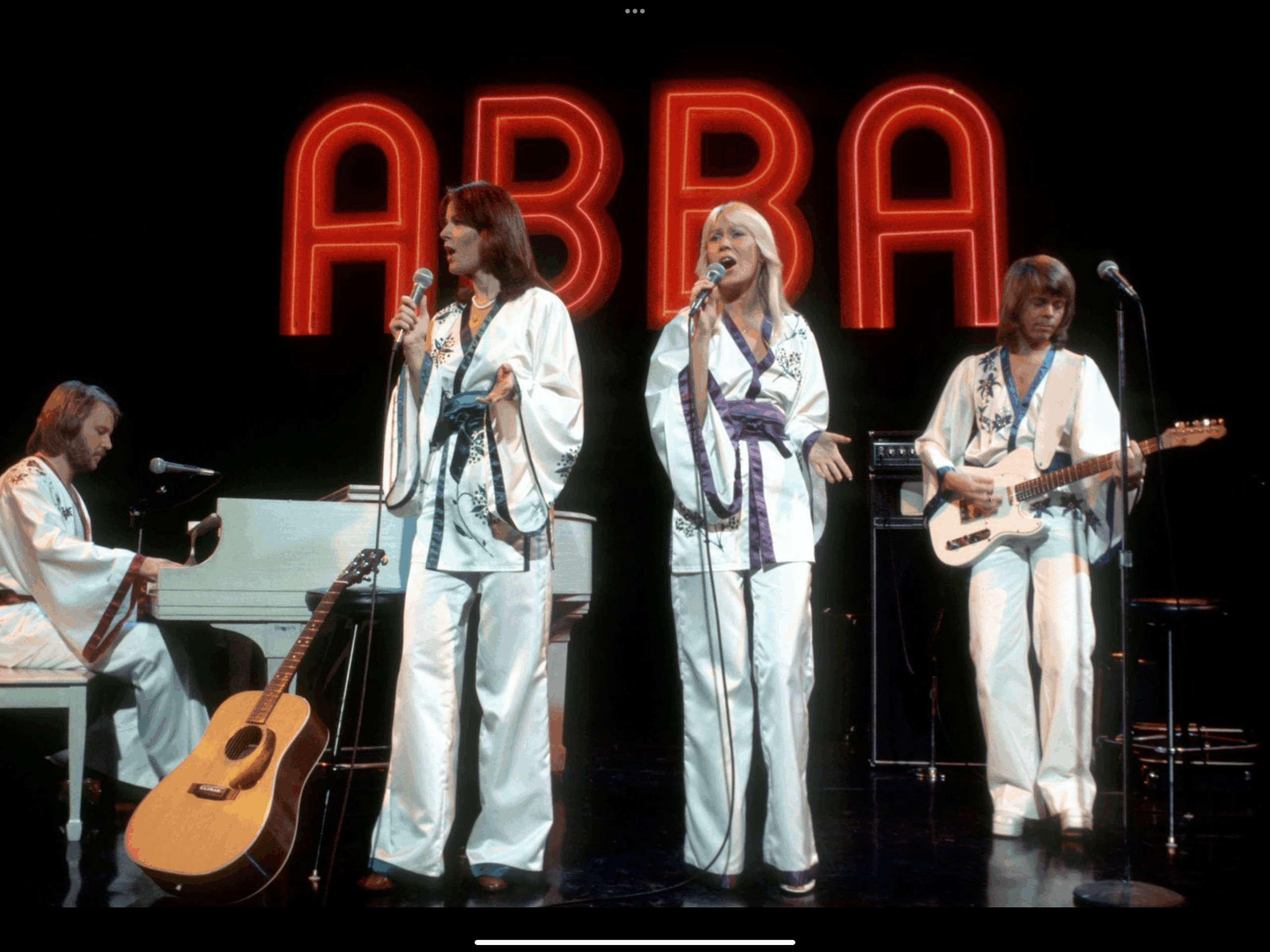
ABBA is back. Or more accurately, ABBA never left.
More than four decades after the Swedish pop juggernaut disbanded in 1982, the disco darlings are conquering Spotify—and TikTok—with the same glittery gusto that once captivated roller rinks and teenage bedrooms.
This week, “Gimme! Gimme! Gimme! (A Man After Midnight)” crossed one billion streams on Spotify, joining “Dancing Queen” in the platform’s Billions Club. But here’s the plot twist: half of those ears belong to Gen Z, the generation born between the late 90s to early rens.
How do you explain that? What is it about ABBA that has Gen Z swooning like it’s 1979?
For a generation raised on hyper-processed pop and algorithmic playlists, ABBA’s catalog offers something radical: sincerity. The music may sparkle with disco flair, but the emotions underneath—yearning, heartbreak, euphoria—are raw and real.
There’s no irony in “The Winner Takes It All,” just devastation dressed in satin. And Gen Z, for all their online wit and digital fluency, crave that kind of vulnerability.
But there’s more to this intergenerational love affair.
First, there’s the sound. ABBA’s arrangements are lush, their hooks undeniable. In a music space of minimalist bedroom pop and trap beats, the maximalist sheen of ABBA feels refreshing.
Songs like “Lay All Your Love on Me” and “Super Trouper” overflow with harmonies, strings, and synths. Even “Gimme! Gimme! Gimme!,” a plea for companionship, gallops forward like a dopamine train.
Second, there’s the aesthetic. Gen Z didn’t invent vintage, but they perfected it. From fashion to fonts to filters, they’re remixing the past with 21st-century savvy.
ABBA’s sequins, flared pants, and glam stage presence fit perfectly into the digital nostalgia carousel. On TikTok, “Gimme!” has become the soundtrack for choreographed dances, makeup transitions, and tongue-in-cheek thirst traps. It’s disco as meme, and ABBA—knowingly or not—gets the punchline.
Third, there’s the story. Gen Z loves a saga, and ABBA has one. The romantic entanglements, the dramatic breakups, the against-all-odds reunion—all of it is rich with emotional lore.
Add in the theatricality of Mamma Mia! (both the musical and film franchise), and you’ve got a full-fledged mythology.
Spotify confirms that in 2025, Gen Z accounts for a whopping 50% of all ABBA streams. That’s over 11 million young listeners discovering the group for the first time—half of all new ABBA fans. And they’re not just playing the hits. Tracks like “Chiquitita” and “Money, Money, Money” are climbing Gen Z’s most-streamed list, suggesting the deep cuts resonate, too.
There’s a beautiful irony in it all. ABBA, long dismissed by critics as bubblegum fluff, now stand as emotional sages to a generation searching for meaning in the mess.
Their music is kitschy and deep, ridiculous and profound—sorta like life. When the world feels as unstable as a disco ball on a ceiling fan, maybe ABBA offers something stable: four voices in harmony, singing their guts out.
Turns out, going full MAGA might be good for a few clicks—but not for business.
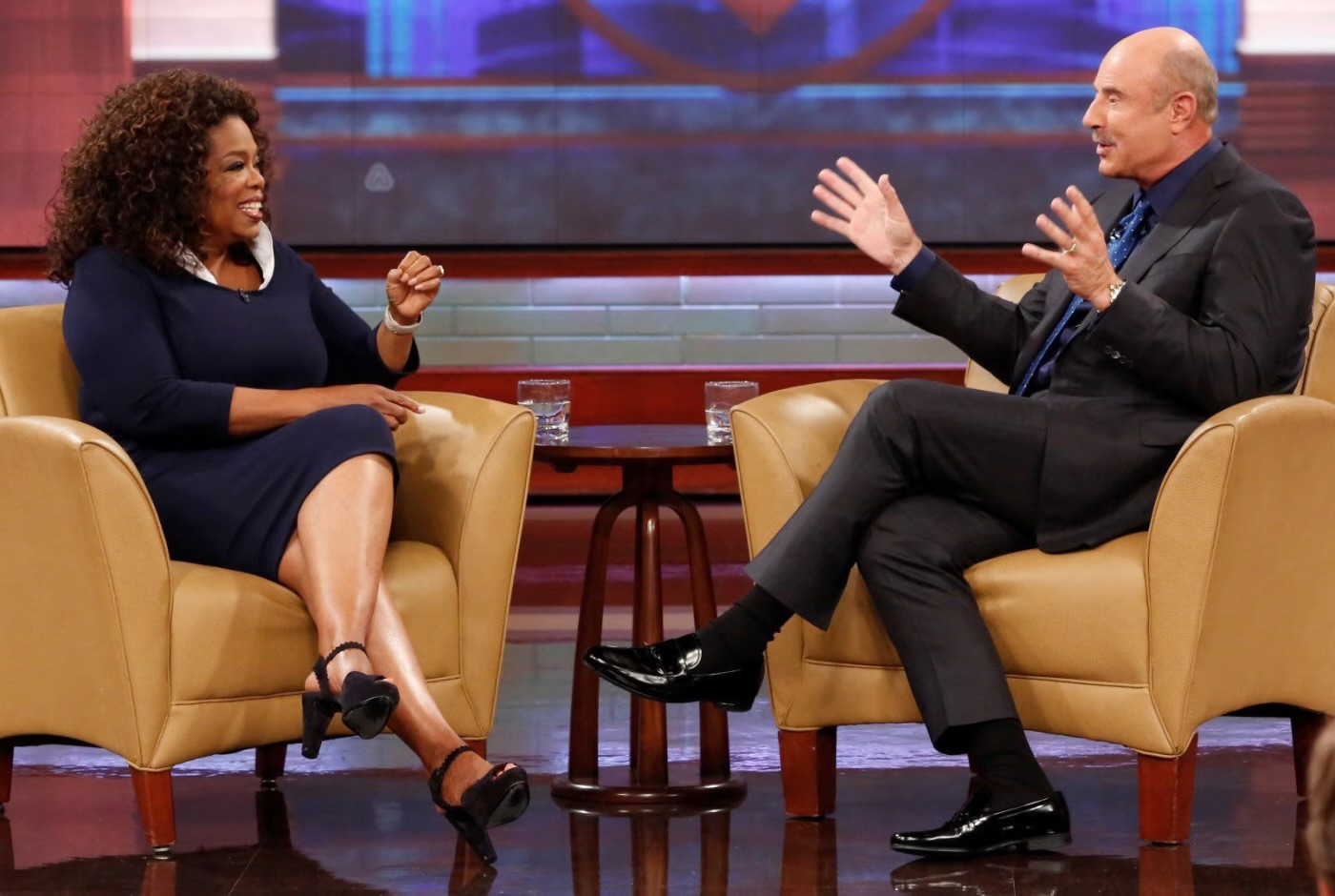
Dr. Phil McGraw, once the mustachioed therapist turned daytime juggernaut, is learning a hard lesson about politics and pocketbooks: when you throw your chips behind MAGA, you better know the house always loses eventually.
His media company, Merit Street Media, filed for Chapter 11 bankruptcy just a year after its launch, following a very public pivot into right-wing infotainment.
Billed as a “common-sense” alternative to mainstream media, the venture pushed a familiar cocktail: grievance, fear, anti-woke posturing, and a steady flirtation with authoritarian-adjacent messaging. It rode the Trumpian wave with vigor—and sank just as fast.
And so it goes.
It’s not the first time a celebrity has attempted to surf the MAGA wave into relevance. Roseanne tried. Kanye tried. Tim Allen keeps one foot in the water.
The right-wing grift economy is real—just ask the folks who rake in millions from outrage podcasts, donation-funded “documentaries,” or “patriot survival kits.” But there’s a difference between feeding the machine and being consumed by it.
Dr. Phil didn’t just wink at the base. He jumped in with both boots and a Texas drawl. Gone were the days of pseudo-therapy and stage-managed family drama. In came “citizen journalism,” culture war crusading, and lawsuits.
One year later, his network is insolvent, his credibility further eroded, and his Trump-aligned audience already moving on to the next firebrand with a microphone.
Why does this keep happening? Why does “going full MAGA” burn so hot and crash so hard?
Because MAGA is not a political movement—it’s a bonfire of anger. It is fueled by fury, sustained by delusion, and hostile to the concept of loyalty. Even its most visible mouthpieces aren’t safe: Tucker Carlson was exiled. Candace Owens is skating on ever-thinner ice. Donald Trump, the movement’s deity, routinely torches his most devoted allies when they dare to eclipse him in relevance.
What makes the movement dangerous isn’t just its politics—it’s the totality it demands. You don’t get to be “a little MAGA.” You’re either in the cult or out of the frame.
And that’s the problem for those like Dr. Phil, who mistake mass appeal for mass approval. MAGA doesn’t want thoughtful discussion. It wants bloodsport. Once you’ve fed the beast, it expects dinner every night.
The media graveyard is littered with those who tried to ride the lightning. Glenn Beck’s TheBlaze crashed. Newsmax has shrunk. OANN was dropped by most cable providers. Even Fox News found itself under MAGA siege after the 2020 election. No amount of flag waving or fear-mongering could shield them from the wrath of a base conditioned to believe betrayal is inevitable.
And betrayal cuts both ways. When your audience sees nuance as weakness, bankruptcy is just another form of apostasy.
Phil will likely rebrand. He’s already talking about a comeback—another media company, another swing at citizen-powered content. But the numbers don’t lie: MAGA may be loud, but it’s not loyal. It’ll cheer while you torch the institutions, then vanish when you start to sink.
Grievance may sell for a while—but it rarely pays the bills.