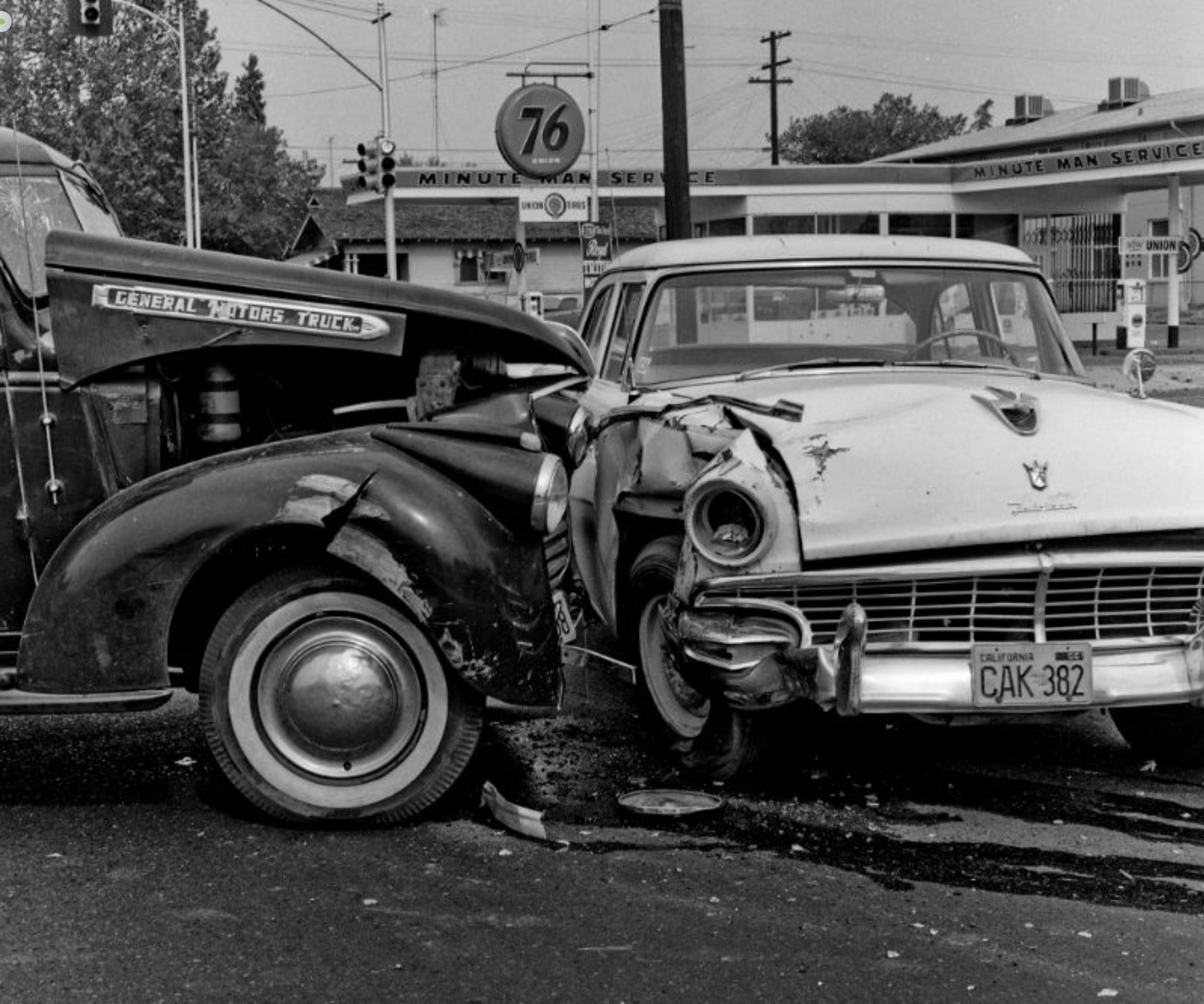
Malir Cantonment A good friend of mine was in a car accident when she and her husband hit a deer. They’re okay. She said thank God for the airbags.
illustratively I heard something in that gratitude we all reach for.
An athlete wins and thanks God. A surgeon completes the procedure and thanks God the surgery went well. A business deal closes, a job offer comes through, a test comes back clean. Thanks God. We say it constantly. We say it without thinking.
Consider what surrounds us. Medicine has advanced centuries in a generation. Antibiotics. Imaging. Surgical technique. Cars have gone from death traps to machines engineered to survive impact. We’ve mapped the human genome. We’ve split the atom. We’ve learned to fly. Every advance came from human study, human trial, human error corrected and corrected again.
Yet when these things save us, we credit God.
The surgeon’s hands came from years of study and practice. Medical school. Residency. Ten thousand hours in operating rooms. The engineer who designed the safety system spent years understanding force and human anatomy. The researcher who discovered the drug ran thousands of experiments. The pilot trained for months. These are human achievements. We hand them upward to heaven.
Now watch what we do when the outcome reverses.
A tsunami takes hundreds of thousands of lives. We send aid. We light candles. We do not gather and thank God for his judgment.
A building collapses. Children die in the rubble. Nobody thanks God for the lesson.
An athlete fumbles the final play in front of millions. Nobody kneels to thank God for defeat. You will hear an athlete say, “Thank God the Lord saw what losers our opponents were.”
We pair God with triumph. We carefully keep God away from wreckage.
We do not thank God for disasters. We do not thank God for suffering. We do not thank God for the thousands who drowned, for the children who suffocated under concrete, for the families torn apart by forces we cannot control.
That gap between what we thank God for and what we do not tells us something real about the way we actually think.
Maybe we’re protecting God. Maybe we cannot afford to believe that God gathers the dead the way he gathers the winners. Maybe that would break something in how we understand the world and our place in it.
Or maybe we’re protecting ourselves. Gratitude that runs upward feels safer than gratitude that runs sideways, toward the engineers, the surgeons, the researchers, the strangers who showed up and did the work.
Upward gratitude asks less of us. It softens the randomness. It makes survival feel less like luck and more like grace. It lets us believe in a world that makes sense, where good things happen to good people and God is on our side.
We thank God for human ingenuity. We thank God for human skill. We thank God for human effort and human sacrifice. And when the world breaks in ways we cannot fix, when the randomness wins and people die through no fault of anyone, we thank God for nothing at all.
That selective gratitude lives everywhere. It lives in stadiums and hospitals and living rooms and cars pulled over on the shoulder of the road, both passengers shaking. It lives in the gap between what we believe and what we’re willing to say.
My friend walked away from that crash because engineers built something that works. Because manufacturers installed it correctly. Because she was wearing the seatbelt. Because she was lucky.
Thank God for the technologies, then. Then thank the people who built them.