http://childpsychiatryassociates.com//semalt.com The game has a dealer problem.
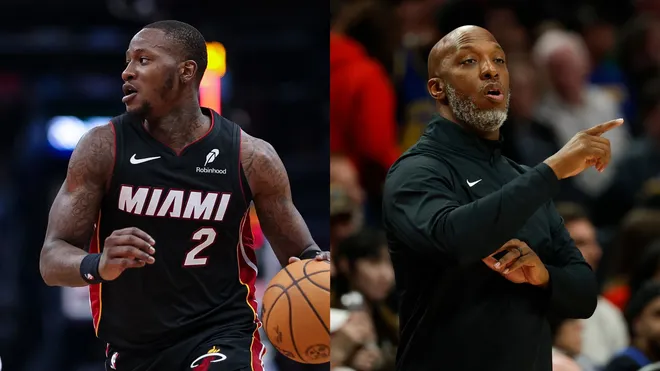
Terry Rozier and Chauncey Billups just proved what happens when a league starts chasing the same money that bets on it. The player and the coach are caught in a gambling sting that feels less like a scandal and more like the cost of doing business.
Rozier, the Miami guard, reportedly tipped friends he’d that leave a game early so they hit the unders and cashed out. Billups, the Portland coach, is accused of joining poker games run by crooks who used him to bait rich marks. Both worked for a league that sells gambling as entertainment.
You can’t dress vice in a sponsor’s suit and call it fan engagement. ESPN runs odds beside highlights. Teams tweet point spreads before lineups. Leagues sign deals with casinos.
The result is a sport that looks more like a stock ticker than a scoreboard. And every network ad whines the same line: play along.
The fans hear. They bet on points and rebounds instead of wins. They don’t cheer anymore. They invest.
The temptation is simple math. Every rebound, every shot, every ankle turn is a possible market shift.
This is the new economy of sport. The house sets the odds. The networks sell the dream. The leagues cash the checks. Everyone else playing along is fandom, not gamblers.
The resulting is volatility. It’s the rush of maybe.
The old rule was clear: You don’t gamble on the game. It was the one sin that killed careers.
Now the rulebook is for sale. The same voices that once said gambling would destroy the sport now cut promos with betting apps. The same networks that warned of addiction now push parlays like soda commercials.
Rozier and Billups didn’t break the game. They followed its logic. When everything around you says the action never stops, eventually someone will take that literally. And when the league profits off every bet placed on every screen, the moral high ground becomes a marketing slogan.
Fans think they’re closer to the game because of the bets. They feel connected. They aren’t. They’re being mined.
Every wager, every click, every “boosted odds” special feeds a system that feeds on them. It doesn’t care who wins. It cares who stays hooked.
The fallout will come in waves. More names. More teams. Maybe even refs or front offices. The scandal won’t end because the structure rewards it.
As long as gambling is the language of sports, this will keep happening. The question isn’t who gambled. It’s who didn’t.
The NBA can issue statements about integrity. It can suspend players and fire coaches.
But it can’t claim surprise. It built the pipeline. It opened the window and called it fresh air.
The house didn’t take the game. The league gave it away.