Aso America’s most dependable service is the excuse.
Your payment fails, and the bank regrets the inconvenience. Your flight cannot leave, and someone thanks you for your imposed patience.
The institution has a technical problem. You have a bill.
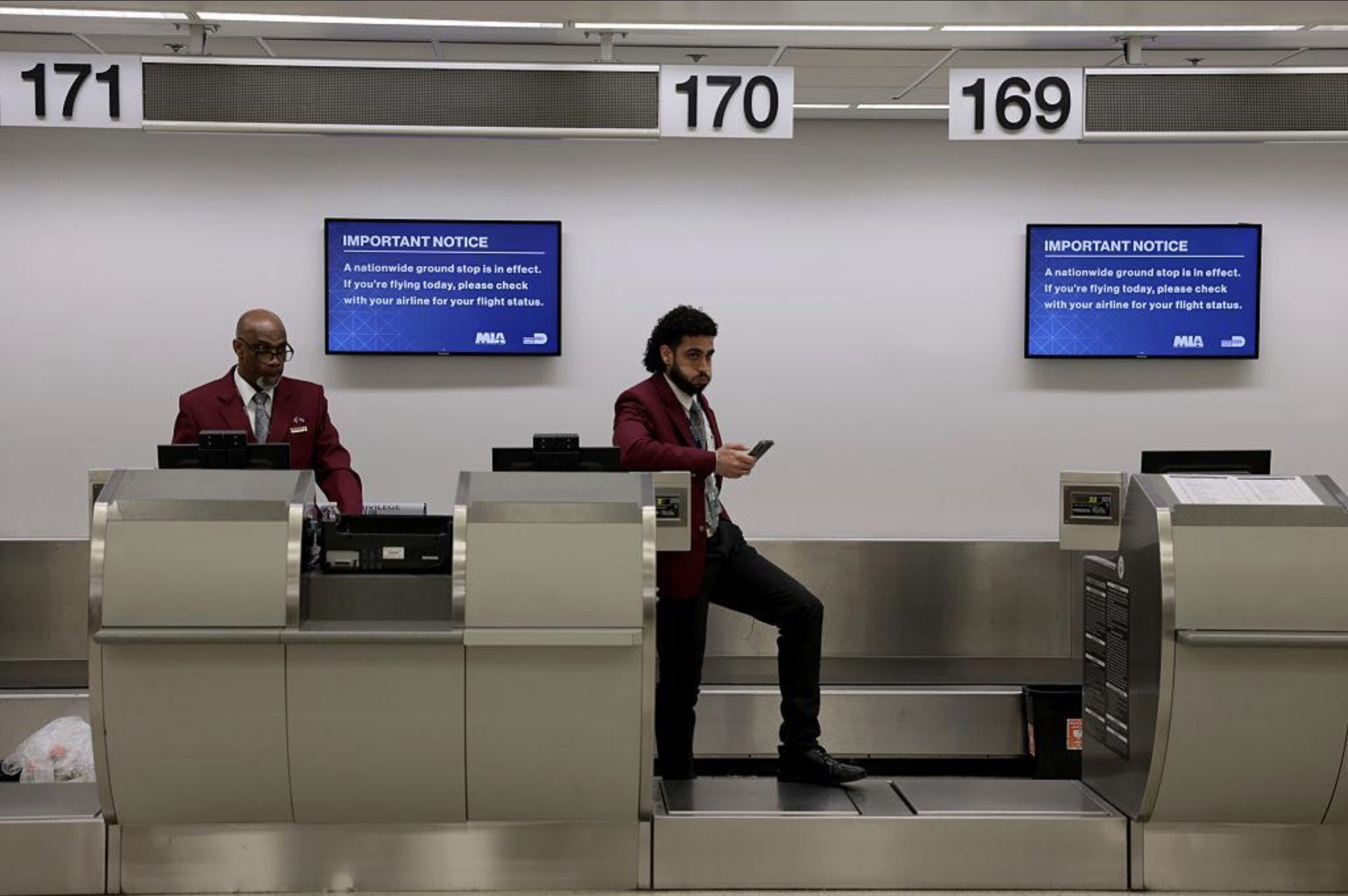
Last week, Microsoft’s outage disrupted email and workplace software before Friday’s FAA network failure halted departures nationwide. Monday brought banking disruptions that interfered with account access and payments, followed by a United Airlines system outage that delayed departures again. In five days, essential services repeatedly stopped working, leaving customers to rearrange their lives.
We pay for convenience. Increasingly, we also pay for its absence.
A bank expects you to meet its deadlines regardless of what went wrong in your life. When something goes wrong inside the bank, it asks you to understand. An airline tells you when to arrive and what missing that deadline will cost. When its operation breaks down, your plans become negotiable.
The customer’s obligations remain firm. The institution’s become a request for more time.
The causes of these failures require investigation. Statements from the organizations responsible are claims to examine, and the people issuing them have a stake in where the blame lands.
We already know enough to demand accountability. People paid for services they could not use. Some lost working hours; stranded travelers faced expenses while waiting to get home.
Whether a contractor botched an installation or equipment malfunctioned matters to investigators. Either way, the passenger still needs somewhere to sleep.
An explanation can identify what broke. It cannot reimburse a hotel bill.
Yet the public keeps getting explanations when it needs remedies.
Consider a worker whose rent payment will not go through. The landlord still expects the money. A business waiting for a transfer still has expenses coming due.
The institution has employees to explain the failure. The customer gets another errand.
Even the language asks us to accept less. “Temporary” describes the malfunction, with no accounting for the damage that outlasts it.
Service can resume while a passenger remains stranded. Email can return after a business has lost hours it cannot bill. The company announces recovery. The customer keeps recovering.
Those costs belong in the accounting. Every hour customers spend fixing a company’s failure is an hour that company has taken from them.
Reliability requires spending before something breaks. Spare capacity has a purpose even when it sits unused, and testing takes time even when executives want something launched.
Customers must demand reimbursement for expenses the operator caused. Government should require essential services to demonstrate that their backups work under pressure.
Give the people running these systems a financial reason to care about the consequences.
An apology costs less. That helps explain its popularity.
We have accepted an absurd division of responsibility: customers must prepare for institutions to fail, while institutions ask for patience when they do.