They asked how long you’d like to live. You said, a little more. They all say more. As if forever were a sunrise you could pocket.
But forever is not light— it’s the absence of endings. No curtains. No finales. Just a sky so wide it forgets your name.
The faithful call it heaven, a kingdom without clocks, where no one dies and no one leaves. But even gardens rot when no one’s allowed to shut the gate.
You will pray for hunger. For grief. For something that hurts. Because hurt is proof you still belong to something fleeting.
But in forever, you outlive your gods. Outlast your sins. You become the last echo in a chapel that will not collapse. What is the reward in a story that caanot end?
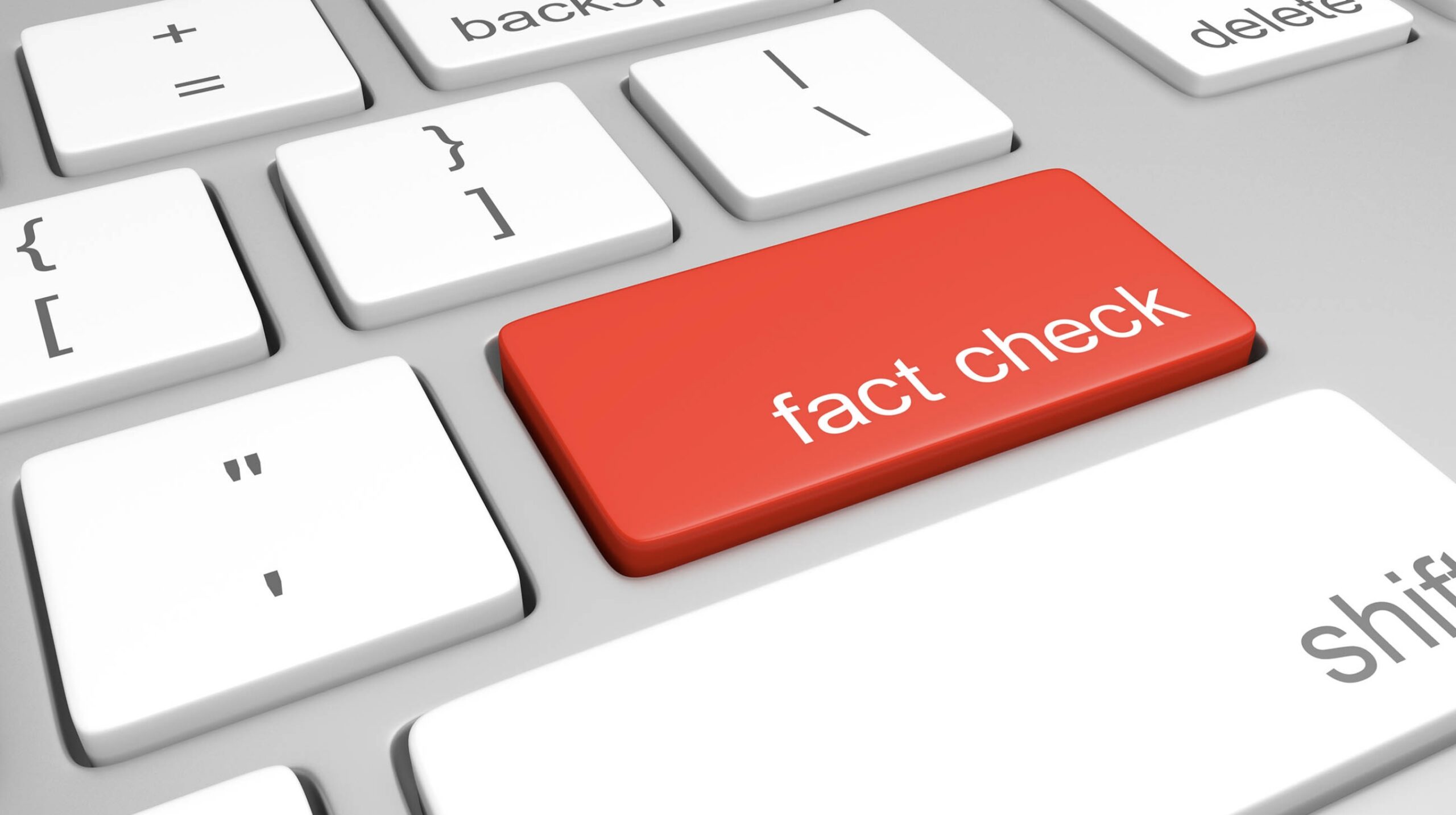
If journalism is the first rough draft of history, fact-checking is the red pen that keeps it honest. Whether you’re a reporter, a researcher, or just tired of Facebook bullshit, learning to fact-check is a non-negotiable skill in the Disinformation Age.
Here’s how to do it right.
🔍 1.
Start With a Clear Claim
Before checking anything, identify exactly what you’re checking. Break the claim into bite-size components. Example:
“Vaccines cause autism and were created to track people.”
Break that down into:
Do vaccines cause autism?
Were they created to track people?
Is there any tracking mechanism in vaccines?
Start here. Precision is power.
🌐 2.
Check Reputable Primary Sources First
Don’t Google to confirm your bias. Instead, go to the source:
Government & Politics: official government sites (.gov), CBO, GAO, Congress.gov (even though you’ll get bullshit, know the formal line).
News: AP, Reuters, BBC, NPR (for now), ProPublica
History: National Archives, university libraries, JSTOR
And yes, Wikipedia can be a decent starting point, but never an ending point.
⚖️ 3.
Cross-Verify With Multiple Sources
One article isn’t gospel. Look for independent agreement from at least two credible, unaffiliated sources. If they all point to the same conclusion, you’re on solid ground.
Look especially for:
Date of publication (Is the info still relevant?)
Author expertise (Is this person qualified?)
Bias detection (Does this source profit from spinning the story?)
🧠 4.
Know the Red Flags of BS
If any of these show up, proceed with extreme skepticism:
“They don’t want you to know this…”
No byline or source citation
URLs ending in “.co” or strange domains
Outrage-based headlines in ALL CAPS
Grainy screenshots of tweets passed off as “news”
Emotion is the currency of misinformation. If it makes your blood boil before it makes you think — pause.
Archive Searches: Wayback Machine (to see deleted or edited pages)
Domain Checkers: Whois Lookup (to see who’s behind a sketchy site)
Bot Detection: Bot Sentinel for social media trolls
🗣️ 8.
When in Doubt, Ask an Expert
Email or call a professor, a researcher, a public official. Experts — real ones — usually welcome clarity.
🧾 9.
Document Everything
If you’re publishing or sharing, always link to your source. Keep screenshots of edited or deleted material. Receipts matter.
🧨 10.
Be Willing to Be Wrong
The hardest part of fact-checking isn’t doing the research. It’s updating your own beliefs when the facts demand it. You’re not here to win an argument. You’re here to find the truth.