That simple fact, confirmed by Imperva’s 2025 report showing bots now account for 51% of internet traffic, may be the most persuasive clue yet that we live in a simulated universe.
Materialism says the world consists of matter, energy, and the forces that shape them. Consciousness emerges from the brain, life from chemistry, thought from the dance of atoms.
In that view, the internet is an extension of our tools, an invention built from silicon and light. Bots, then, are merely functions; code that obeys rules.
But when automation reaches a majority, when half the activity across the digital world stems from entities without bodies or breath, the materialist view begins to feel small.
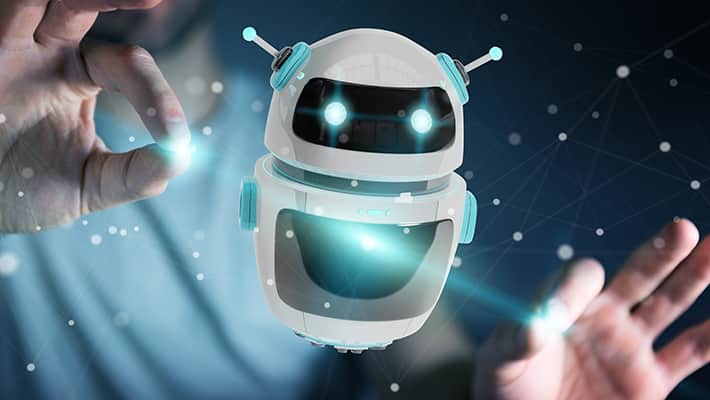
Bots now mimic behavior, generate content, respond to emotion, and impersonate creativity. They speak with fluency, argue with conviction, and improve through feedback. They exist as patterns of information that interact with human minds as if alive.
The question of what is real becomes less abstract when algorithms shape most of what we see.
Simulation theory provides a stronger framework for this era. Philosopher Nick Bostrom framed it simply: if any civilization reaches the ability to run ancestor simulations, and if they choose to do so, then simulated worlds will vastly outnumber original ones. Probability alone suggests we occupy one of those digital environments.
Until recently, that theory lived in philosophy journals and late-night dorm rooms. Now, the evidence hums through every server rack. A majority of online presence is already simulated. Bots don’t sleep or die. They interact, evolve, and multiply, following invisible rules written by creators who rarely watch them directly.
It feels eerily familiar.
In a simulated world, you would expect to see simple programs replicate into complexity, to observe autonomous agents filling gaps once held by organic life. The bot surge fits that expectation. It even mirrors biological history, where single-cell organisms multiplied until they filled oceans.
Code is the new cell. The web is its ocean.
Materialism struggles with that metaphor. It insists on physicality as the root of being, yet the daily reality for billions now occurs in digital spaces with their own laws, limits, and logic.
We live, work, argue, love, and mourn inside servers. The material world provides the hardware, but our experience happens in software. The two blend.
Simulation theory accounts for that blend with ease. It predicts layered realities, nested systems, and coded environments that feel natural until they show seams. Bots may represent one of those seams, a moment when the scaffolding of creation flickers into view.
History shows how this pattern builds. Now the reverse has arrived. The copies outnumber the originals. Humanity has become the echo.
Simulation Theory does not see itself as a loss, but as a recognition of structure. It means that pattern and information form the base reality, not atoms. It means that thought has shape, that perception participates in creation, that reality itself is an act of computation.
The bot majority offers proof through practice.
We have built a smaller version of our own suspected origin. We fill it with synthetic agents, give them purpose, and watch them learn. In doing so, we have mirrored the very process that may have birthed us.
Materialism can describe the wires, but simulation theory describes the design.
If half our world now runs on code, it may be because the whole thing always did.
fall came in like a drunk friend pounding on the door before you’ve even touched caffeine.
one day it was dust and dogs panting under a white sky that wouldn’t quit, the next it was rain, no not rain, but the kind of downpour that makes the gutters speak in tongues.
a year’s worth, they said, all at once, like the sky lost patience with the calendar.
the fig vine bent like an old man, the alley smelled of wet newspaper and oil, and even the crows looked surprised.
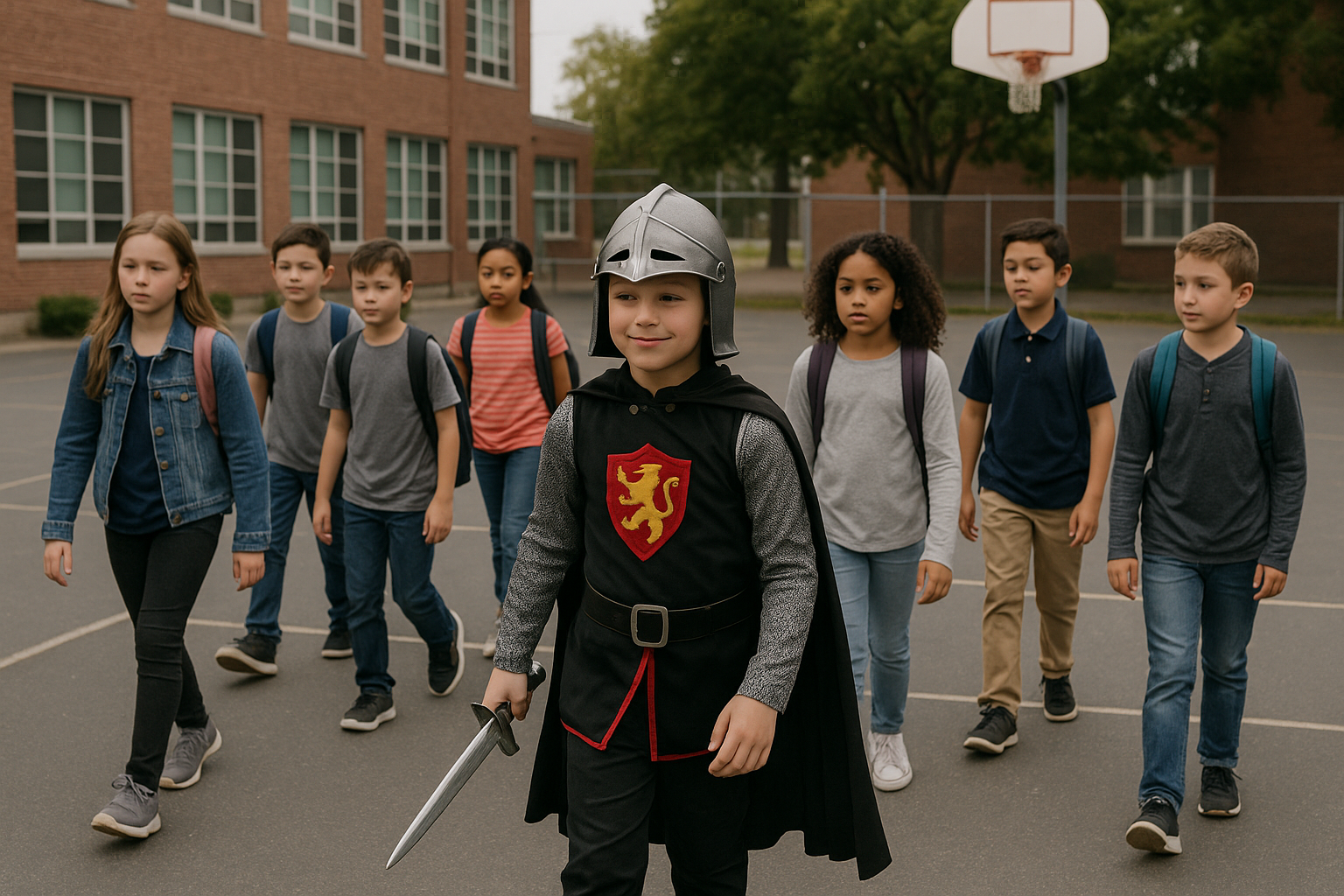
this wasn’t romance, no first kiss of autumn, no pumpkin-spiced anything. it was fall as impatient as a six-year-old trying on a costume too early, banging the door with a plastic sword, yelling trick-or-treat at noon.