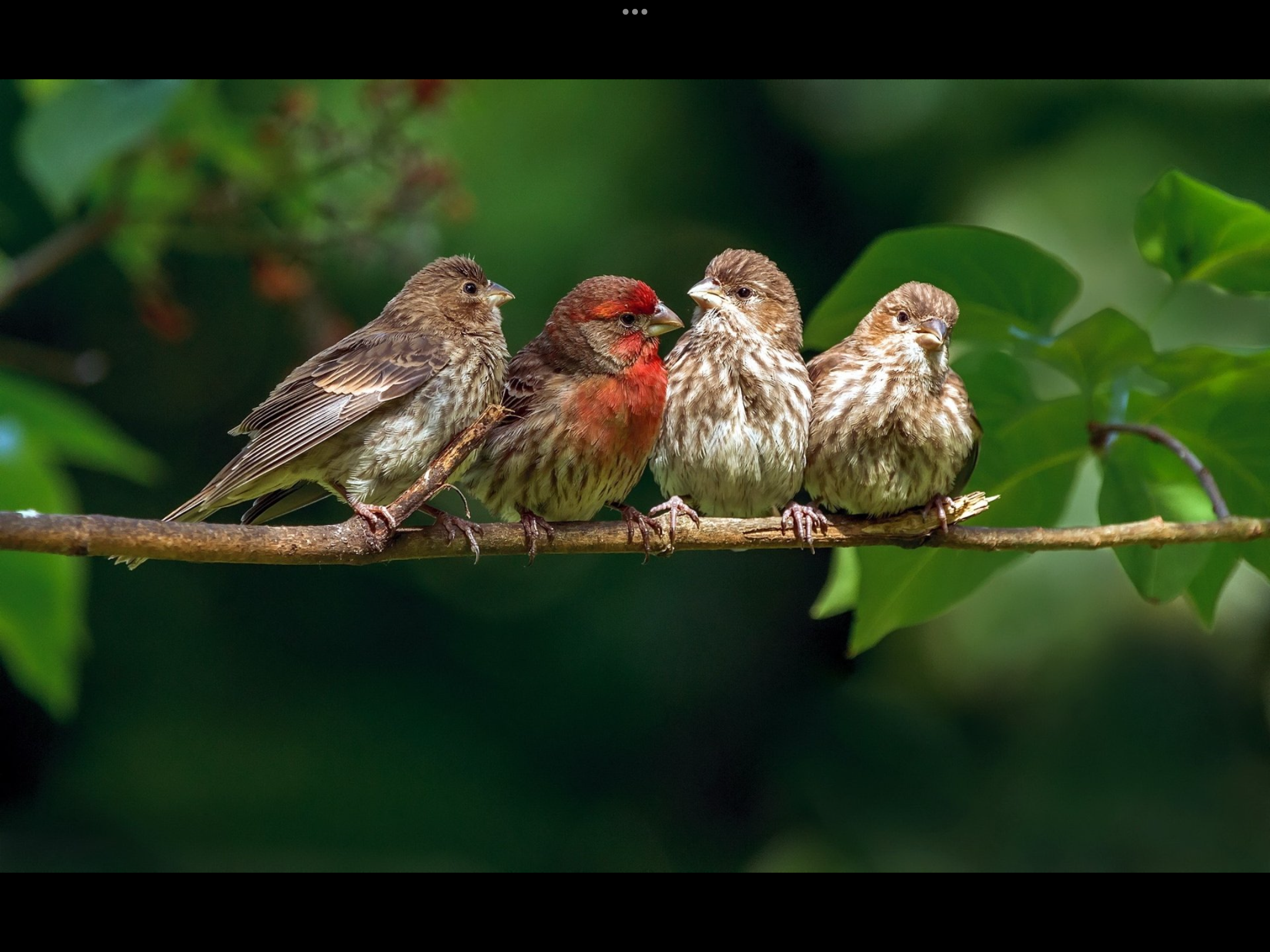
Or maybe it was me. But either way, a branch shook, a wing flinched, and I remembered how many kinds of flight begin in stillness.
There was no music. No lesson. No divine interruption— just the quick tilt of a feathered body against the morning, like punctuation of a sentence I hadn’t finished.
I almost forgot to open the door. But I did. And the air smelled like something I used to believe in.
The bird was gone by then, of course.
But the branch still moved.
And in that small sway was a question I didn’t need to answer. Just feel. Just carry.
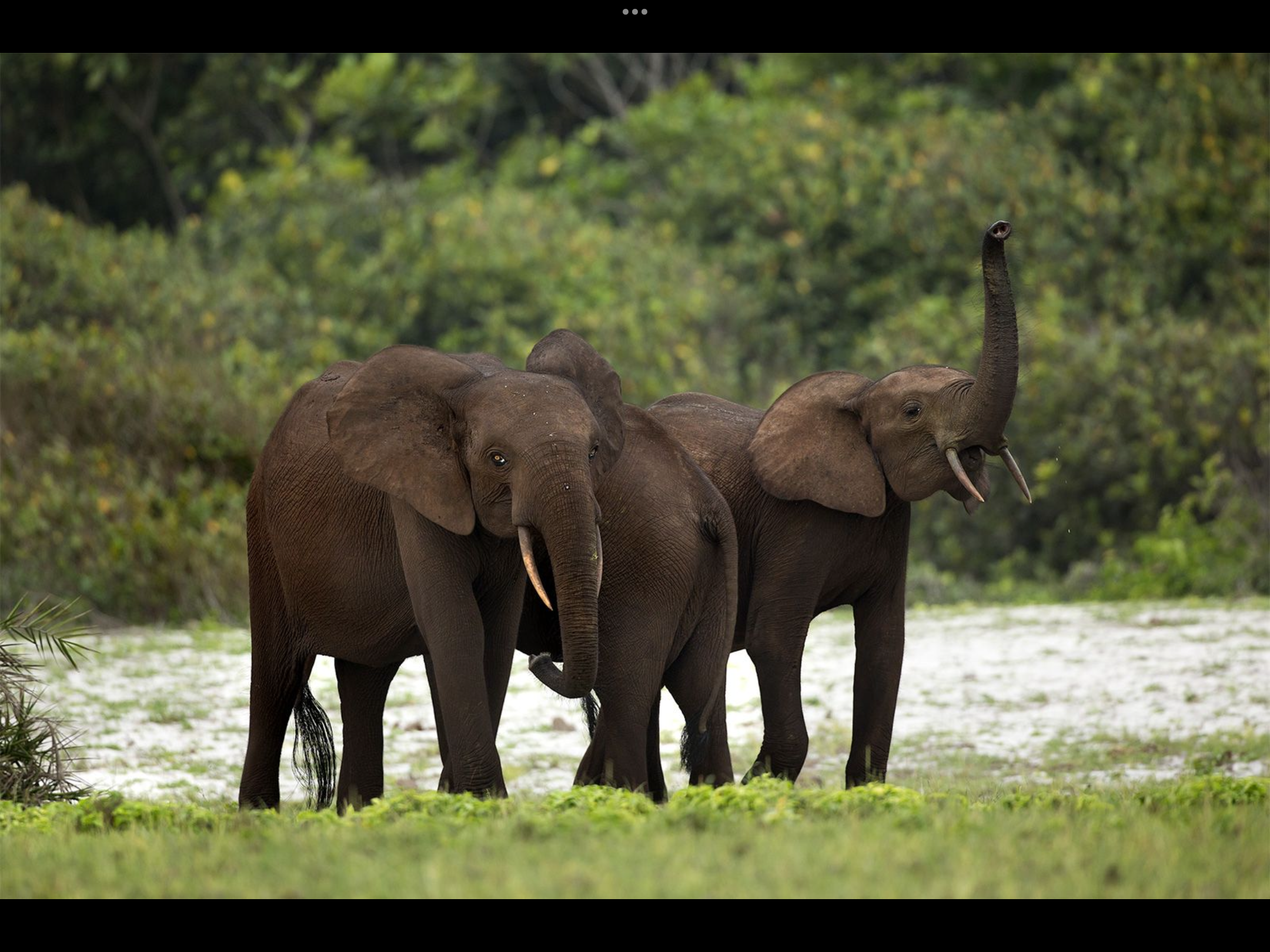
can you buy disulfiram over the counter in uk Largest Land Mammals: African elephants are the largest land animals, with adult males weighing up to 15,000 pounds and standing about 13 feet tall at the shoulder. Massive Appetites: Elephants can consume up to 600 pounds of food daily, though 250–300 pounds is more typical. Inefficient Digestive Systems: Despite their large intake, elephants digest less than 50% of their food, leading to frequent defecation—12 to 15 times a day, totaling around 220–250 pounds. Long Gestation Period: Elephants have the longest pregnancy of any land animal, lasting about 22 months. Distinctive Ears: African elephants have large ears shaped somewhat like the African continent, while Asian elephants have smaller, rounded ears. Infrasonic Communication: Elephants communicate using low-frequency sounds, known as infrasound, which can travel several miles. Emotional Intelligence: Elephants exhibit behaviors associated with grief, learning, mimicry, play, altruism, tool use, compassion, cooperation, self-awareness, memory, and communication. Unique Names: Research suggests elephants may use unique vocalizations akin to names to address each other, indicating advanced social structures. Altruistic Behavior: Elephants have been observed helping injured individuals, including humans, and even guarding them from potential threats. Thermoregulation via Ears: Elephants use their large ears to regulate body temperature by flapping them to cool the blood in the ear’s extensive network of blood vessels.
1.6 years— for all creatures great and small, from bacteria to sequoia, that’s the full bloom, the exhale and the hush, the blink that forgets to open again.
Some never see winter, some never feel heat, some die in the turning between.
A spark leans into kindling, believes in fire, even if the sky is already raining.
You could count the seconds, or you could taste them. You could polish the regret until it reflects nothing.
Or— you could lie down in the tall grass and let the sun measure your worth in how warm your shoulders feel.
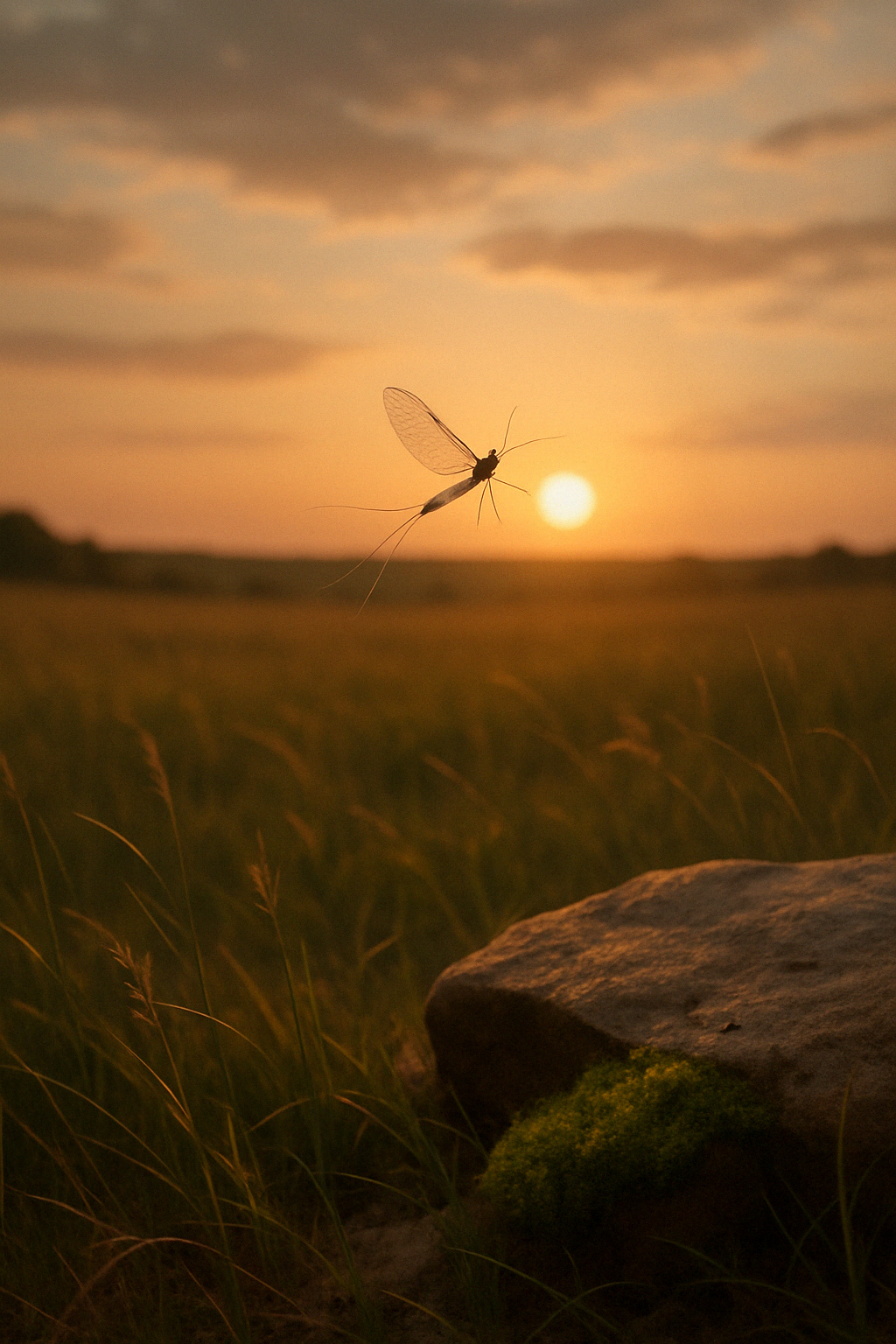
Even the mayfly has a dance, even the moss has a song it sings to no one on the underside of a stone.
And maybe the question isn’t how long, but how wide a life can stretch between the seconds we’re willing to notice.
So when the time comes— and it always comes— let the last breath be not a wish but a thank you. Let it be not a door but a window that stayed open just long enough to let the wild air in.