Category Archives: The Everyman Chronicles

The MAGA Mirage: Dr. Phil and the Cost of Going All In


São João de Meriti

Turns out, going full MAGA might be good for a few clicks—but not for business.

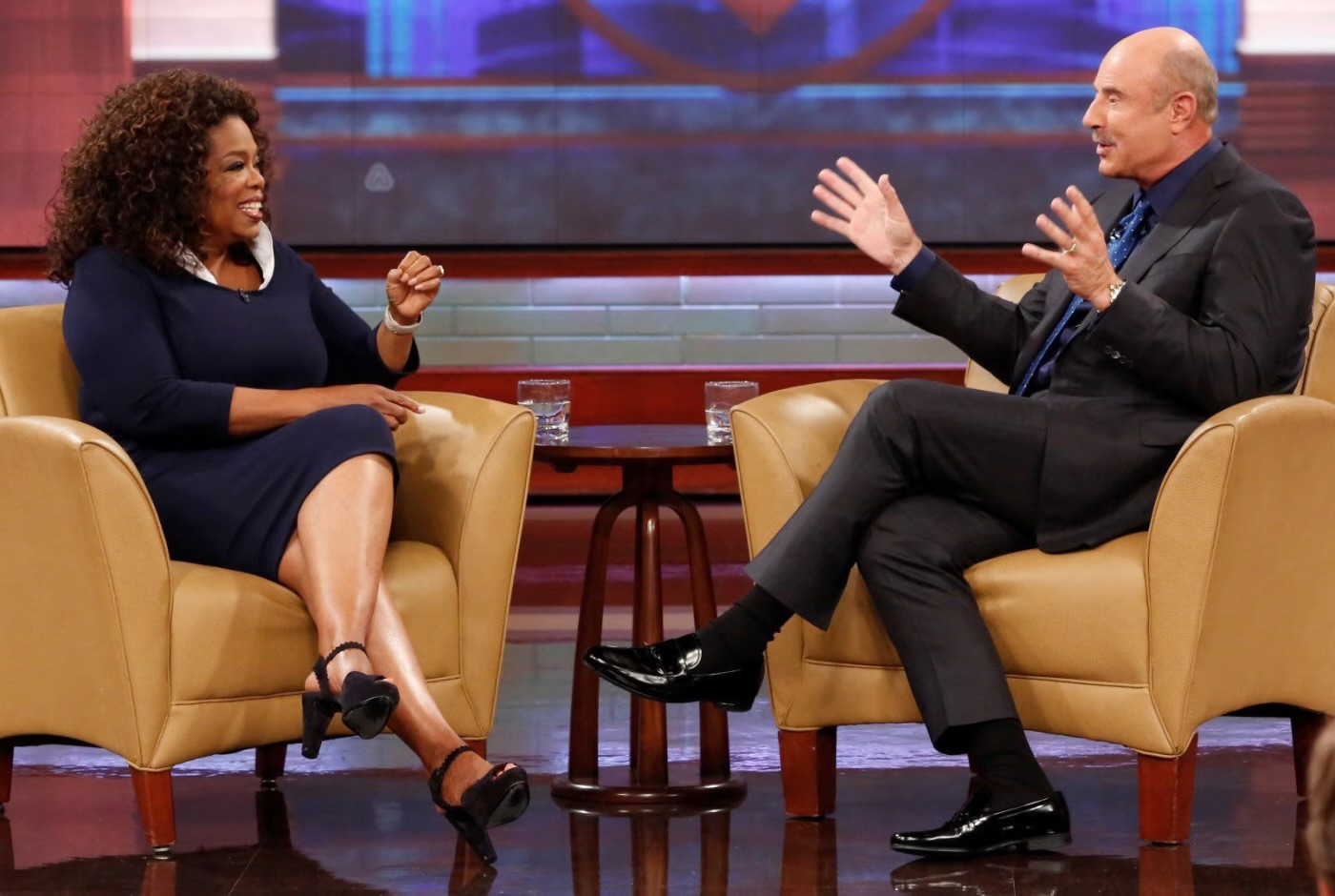
Dr. Phil McGraw, once the mustachioed therapist turned daytime juggernaut, is learning a hard lesson about politics and pocketbooks: when you throw your chips behind MAGA, you better know the house always loses eventually.

His media company, Merit Street Media, filed for Chapter 11 bankruptcy just a year after its launch, following a very public pivot into right-wing infotainment.

Billed as a “common-sense” alternative to mainstream media, the venture pushed a familiar cocktail: grievance, fear, anti-woke posturing, and a steady flirtation with authoritarian-adjacent messaging. It rode the Trumpian wave with vigor—and sank just as fast.

And so it goes.

It’s not the first time a celebrity has attempted to surf the MAGA wave into relevance. Roseanne tried. Kanye tried. Tim Allen keeps one foot in the water.

The right-wing grift economy is real—just ask the folks who rake in millions from outrage podcasts, donation-funded “documentaries,” or “patriot survival kits.” But there’s a difference between feeding the machine and being consumed by it.

Dr. Phil didn’t just wink at the base. He jumped in with both boots and a Texas drawl. Gone were the days of pseudo-therapy and stage-managed family drama. In came “citizen journalism,” culture war crusading, and lawsuits.

One year later, his network is insolvent, his credibility further eroded, and his Trump-aligned audience already moving on to the next firebrand with a microphone.

Why does this keep happening? Why does “going full MAGA” burn so hot and crash so hard?

Because MAGA is not a political movement—it’s a bonfire of anger. It is fueled by fury, sustained by delusion, and hostile to the concept of loyalty. Even its most visible mouthpieces aren’t safe: Tucker Carlson was exiled. Candace Owens is skating on ever-thinner ice. Donald Trump, the movement’s deity, routinely torches his most devoted allies when they dare to eclipse him in relevance.

What makes the movement dangerous isn’t just its politics—it’s the totality it demands. You don’t get to be “a little MAGA.” You’re either in the cult or out of the frame.

And that’s the problem for those like Dr. Phil, who mistake mass appeal for mass approval. MAGA doesn’t want thoughtful discussion. It wants bloodsport. Once you’ve fed the beast, it expects dinner every night.

The media graveyard is littered with those who tried to ride the lightning. Glenn Beck’s TheBlaze crashed. Newsmax has shrunk. OANN was dropped by most cable providers. Even Fox News found itself under MAGA siege after the 2020 election. No amount of flag waving or fear-mongering could shield them from the wrath of a base conditioned to believe betrayal is inevitable.

And betrayal cuts both ways. When your audience sees nuance as weakness, bankruptcy is just another form of apostasy.

Phil will likely rebrand. He’s already talking about a comeback—another media company, another swing at citizen-powered content. But the numbers don’t lie: MAGA may be loud, but it’s not loyal. It’ll cheer while you torch the institutions, then vanish when you start to sink.

Grievance may sell for a while—but it rarely pays the bills.
The $10 Billion Birthday Card


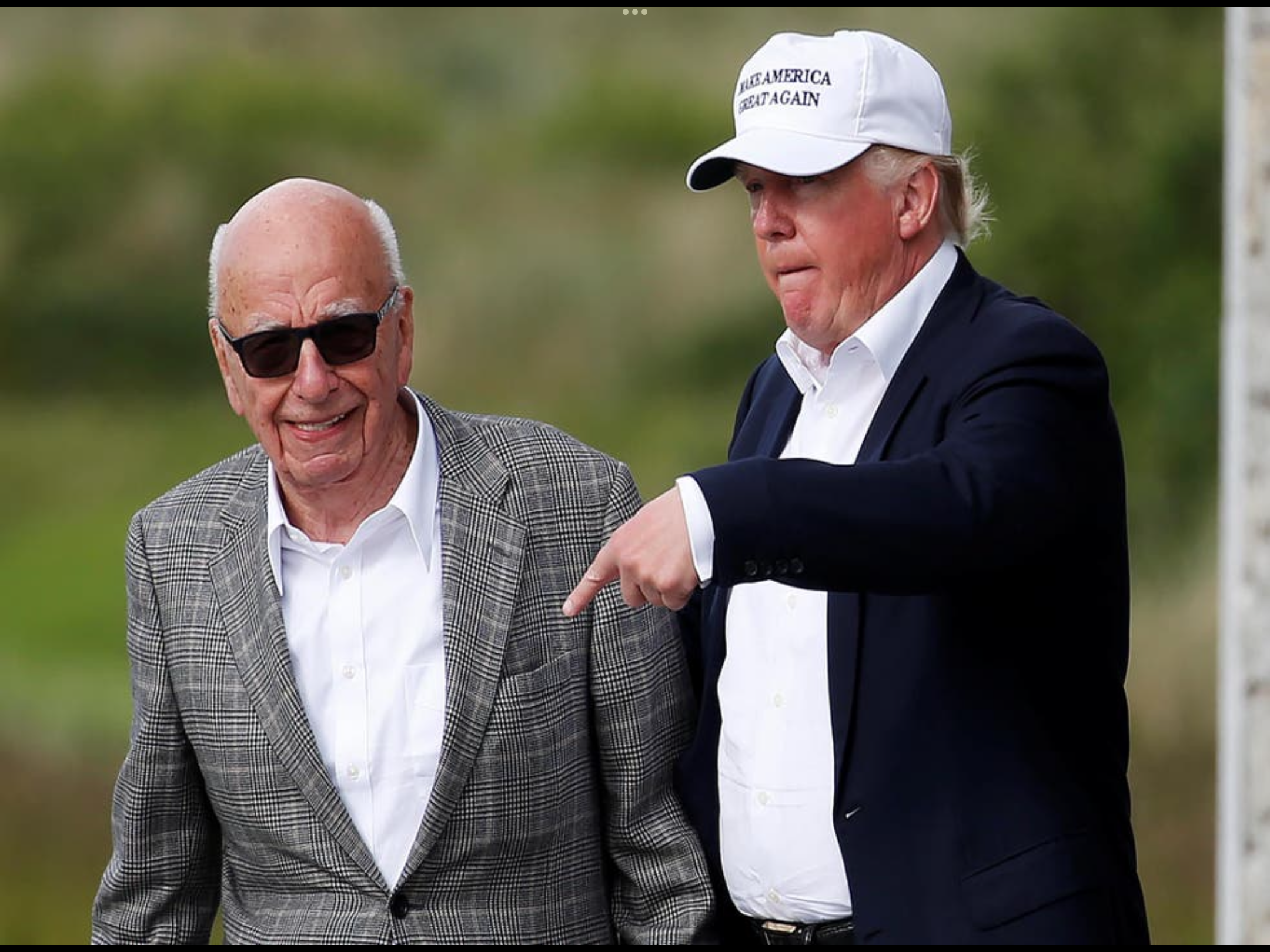
When the sitting president sues Rupert Murdoch for $10 billion, you don’t get a trial. You get a reckoning.

Donald Trump’s defamation lawsuit against Murdoch, the Wall Street Journal, and two of its reporters is a lit match at the edge of a dynamite shed called discovery.

Because if this thing survives a motion to dismiss, it kicks open every locked drawer in the newsroom, the boardroom, and Mar-a-Lago. Discovery is where both sides get subpoena power. It’s the phase where receipts get pulled, reputations get x-rayed, and no one—especially not Trump—controls the narrative.

Trump claims the Wall Street Journal defamed him by reporting on a cartoonish birthday letter allegedly sent to Jeffrey Epstein in 2003.

The letter, supposedly found in Epstein’s files, contains a nude sketch, a bawdy caption, and Trump’s signature. Trump says it’s fake. That’s a bold claim. Discovery says: prove it.

That means:

  • Handwriting analysis. Was the signature real? If not, who forged it—and why?
  • Murdoch on the record. A deposition at 93 isn’t just a legal formality. It’s legacy exposure. Trump’s team may relish the optics, but Murdoch’s lawyers will fight to the teeth to keep him off the record.
  • Reporters under oath. Khadeeja Safdar and Joe Palazzolo could be grilled about sourcing, editorial notes, verification chains—everything. Discovery tears open the process.
  • Access to Epstein’s files. If the card was in Epstein’s archive, how was it obtained? Who authenticated it? Were there corroborating materials? Discovery opens that vault.

But this knife cuts both ways.

Murdoch isn’t new to Trumpworld. He’s been both confidant and kingmaker. Which means he had to know a lawsuit was coming the moment the story dropped.

Trump sues like other men tweet. Murdoch also had to know he’d need more than hearsay to back this one up.

You don’t poke that bear without a fireproof file cabinet. If the Journal ran the piece, it’s likely because Murdoch knew he had the goods—or at least enough to hold up in court.

The defense will dig into Trump’s history with Epstein. They’ll want calendar entries, guest lists, party photos, voicemails, internal memos, Secret Service records—anything connecting the two men. They’ll ask Trump to account for years of conflicting statements. And they’ll do it under oath.

Even better? Defamation suits involving public figures require proof of actual malice. That means the Journal had to knowingly publish a lie—or be recklessly indifferent to the truth. To show that, Trump’s lawyers will need to expose editorial negligence, if not sabotage. That requires access to internal Wall Street Journal deliberations, Slack threads, edit meetings, and emails—possibly from Murdoch himself.

Trump’s gamble here is enormous. The case cracks open every corner of his past that touches Epstein, sex, scandal, or satire. It dares the media to go deeper. And it risks Trump being forced to testify under penalty of perjury about the very things he’s spent decades dodging.

But maybe he’s counting on this never reaching that stage. Maybe the lawsuit is the show. Maybe it’s just a political cudgel, a headline, a shiny object for the base. That’s possible.

Still, lawsuits have rules. And once discovery starts, the rules take over.

Trump sued for $10 billion. What he may have opened was a window—straight into his own archives.

Today’s Color Is Burnt Orange

They say they love America, but they keep trying to silence its voice.

In a late-night vote, the U.S. Senate approved the most sweeping attack on public broadcasting in modern history, passing a rescissions bill that would slash up to $1.9 billion from the Corporation for Public Broadcasting (CPB)—effectively gutting both PBS and NPR.

Backed by P=Trump and passed 51–48 along mostly partisan lines, the legislation moves to the House for a rushed vote by Friday night. If it clears that hurdle, Trump has vowed to sign it into law—bringing a slow, deliberate chokehold on America’s most trusted non-commercial media to completion.

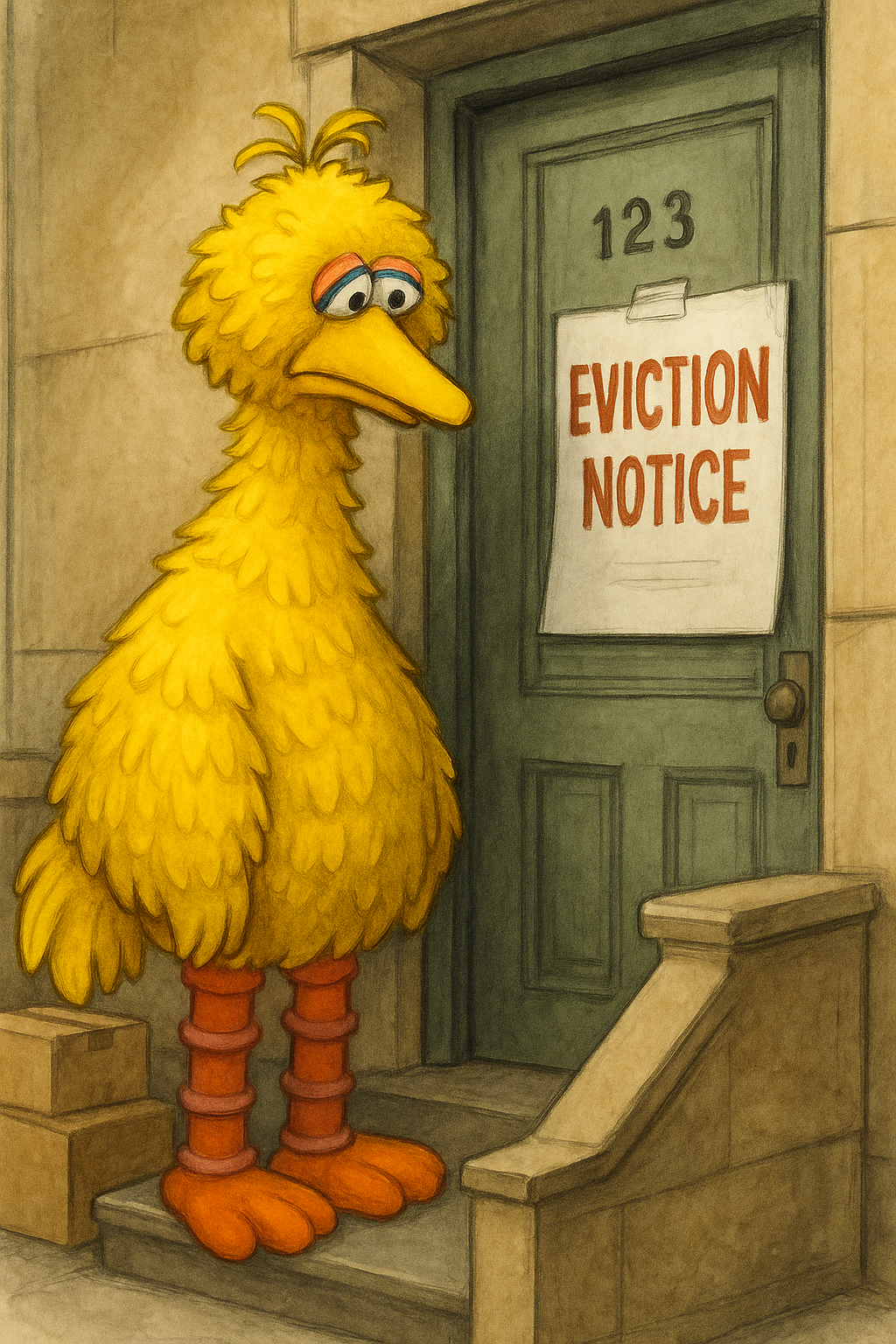
You don’t have to be a fan of Sesame Street or All Things Considered to recognize the scale of this assault. What’s at stake isn’t just Big Bird and Terry Gross—it’s access to education, public safety updates, local journalism, and independent media not controlled by commercial or corporate interests. This is ideological retribution masquerading as fiscal responsibility.

Let’s be clear: PBS and NPR aren’t lavishly funded federal beasts. They’ve been surviving on budgetary crumbs for decades. The proposed cuts would eliminate those crumbs entirely.

nothing The Cuts at a Glance

Corporation for Public Broadcasting (CPB)

  • 2025 federal appropriation: $535 million
  • Proposed rescission: $1.1 to $1.9 billion over two years
  • CPB funding supports over 1,500 public radio and TV stations nationwide

PBS (Public Television)

  • Receives ~$267.8 million annually via CPB
  • Federal funds = ~15% of PBS’s overall national budget
  • For rural PBS affiliates: funding = up to 50% of budget
  • Impact: major cuts to children’s programming, emergency broadcast systems, rural signal access

NPR (National Public Radio and Member Stations)

  • NPR itself gets <1% of its budget from federal funds
  • Local NPR member stations get 10–16% of budget from CPB
    • In rural areas: up to 60%
    • In cities like LA, Boston: 7–12%
  • Impact: station closures, layoffs, loss of local newsrooms and weather alerts

This is a playbook, not a policy. Trump’s executive order in May directed CPB to cease all support for NPR and PBS. Today’s Senate vote is the scalpel. Together, they’re the culmination of a long war against independent, fact-based media. One that began with cries of “liberal bias” and is ending with financial censorship.

A 2023 Pew survey found that 72% of Americans trust their local PBS and NPR stations more than any cable news outlet. That trust is now on the chopping block.

And what’s the price tag for all this carnage?

Roughly $1.1 billion, or about 36 hours of Pentagon spending.

We’ve been told this is about cutting waste. But the real waste is what we’ll lose: programming that informs without ads, teaches without charge, and tells stories without allegiance to sponsors.

The only thing this administration seems willing to subsidize is ignorance.