buy disulfiram tablets uk You already have a journalist in you.
You were born asking questions. Every kid is. Why is the sky blue? Why does the dog tilt its head? Why does Dad mutter at the newspaper? Curiosity is the first skill of a reporter.
Somewhere along the way, we stop using it. We accept what we’re told. We scroll headlines instead of asking what’s behind them. That’s when the muscle weakens. Journalism is the act of flexing it again.
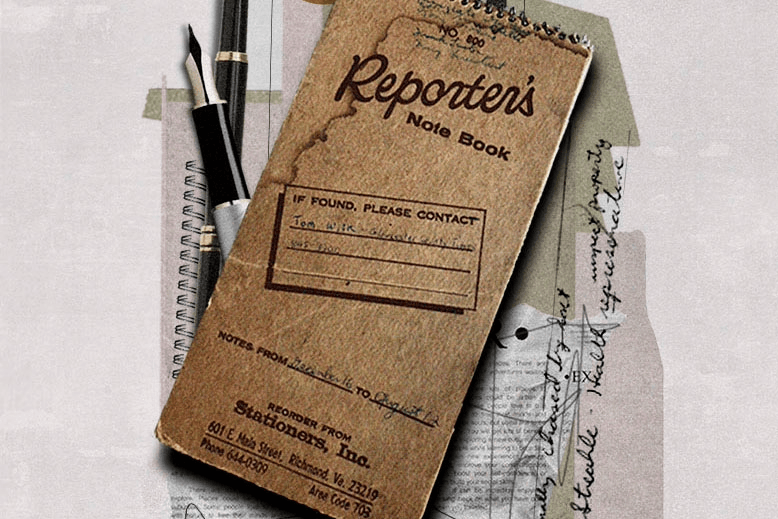
I grew up with ink on the kitchen table. Dad carried a notepad in his left back pocket and a story in his eyes. He believed the simplest question in the world could be the hardest to ask: Why?
I watched him listen more than he talked, though he never shied from the word. I learned early that information is power, and that power ought to be shared.
Forty years later, I still believe journalism is the highest form of citizenship. It is not just the job of a newsroom. It belongs to anyone who gives a damn about what’s true.
A journalist pays attention. A journalist wants to know how things work, who benefits, and who pays the bill. You don’t need a byline to do that. You only need to care enough to look.
And in this Trumpian era of wild claims and louder microphones, that instinct has never mattered more. Every day, falsehoods parade as fact. Platforms reward outrage more than accuracy. It takes a working journalist’s mind to cut through the fog.
The country doesn’t need more pundits. It needs more reporters, even unpaid ones. You can be one every time you ask, Is that true?
You can find your inner journalist every day. Start by noticing. Notice who speaks for the group and who doesn’t get to. Notice which streets get fixed first. Notice the way a neighbor’s tone changes when politics comes up. Notice how every commercial is a little lie wearing good lighting.
Observation is reporting. The rest is craft.
Then ask. The question is the journalist’s instrument. Not the argument, not the opinion. The question.
What happened? Who decided that? When did this start? How do you know? Those five words—what, who, when, how, why—can peel the varnish off anything. They can turn gossip into fact. They can turn noise into signal.
The best journalists I know have curiosity wired to empathy. They don’t see sources or sides. They see people. They ask, then listen, and then ask again.
The secret is silence. Let someone talk long enough, and they will tell you the truth without realizing it.
The inner journalist does not hunt scandal. It hunts understanding. It searches for the small stories that explain the large ones.
A stoplight that never works says more about a city than a mayor’s press conference. A single parent trying to pay rent says more about an economy than a stock chart. Journalism is the art of connecting dots that people pretend are separate.
Technology has made everyone a potential reporter. We have cameras in our hands and archives in our pockets.
But the tools are only as good as the questions we ask. A smartphone can record, but it can’t discern. The journalist’s eye is still human. It knows tone, motive, timing, silence. It knows what’s missing.
Good reporting begins with questions. Each question, a step toward clarity. Each answer is provisional. Curiosity is a discipline.
So go find your inner journalist. Ask the next question. Then one more.
The truth is still out there. It’s just waiting for someone curious enough to care.