What was dismantled today isn’t just marble or plaster; it is a reflection of how easily history can be erased when power forgets purpose.
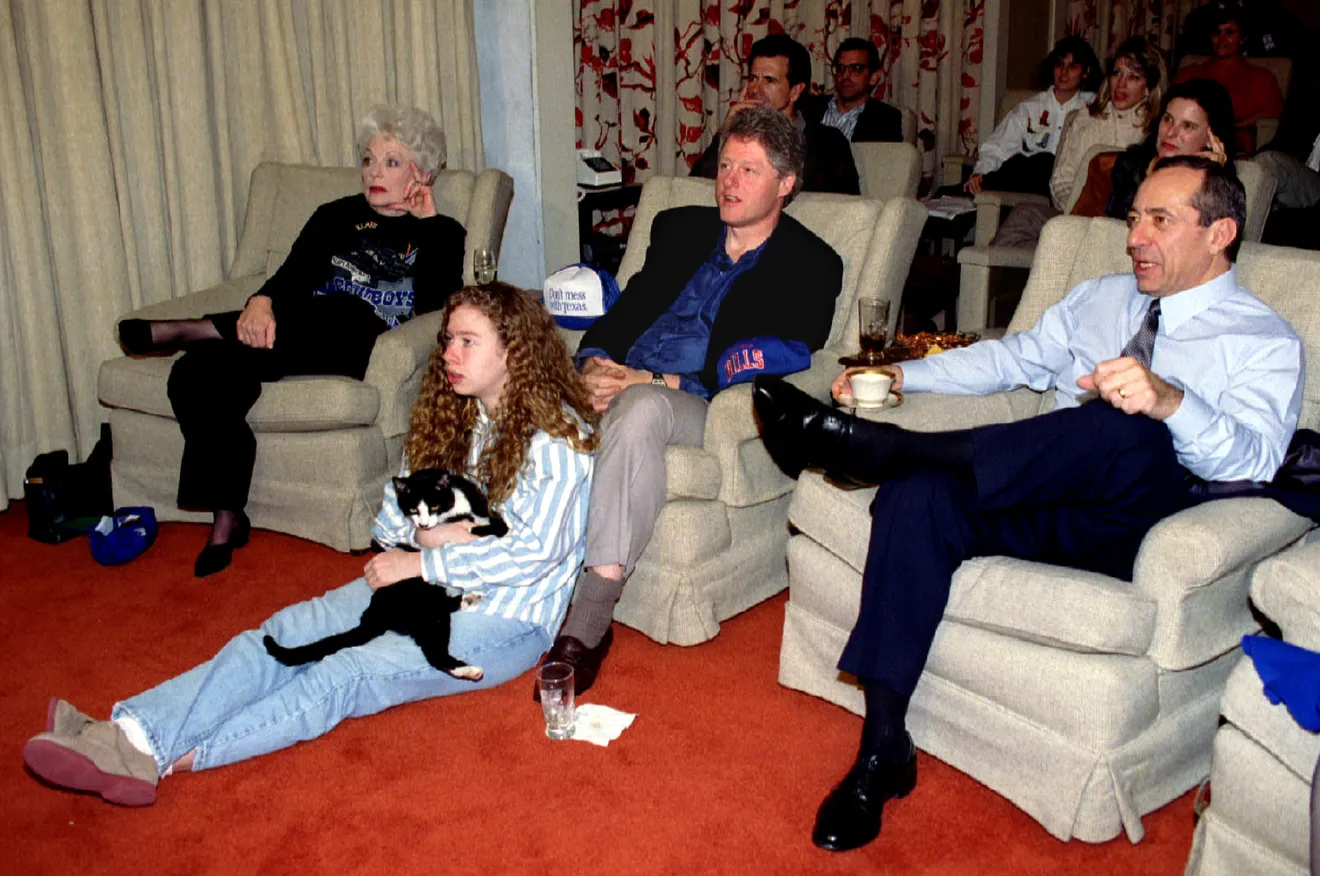
Although I spent many of my formative years living in the White House, I always knew it wasn’t my house. It was my home, absolutely, but not my house. The White House belongs to the American people, and that’s why we call it the People’s House. I never forgot that.
So yes, while I played hide-and-seek in the White House residence and danced outside the closed doors of many a state dinner, I never once thought, “this is my house” in the way my friends thought of theirs.
I was 12 years old the first time I walked through the doors of the White House as a soon-to-be resident, not a visitor. First lady Barbara Bush gave my mom and me a tour, sharing where her grandchildren would stay when they came to visit and what their families’ favorite foods were.
Eight years later, my family would welcome the Bush family back, and I remember telling Jenna and Barbara Bush about my favorite places, the friends I had made who worked at the White House and, yes, my favorite foods.
I always had the sense that the Bush family, like mine, understood that we are all merely passing through, even while our parents were shaping American history. It was the same sensibility I had when meeting Presidents Jimmy Carter, Gerald Ford and Richard Nixon as well as first ladies Jacqueline Kennedy and Lady Bird Johnson, and others who had, for a time, called the White House home.Need a news break? Check out the all new PLAY hub with puzzles, games and more!
All presidents make changes to the White House – including my family
While it is only a temporary home, every president and their families have made changes. President Theodore Roosevelt built the modern-day West Wing, and a few years later, President William Howard Taft built the Oval Office. President Franklin Roosevelt developed the East Wing and installed a swimming pool, which President Nixon later turned into the White House briefing room.
Mrs. Kennedy famously redecorated the state rooms. My mom was the first first lady to bring contemporary art into the White House, a Georgia O’Keeffe. First lady Michelle Obama added a vegetable garden (my mom had only planters full of tomatoes on the roof). And Mrs. Melania Trump, in her husband’s first term, renovated the Rose Garden, adding limestone paths and preserving the surrounding flowers.
The White House Historical Association believes that a garden has been on that site since the mid-1800s, when President Ulysses Grant was in office, or for more than half of the country’s life. Presidents and first ladies have added elements for efficiency, for comfort, for aesthetics, all of which are then cared for by the extraordinary staff of electricians, plumbers, painters, arborists, gardeners, butlers, housekeepers, chefs, ushers and historians.
Many of those professionals spend substantially more years working in the White House than any presidential family does living in it.Their legacy extends across elections: Meet the people who run the White House | Opinion
President Trump’s East Wing demolition is what happens when power forgets purpose
President Donald Trump has the right – and clearly has raised the private funds – to pave over the Rose Garden (and denude it of roses) as well as turn the East Wing into a ballroom.
Still, with less than a year until we celebrate our country’s 250th anniversary, it is unsettling that such substantial alterations to the 225-year-old People’s House are being undertaken without a historic-preservation review and seemingly without the involvement of any historians, and I would love to be proven wrong here.
When Mrs. Kennedy restored and renovated the White House and Rose Garden, she did so with historians, landscape architects and preservation experts ‒ leading to the creation of the White House Historical Association ‒ to ensure that while it would reflect her influence, it would remain coherent with the original design.White House Historical Association: Did you know you can call the White House? Thank technology for that. | Opinion
For decades afterward, that garden became a stage for history itself, where presidents announced peace accords, welcomed visiting heads of state and signed historic landmark legislation, including the Americans with Disabilities Act.
Given the widespread public rebuke to the cementification of the Rose Garden and its apparent recapitulation as “The Rose Garden Club at the White House” and the outrage at the complete demolition of the East Wing, I am clearly not alone in feeling unsettled.
Renovations aren’t inherently objectionable because of who orders them or who pays for them. Every generation has a duty to care for and update the White House as needs evolve for the number of staff in an administration, for technology, for a more complete representation of America, for security or other understandable reasons. But how we do it ‒ and whom we include in the process and whom we leave out ‒ says a great deal about our respect for history and for the People’s House.
Yes, the president has authority over the White House grounds, though the National Trust for Historic Preservation and others have indicated both precedence for and required review steps. But authority is not the same as stewardship. Stewardship requires transparency, consultation and an accounting for history.
A disregard for history is a defining trait of President Trump’s second administration. Reports indicate he has directed the Smithsonian Institution and the National Park Service to censor exhibits and erase mentions of slavery and the treatment of Native Americans. Federal websites have deleted references to women’s rights and LGBTQ+ history. In one especially embarrassing episode, Trump’s Department of War, formally known as the Department of Defense, even scrubbed its site of all mentions of the Enola Gay ‒ the plane that dropped the atomic bomb on Hiroshima ‒ because an automated effort to remove the word “gay” caught it in the process.
This is what happens when we take a wrecking ball to our heritage. Disregarding our democratic institutions and the rule of law or impounding funds that Congress has already approved grow from the same source of disregard for our founding ideals, and the norms and laws that have helped us move, over time, closer to a more perfect union, the cardinal call of our U.S. Constitution.
Our greatness doesn’t come because we ignore our history – it comes because we acknowledge it, we learn from it and build a better future on it, including in the buildings and gardens of the People’s House.
The White House will always be a home I was lucky enough to live in for a while. Even more important, it is a mirror of our democracy, resilient when we honor its foundations but fragile when we take them for granted. What was dismantled today isn’t just marble or plaster; it is a reflection of how easily history can be erased when power forgets purpose.
Chelsea Clinton is an author, investor, advocate and vice chair of the Clinton Foundation.