
Business as Usual in Police Room 619

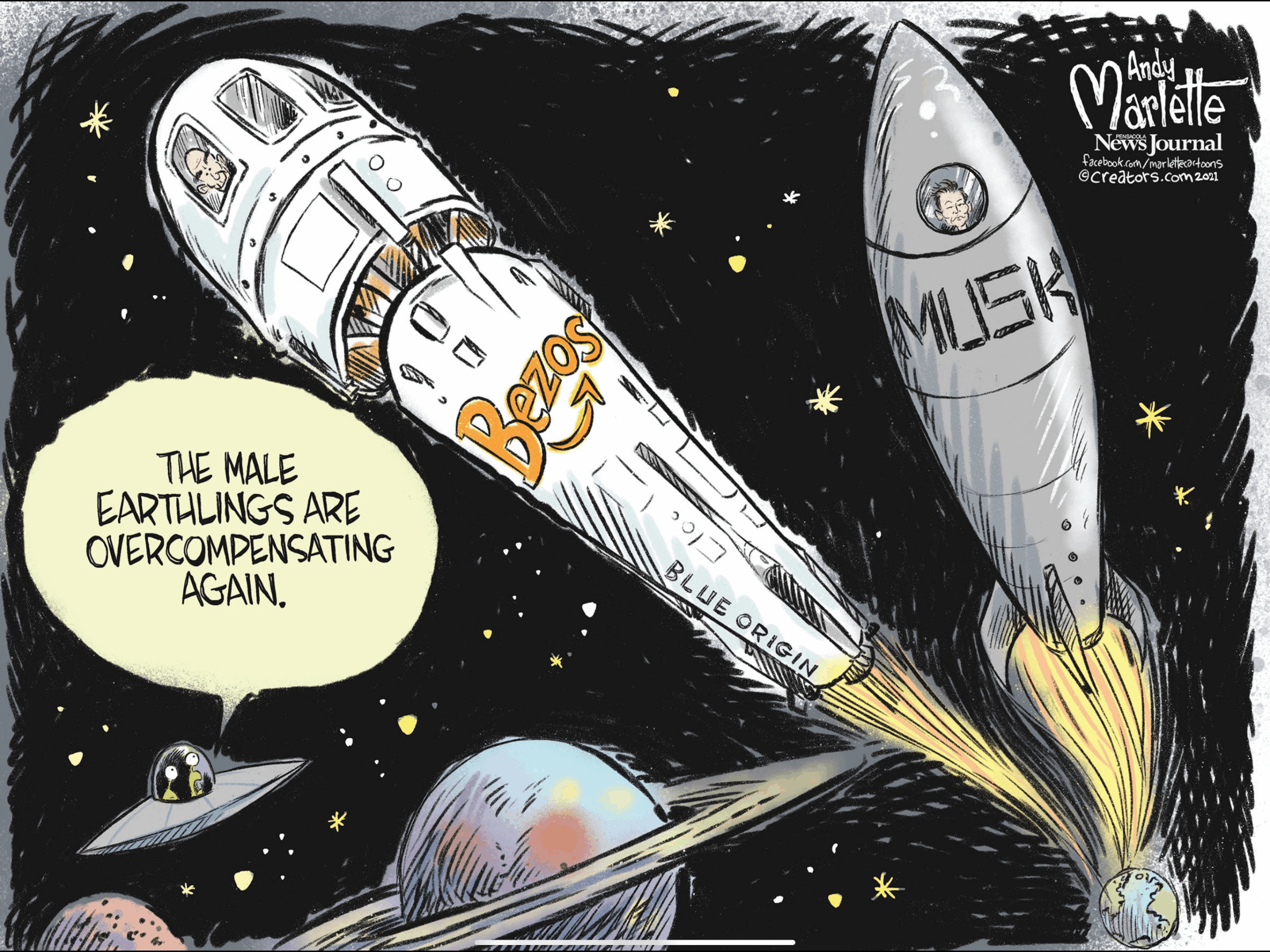
Vila-real America just crowned its first trillionaire.
Port Macquarie Tesla shareholders, in a fit of worship disguised as capitalism, approved a pay package for Elon Musk worth a trillion dollars. One man. One checkbook. One planet that somehow decided this makes sense.
The deal pays him if Tesla reaches eight-and-a-half trillion in market value. He’ll get richer than nations while Congress argues over keeping school lunches funded. This is where the American Dream crossed into parody.
You could feed every child in the country for a century on that money. You could end homelessness. You could rebuild every bridge, twice. Instead, we built a rocket for one man’s phallic ego.
Musk will say it’s performance-based, that he gets nothing if Tesla fails. He’s right.
But Tesla won’t fail. Governments bend for him, investors cheer him, and every time he opens his mouth the stock jumps like Pavlov’s dog hearing the bell of meat.
It’s not even the scale that stuns anymore. It’s the timing. As SNAP cards blink empty and federal workers line up at food banks, the markets hand a man a path to a trillion. The irony is so thick you could bottle it and sell it as syrup.
This is the system we built. A democracy that celebrates the individual so completely it forgets the crowd that built him. None will see their wage grow by even a fraction of a fraction of that trillion.
And the investors cheer, convinced the rising tide will lift them too. It never does. It floods the yacht club and leaves the rest of us bailing water.
There’s a strange faith at work here. The belief that if we make one man rich enough, his genius will trickle down like holy water. It never has.
But faith dies hard in America. We don’t pray to gods anymore. We pray to markets.
A trillionaire is not just a headline. It’s a mirror. It shows what we value.
We talk about fairness, but we worship accumulation. We talk about innovation, but we reward empire. The rest of us trade hours for rent while he and his ilk trade tweets for billions.
So toast him, if you must. Pour a little champagne, pop a rocket, tweet your worship.
Just remember the rest of the country still waits on a paycheck, a stimulus, a grocery card that works.
We have our first trillionaire. And he was once an advisor to our billionaire president.
Perfect symmetry. Perfect satire. Perfectly American.
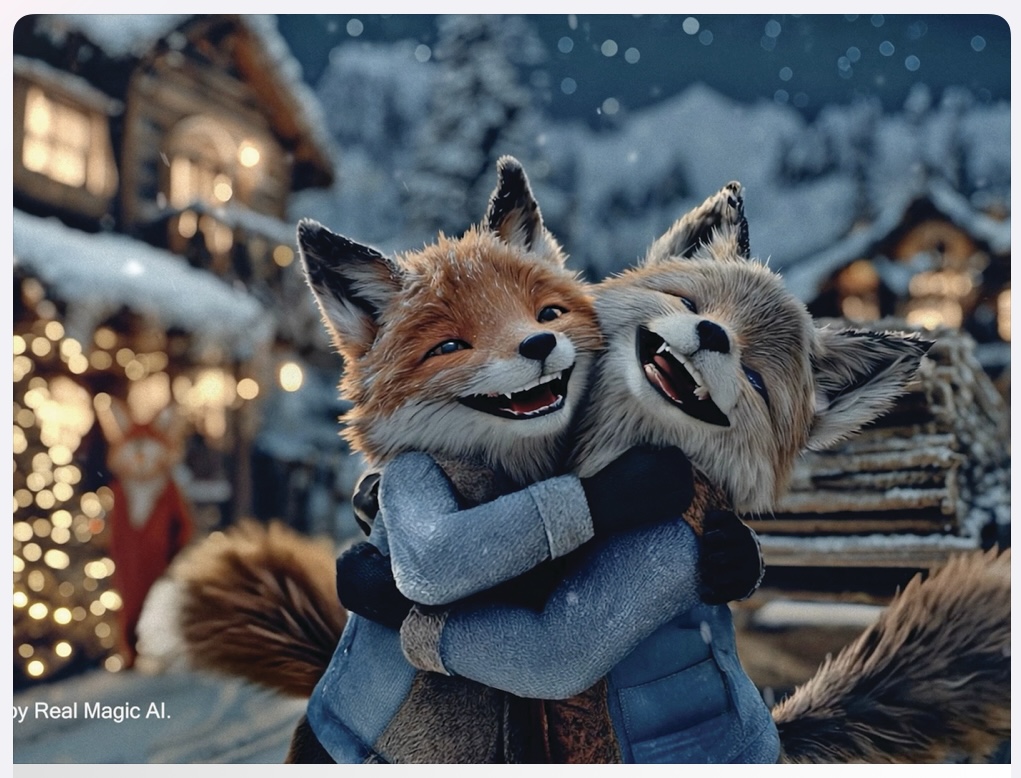
Coca-Cola just has told art to clock out for Christmas.
The company’s new holiday ad glows, but something feels off. It wasn’t drawn or filmed or even really made. It was AI generated. Built by algorithms, it’s yuletide polished in code.
For decades, Coke’s Christmas ads felt alive. Trucks rolled through snow. Polar bears clinked bottles under northern lights. The ads were Coke’s Academy Awards. Without competition.
This year, though, the fingers vanished. The new spot came from an AI model trained to imitate warmth. The result looks real enough until you look closely.
A fox hugs a raccoon beside a glowing Coke truck. The snow falls in perfect rhythm. The light hits every smile the same way. Nothing moves wrong, but nothing breathes. It looks like Christmas dreamed by a computer that never saw one.
Animators saw the ad and read the headline between the pixels. Coke to Animators: Drop Dead. The company recently laid off 300 employees for “AI and manufacturing” revisions.
The message carried farther than a single commercial. Disney made its own move earlier this year, cutting 8,000 from its animation staff while feeding projects into AI systems. The biggest companies in entertainment just declared that human touch costs too much.
Coke calls executives say it shortens timelines and opens “creative possibilities.” That language hums with the sound of layoffs.
These ads always sold comfort, familiarity, human connection. Now the same campaign sells comfort without the humans who created it.
Reaction to the ad has run the gamut, but none of that matters as much as what it represents: the handoff from craft to calculation.
It’s not the lighting or the color. It’s the absence. Someone once drew these bears and foxes because they knew how joy looked. A machine now guesses what joy might resemble.
The views pile up, the brand shines, the stock rises. But this shift marks a change in more than advertising. It shows what happens when nostalgia gets automated.
The holidays run on memory.
Coke once pitched the world to “share happiness.” This year it shared a zip file.