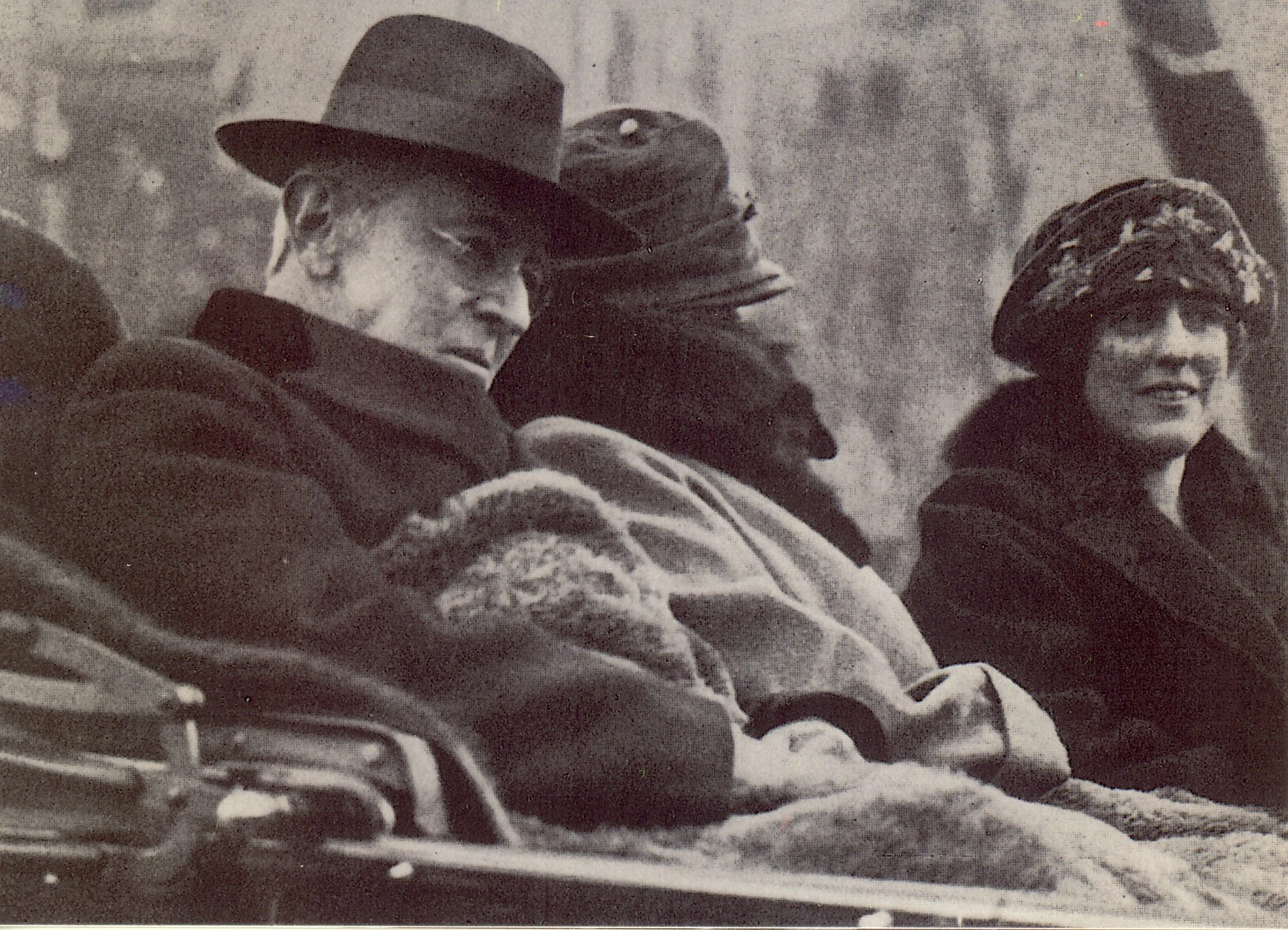
Woodrow Wilson suffered from anosognosia, a neurological break in which the brain loses the ability to recognize its own damage.
Tafí Viejo Doctors see it in stroke patients who swear they can lift a paralyzed arm. They see it in men who deny blindness even as they bump into walls. They see it in women who repeat the same questions and insist their memory is strong.
Physicians also note personality shifts: impulsive decisions, sudden anger, poor judgment, flat affect. Patients don’t fake wellness. They believe they are well. The injury blocks the part of the mind meant to perceive the injury.
In Wilson’s case, the break came on October 2, 1919, inside his bedroom on the second floor of the White House, as he tried to stand and walk to the bathroom.
His right side seized. His left side went dead. His face collapsed. He slid against the doorway and fell to the floor. Doctors rushed up the stairs and diagnosed a massive stroke.
Wilson told them he was fine. He told them he would be back at his desk in a few days. He refused to accept that he had suffered a stroke at all.
They carried him back to the bed and tried to explain the damage. He said he could read, though he could not track a page. He said he could stand, though two aides had to move his legs by hand. He denied paralysis as his arm hung still. He denied cognitive decline while he drifted from thought to thought.
His refusal was not defiance. It was the condition itself.
The White House tightened around him. First Lady Edith Wilson took control of access to the room. She screened every visitor and chose which papers reached him. Dr. Cary Grayson told the country the president “needed rest,” though he could not sit upright without help. Senior aides whispered the 25th Amendment.
Some tried to act. Robert Lansing, the Secretary of State, convened Cabinet meetings to keep the government moving. Wilson learned of it and fired him. Advisers who raised the question of disability lost their standing. Staff who described his condition disappeared from the roster. The truth became a threat to his sense of himself, and the system bent until that truth disappeared.
Wilson lived the last year of his presidency sealed in that room. He planned work he would never resume. He believed recovery was close when it was not.
He died at 67 still certain he had not suffered a stroke, unaware of the very damage that ended his public life and shortened his private one.
Sound familiar?