
Joy to the World, the Crop Is Done


Abergele The Supreme Court needs term limits.
Port Sudan For two centuries the country has lived with the idea that a clatch of justices sit on the tallest throne in the land for as long as they please.
The Founders wrote “good Behaviour” into Article III because they feared political payback. They also lived in a world where people dropped dead at 50 and the Court met in rented rooms that smelled like mildew and horsehair.
Early justices didn’t cling to the job. John Jay spent months each year on horseback, dragging himself through mud and frost just to hear rinky-dink cases in scattered towns. Alfred Moore quit after a few years, worn down and sick, leaving almost nothing behind. Independence mattered. But the job itself barely held allure.
The modern Court couldn’t be farther from that era. Nine people decide guns, elections, climate, medicine, data, sex, speech and power.
Every term tilts the country for a generation. Yet the structure sits locked in the 1800s. Lifetime tenure. No cycle. No turnover. No rhythm that matches the people who live with the fallout.
The size of the Court has changed before. It started with six. It shrank to five. It jumped to seven and then ten before settling at nine in 1869. Congress shaped it whenever the moment demanded.
That power still sits in its hands. The moment demands again.
And the swings today are a joke. Trump stuffed three justices into a single term. Another can serve eight years and never touch the lineup. Half a century of legal direction hangs on dumb luck, timing and the human body giving out at the right moment. That isn’t a system. That’s cosmic bullshit.
Eight-year terms clean it up. Presidents nominate on schedule. Senators fight on schedule. The country gets a stable, predictable rhythm instead of waiting for retirement rumors and hospital bulletins.
Other democracies already do it. Germany uses fixed terms. Canada and India set age caps. The United Kingdom rotates senior judges like clockwork. Their courts remain powerful because they thrive under structure, not the fantasy of lifetime royalty.
Term limits would pull fresh minds onto the bench. They would widen the recruiting pool. They would cool off the confirmation bloodsport. They would stop the institution from calcifying into a shrine.
Every other branch runs on a clock. The House refreshes every two years. The Senate cycles in thirds. The presidency pulses in four-year beats. Only the Supreme Court drifts outside time, gripping power until death taps the shoulder.
A republic breathes easier when even its highest bench learns how to step the fuck aside.
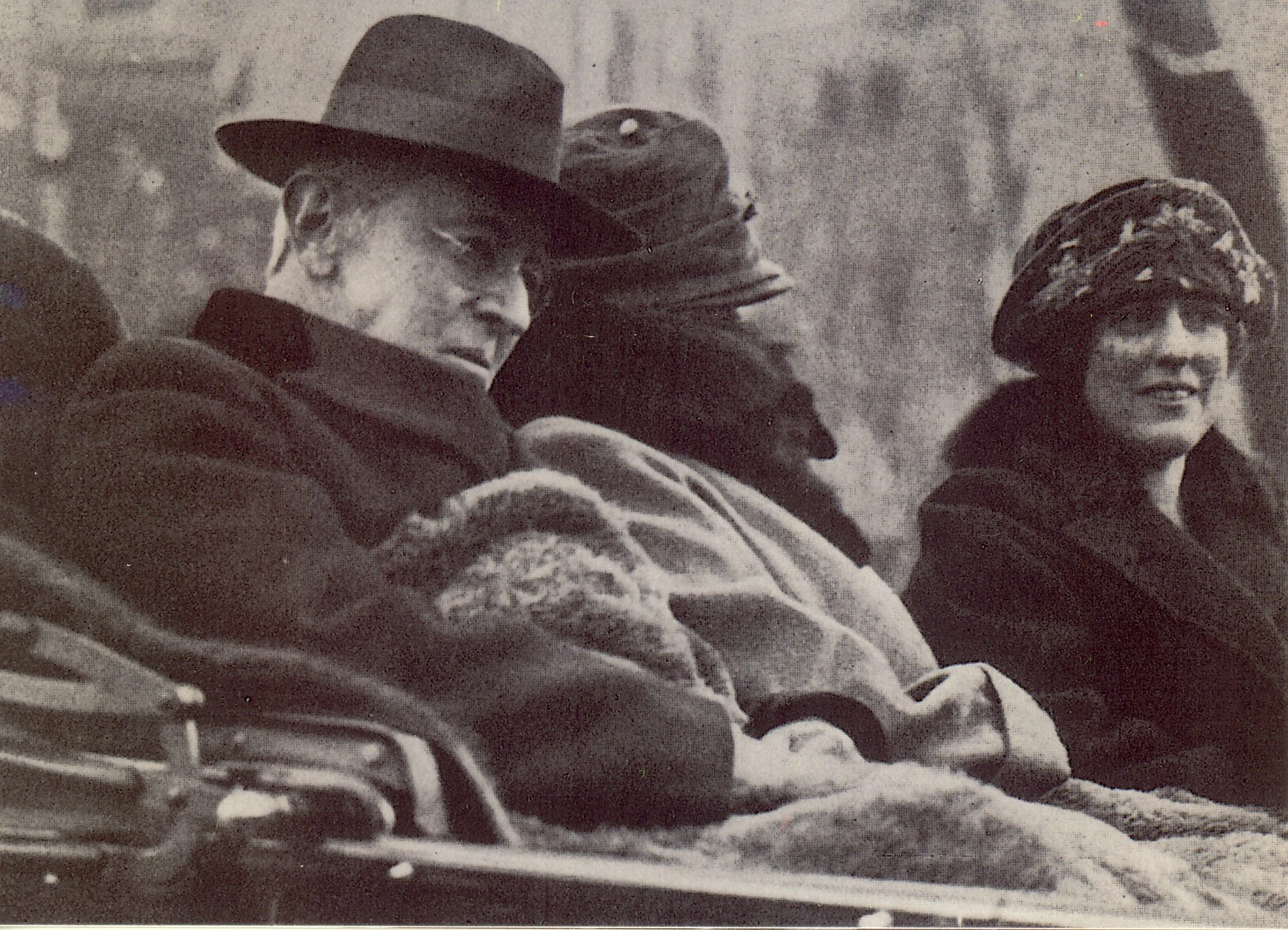
Woodrow Wilson suffered from anosognosia, a neurological break in which the brain loses the ability to recognize its own damage.
Doctors see it in stroke patients who swear they can lift a paralyzed arm. They see it in men who deny blindness even as they bump into walls. They see it in women who repeat the same questions and insist their memory is strong.
Physicians also note personality shifts: impulsive decisions, sudden anger, poor judgment, flat affect. Patients don’t fake wellness. They believe they are well. The injury blocks the part of the mind meant to perceive the injury.
In Wilson’s case, the break came on October 2, 1919, inside his bedroom on the second floor of the White House, as he tried to stand and walk to the bathroom.
His right side seized. His left side went dead. His face collapsed. He slid against the doorway and fell to the floor. Doctors rushed up the stairs and diagnosed a massive stroke.
Wilson told them he was fine. He told them he would be back at his desk in a few days. He refused to accept that he had suffered a stroke at all.
They carried him back to the bed and tried to explain the damage. He said he could read, though he could not track a page. He said he could stand, though two aides had to move his legs by hand. He denied paralysis as his arm hung still. He denied cognitive decline while he drifted from thought to thought.
His refusal was not defiance. It was the condition itself.
The White House tightened around him. First Lady Edith Wilson took control of access to the room. She screened every visitor and chose which papers reached him. Dr. Cary Grayson told the country the president “needed rest,” though he could not sit upright without help. Senior aides whispered the 25th Amendment.
Some tried to act. Robert Lansing, the Secretary of State, convened Cabinet meetings to keep the government moving. Wilson learned of it and fired him. Advisers who raised the question of disability lost their standing. Staff who described his condition disappeared from the roster. The truth became a threat to his sense of himself, and the system bent until that truth disappeared.
Wilson lived the last year of his presidency sealed in that room. He planned work he would never resume. He believed recovery was close when it was not.
He died at 67 still certain he had not suffered a stroke, unaware of the very damage that ended his public life and shortened his private one.
Sound familiar?