Category Archives: The Contrarian

Why Mamdani Matters


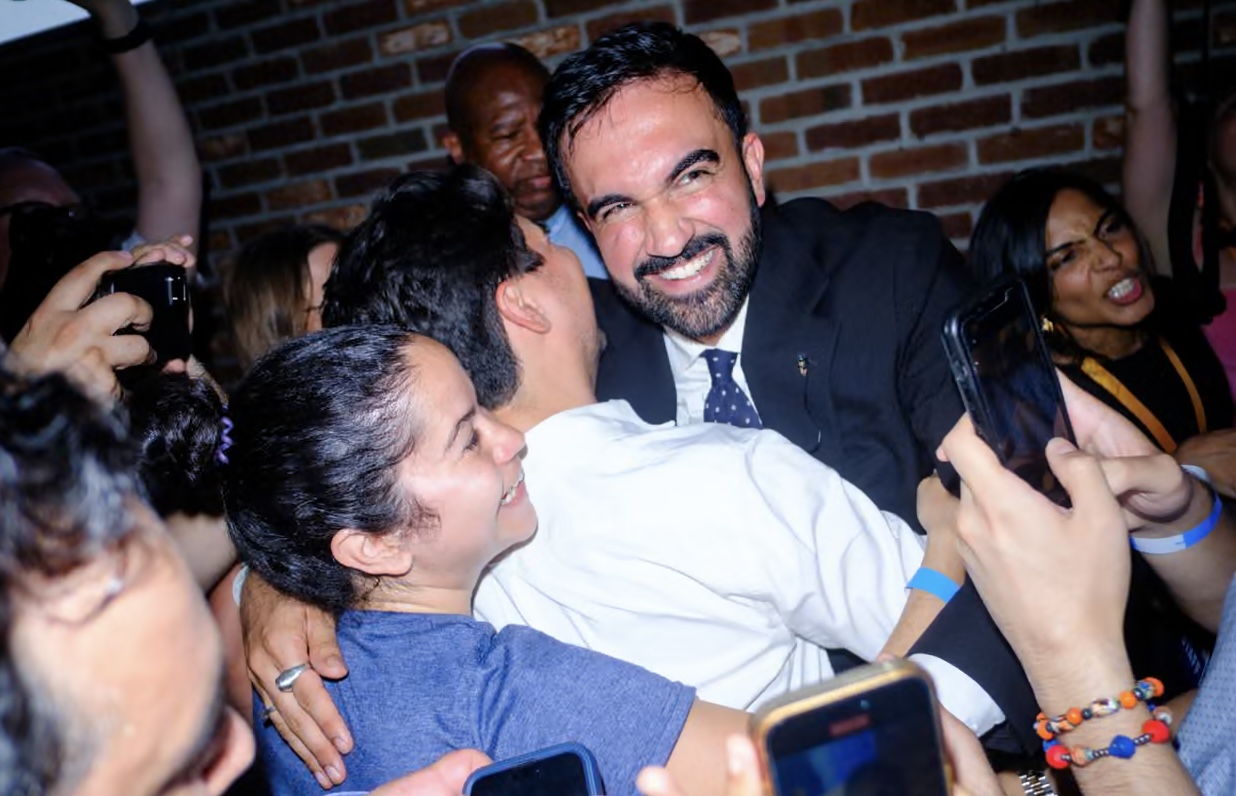
Zohran Mamdani’s victory in the Democratic primary for New York City mayor wasn’t just a win—it was a political earthquake, sending shockwaves across the national Democratic Party.

Luwero From Nobody to Nominee

In February, Mamdani hovered in the low single digits in polls. By June, he was leading the field with 43.5% of first-choice votes—outpacing former Governor Andrew Cuomo, who secured 36.4%  . This surge, fueled by fierce grassroots organizing and savvy use of social media, demonstrates that democratic socialism can thrive in America’s largest city.

http://roi-mi.com/bb.php A New Coalition for the City

Mamdani built a diverse, multigenerational coalition. He resonated with young voters priced out of the city, while also gaining traction in traditionally moderate or conservative neighborhoods across Queens, Brooklyn, and Manhattan  . He tapped into the energy of progressive groups like the Working Families Party and AOC-aligned activists, presenting a vision rooted in affordability and equity over establishment politics.

A Blueprint for Progressive Resurgence

This was a playbook for progressive victories nationwide. Journalists noted how Mamdani’s model could be replicated in New Jersey, Virginia, and beyond, as challenger campaigns adopt his focus on bold, imaginative policies and ground-up mobilization  . His victory sends a clear message: establishment support and deep pockets no longer guarantee success.

A Defining Ideological Shift

Mamdani’s win marks the ascendancy of the party’s left wing. Time magazine called it a “seismic moment for the left,” positioning him as a potential emblem of democratic socialism in mainstream politics  . For the first time, both Bernie Sanders and Alexandria Ocasio-Cortez actively backed a mayoral champion—and won.

Policy Ambitions: Bold or Unbounded?

His platform—rent freezes, fare-free buses, universal childcare—speaks to what voters care about most. Critics, especially from the Post and Mag­a­zine voices, argue his ideas could destabilize the city’s finances  . But in their view, Mamdani’s sweep proves those concerns are secondary to voters desperate for real solutions to everyday struggles.

Identity & Representation

Mamdani, a 33-year-old first-generation American of Ugandan-Indian descent, brought more than ideas—he brought representation. If elected, he’d be the city’s first Muslim mayor, its youngest in decades, and a visible face for progressive change . His win speaks to the power of an inclusive, diverse political vision.

Challenges Ahead

But the journey isn’t over. The general election looms in November, with incumbent Eric Adams and Republican Curtis Sliwa running outside the Democratic line. Moreover, Mamdani must now pivot from campaigning to governance, translating soaring rhetoric into fiscal reality—while navigating intense scrutiny over his stances on foreign policy, particularly Israel–Palestine  .

What It All Means

Zohran Mamdani’s primary win isn’t just about a new mayor—it’s a symbol of generational change, a repudiation of old guard politics, and a bold statement about what’s possible. It’s a challenge issued to moderates and centrists: evolve—or be overtaken. And for the national Democratic Party, it’s a clear signal that progressive energy, when mobilized thoughtfully and inclusively, can reshape power in America’s biggest cities.

Mamdani isn’t just a candidate—he’s the prototype. And whether he prevails in November or not, the blueprint he’s laid out will define political strategy for years to come.
Buy Me Some Peanuts and Cracker Jack


They didn’t just wear blue—they bled it, for the city and its people.

In a time when too many teams play it safe, the Los Angeles Dodgers did something rare in professional sports: they chose the city over silence.

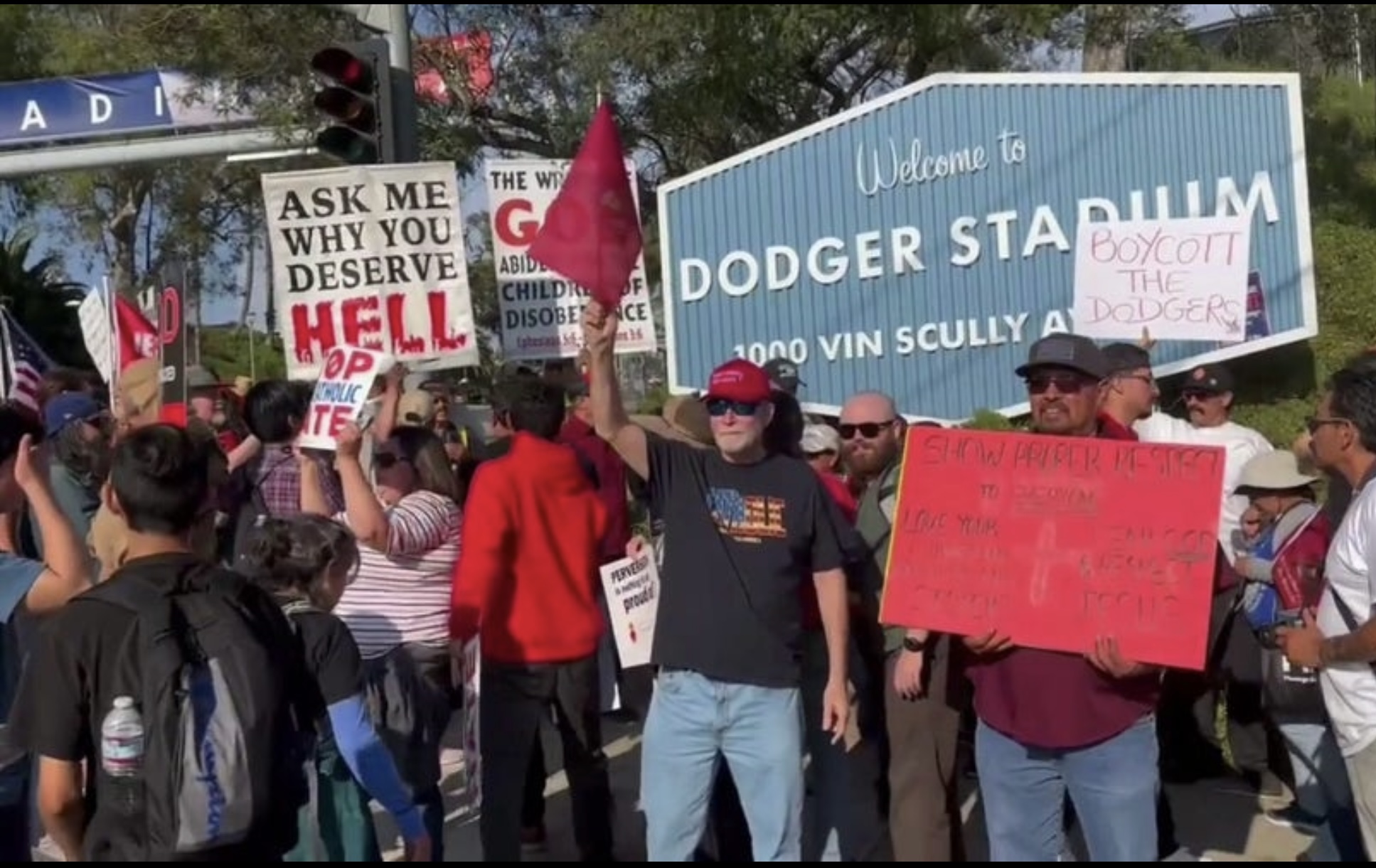
At a confrontation last week in Chavez Ravine, the Dodgers took a stand not just on the field, but in the culture wars swirling far beyond the foul lines. When whispers of Immigration and Customs Enforcement (ICE) agents roaming stadium grounds surfaced—sniffing around for low-wage workers, concession staff, or undocumented fans—the team responded with more than a shrug.

They pushed back.

Through statements, press access, and quiet coordination with immigrant rights groups, the organization made it unmistakably clear: Dodger Stadium is a sanctuary in more than just name. No raids, no detentions, no federal intimidation tactics on their turf. Period.

In a city as diverse and sprawling as Los Angeles—where nearly 40% of residents are foreign-born—this wasn’t a mere PR move. This was a declaration. To the fans in the bleachers. To the workers hawking beers and peanuts. To the custodial crews, the parking attendants, the ticket scanners, the undocumented Angelenos whose fingerprints are embedded in every corner of this city: You are safe here.

It shouldn’t be revolutionary for a sports team to say so. But in this America, it is.

In 2020, the Trump administration ramped up workplace raids and ICE presence in public venues under the guise of “national security,” with professional stadiums becoming high-profile targets. Stadiums in Atlanta, Phoenix, even Denver reported surges in federal agents combing through employee rosters. The result? Absentee staff. Vanished workers. Fear in the very bones of the buildings that were supposed to bring joy.

The Dodgers remembered their roots.

They remembered Fernandomania in the ’80s, when Fernando Valenzuela made Dodgers caps a common sight in Boyle Heights and East L.A. They remembered the kids who came to games with their abuelos. They remembered that Dodger Stadium itself was built on the ruins of Chavez Ravine—an act of eminent domain that displaced generations of Mexican American families. And this time, they weren’t going to let government power trample their people again.

When ICE made noise about inspections, the Dodgers didn’t just close the gates—they opened a door. Team officials coordinated with local lawmakers and rights groups to ensure all stadium workers, documented or not, had legal support. They didn’t ask for birth certificates. They offered backup.

You want patriotism? That’s it. Not the kind that wraps itself in flags while turning its back on neighbors—but the kind that says no one gets left behind at the ballpark.

What the Dodgers did was an act of moral clarity. And it shouldn’t be rare.

Other teams take pride in “community nights” and rainbow-colored merch in June. They hashtag themselves “For the City.” But when it comes to action, too many fold under the pressure of sponsors, leagues, or lobbyists.

The Dodgers proved there’s room to win games and take a stand. That civic courage and corporate success aren’t mutually exclusive. That a team can say “no” to federal overreach without saying “no” to America.

Because maybe the most American thing you can do is protect the people who make this country run—quietly, daily, without fanfare.

The Dodgers did that. And they didn’t need a rally or a walkout or a photo op.

They just said no.

Turns out, the home team still knows how to defend its turf.