gabapentin 300 mg for dogs where to buy from
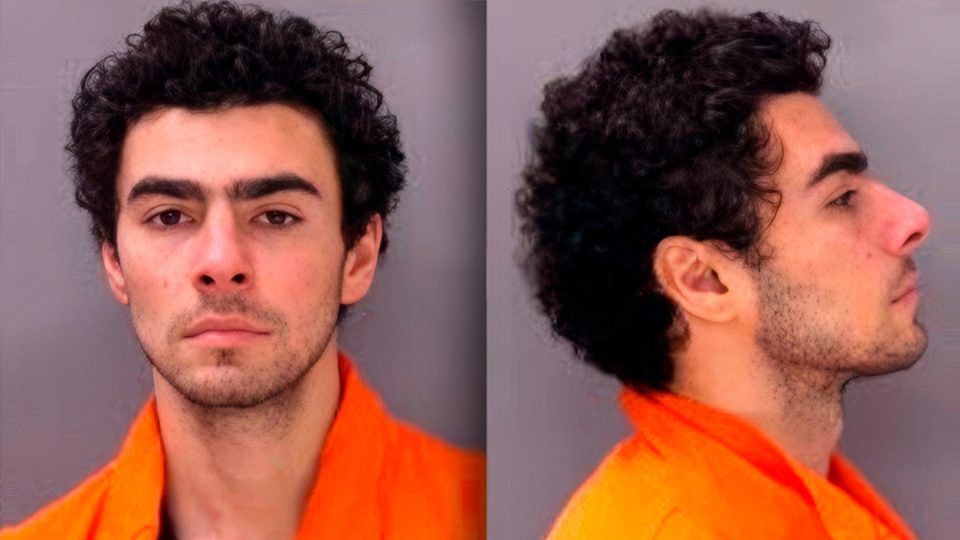
http://vintagegoodness.com/new-goodness-on-etsy-vintage-work-safety-posters Luigi Mangione’s arrest was as predictable as it was dramatic.
The 26-year-old suspect in the shooting of UnitedHealthcare CEO Brian Thompson was apprehended within days of the high-profile crime, tracked down in Altoona, Pennsylvania, after being identified by a McDonald’s employee who recognized him from news reports.
His swift capture wasn’t just the result of public vigilance—it was the culmination of living in a country where the watchful eyes of surveillance rarely miss.
Mangione’s path to arrest offers a blueprint for modern crime-solving. Surveillance footage placed him near the New York Hilton Midtown before the shooting, and his use of a fake ID to check into a nearby hostel was easily unraveled.
Cameras tracked his movements; digital breadcrumbs exposed his trail. The high-tech tools of America’s surveillance network made it nearly impossible for him to disappear, even as he fled hundreds of miles away.
This is not an isolated case. Consider the Boston Marathon bombing in 2013. Within days, authorities used footage from street cameras and crowd-sourced photos to identify and locate the Tsarnaev brothers. Dzhokhar Tsarnaev was found hiding in a boat in a suburban backyard, his capture facilitated by a combination of infrared imaging from a police helicopter and tip-offs from locals.
Or take the 2021 Capitol riot. The FBI relied heavily on public tips, but also on facial recognition software and a vast trove of video evidence to track down participants, arresting hundreds in a matter of weeks. Even crimes that seem impulsive or chaotic are swiftly contained in a nation where nearly every corner, every transaction, and every public act is recorded.
The surveillance state has transformed criminal investigations into near-certainties. Cameras on streetlights, phones, and ATMs turn cities into sprawling evidence networks. Algorithms comb through video footage faster than any human could. Social media posts and GPS records connect suspects to their crimes with astonishing precision.
But here’s the uncomfortable question: Are we okay with this?
On one hand, it’s hard to argue against the benefits. Dangerous individuals like Mangione are caught before they can strike again. Victims and their families see justice served in record time. The deterrent effect alone may give potential offenders pause.
On the other, what does it cost us? Every breakthrough in surveillance capability comes with an erosion of privacy. Cameras don’t differentiate between criminals and citizens going about their lives. Every tracked movement, every flagged ID, every search history scrutinized—these tools don’t switch off once the crime is solved.
For now, the results are undeniable. Mangione’s arrest was, if not entirely predictable, certainly inevitable in the United Surveillance of America. The system works. But whether we’re comfortable living under its gaze remains a question we may never fully answer.