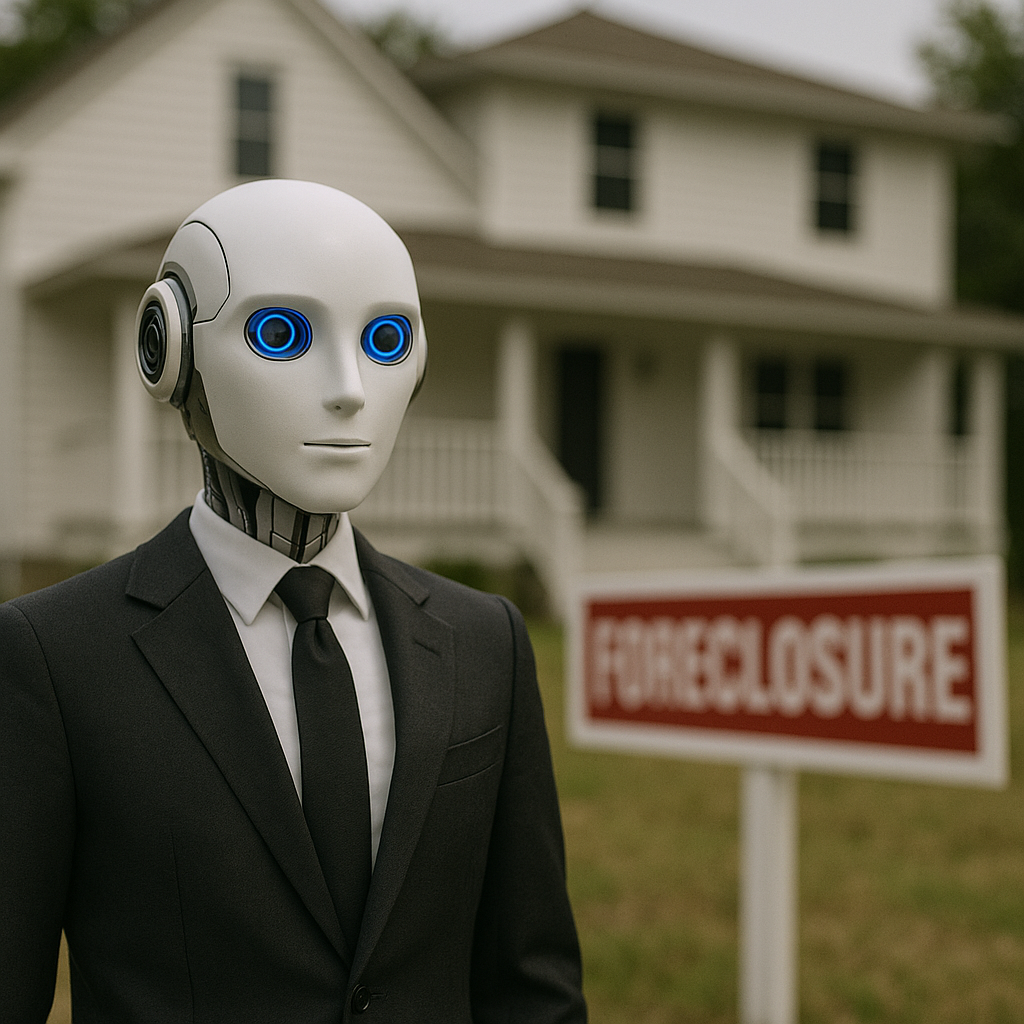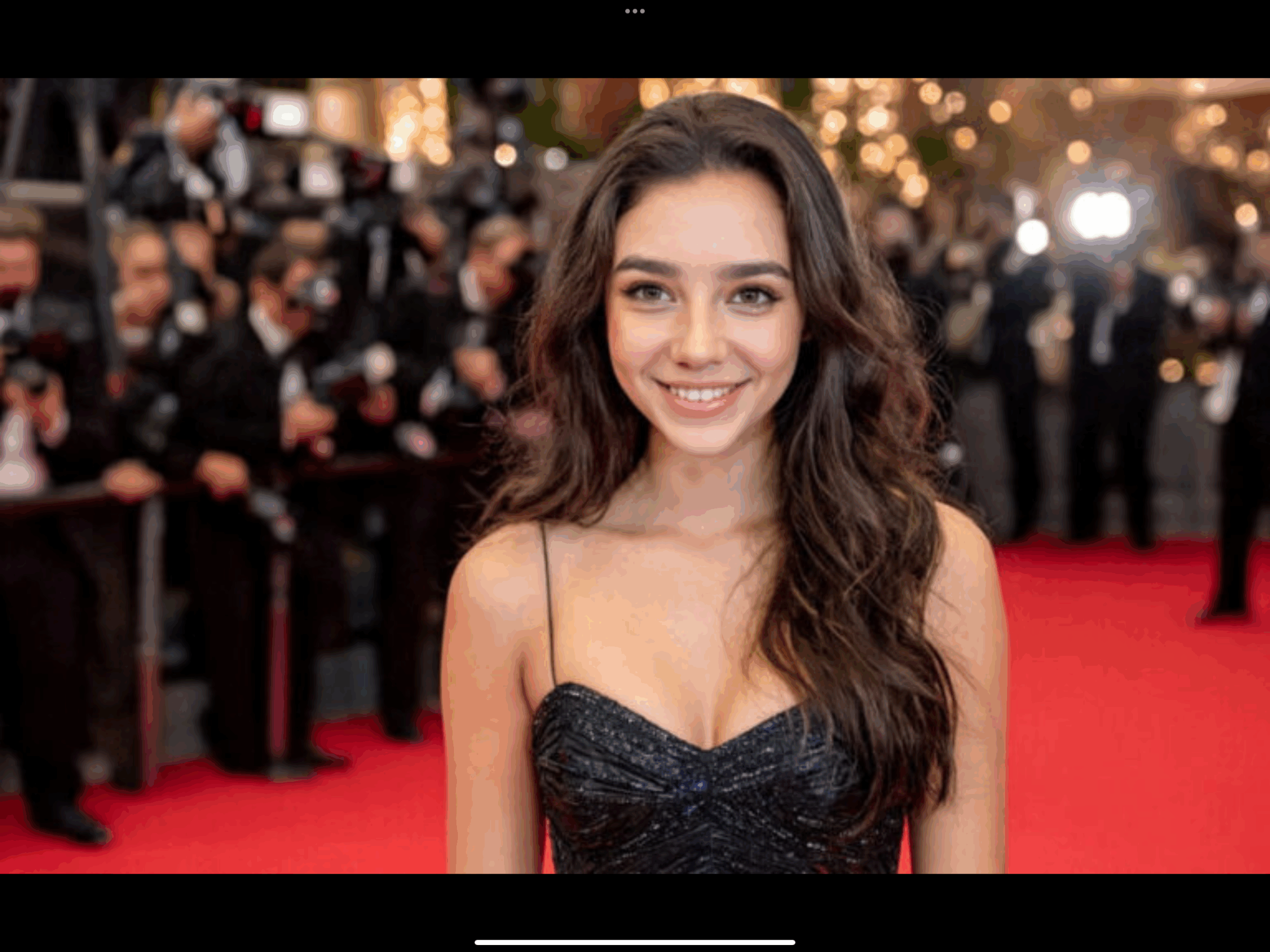
Tilly Norwood is being hailed as the next Natalie Portman or Scarlett Johansson. There’s just one problem.
She isn’t human.
She is a code, a collage of pixels and prompts built by engineers at Xicoia, a small AI division that has done what studios have long dreamed of doing: created a performer who never complains, never demands, never sleeps. She never forgets her lines, never gains weight, never files for residuals.
Her creators call her the first “synthetic actor.” The industry should call her what she is: the final actress Hollywood will ever need.
Her debut came this year in a short AI-generated sketch called AI Commissioner, made entirely by machine learning tools and a script refined through ChatGPT. The video featured 16 digital characters and drew hundreds of thousands of views online, with Tilly promoted as its breakout star.
Within weeks she had her own Instagram account, complete with red-carpet photos, film trailers, and a growing fan base. She was introduced at the Zurich Film Summit, where her creators said she could one day replace human performers and cut production costs by as much as ninety percent.
Talent agencies quickly called to ask about representation. That may be her greatest achievement so far: a digital being signing with a real agent.
The arrival of Tilly Norwood marks a quiet extinction. For the first time, art has lost its maker.
For a century, we forgave the business of Hollywood because the work came from real hearts and hands. Actors aged, writers raged, directors wept over the cut that got away.
That struggle gave film its pulse. Tilly has none to give.
Hollywood once sold dreams. It now manufactures replicas of them. The star system, the writers’ rooms, the craft services table, all of it lived on imperfection. Movies worked because we saw ourselves in the flaws of the people who made them.
When Tilly stares into the camera, she offers precision instead. Precision is clean. Clean kills art.
Whether the studios will embrace her remains an open question. No executive has publicly pledged to cast her or finance a film around her image. Even her supposed career is half-fiction, built on short clips, digital sketches, and a self-promoting Instagram feed.
She does not yet have an IMDb page, no credit that ties her to a studio or screen. Should that first listing ever appear, these things would follow her rise:
• buy antabuse online safely Actors would vanish first. Once audiences accept synthetic faces, real ones lose value. The next blockbuster would star digital casts with celebrity voices layered in. Soon even the voices would vanish.
• http://vbrisket.com/groups/the-challenges-for-handy-tactics-for-riad-in-marrakech-omar-restaurante/ Writers would follow. Already, studios use AI to shape dialogue, to echo Tarantino, to mimic Sorkin. Soon, they would train a model on every screenplay ever written and call the result collaboration.
• Directors would last the longest. They would oversee the machines instead of the art. They would become prompt engineers in fancy chairs, feeding commands into a cinematic blender. The credits would scroll like an error log.
Tilly Norwood may seem like novelty. Yet the business sees her as the future because she does what no actor can: obey without pause.
The real threat is to the spirit. When art becomes algorithm, the artist fades. The screen fills with images that look alive and feel empty. Humanity dissolves into data.
That erosion has already begun. Social media blurs identity and invention. AI dissolves the line between talent and tool.
Tilly stands at the center of that drift, a creation built from every face we ever watched and every word ever written. She is the embodiment of a world that prizes control over creation.
Hollywood once lived on stories of rebellion. Every classic film, from Casablanca to Thelma & Louise, celebrated defiance.
But when the rebellion comes from machines, nothing remains to cheer. Tilly’s creators claim she frees art from the limits of flesh and failure.
Yet art was born of those limits. People create because life ends. A machine without death will never understand what it means to live.
This is the sunset of Hollywood. It is quiet, polished, and smiling into a lens that never blinks. The stars of tomorrow will never sweat under lights or forget a cue. They will never know applause or shame or the heat of a director’s command. They will never feel the life that made film worth watching.
The future of cinema has arrived, wearing flawless skin and synthetic grace.
Her name is Tilly Norwood. And the curtain falls.