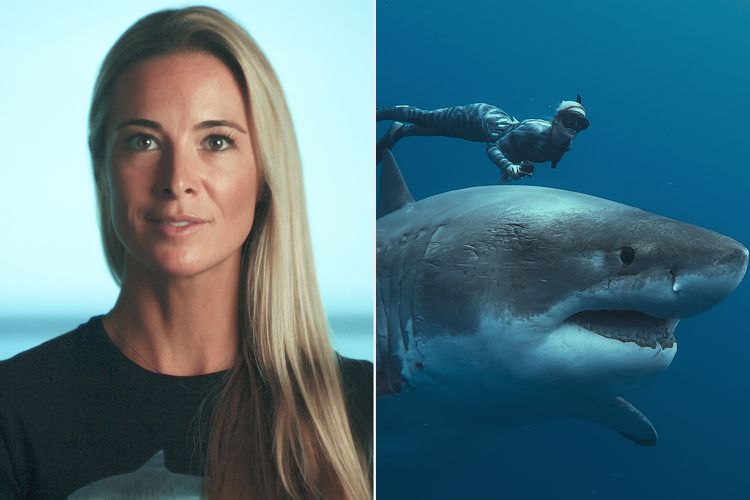
how to purchase prednisone Netflix’s Shark Whisperer is a bit misleading: Ocean Ramsey doesn’t whisper to sharks — she waltzes with them.
The streamer’s latest is a portrait of sharks and the bond one diver builds with them. Ramsey moves alongside tiger sharks with steady confidence. The water is clear, her wetsuit stark against the blue water. Each touch feels deliberate.
The film is striking, the underwater shots (from her cameraman husband) some of the best in recent memory. It ranks with National Geographic or Animal Planet.
Ramsey’s goal is simple: change how we see sharks. She shows them as curious and powerful rather than mindless killers. She points out that humans kill millions of sharks each year while sharks kill few people.
Ramsey pushes for legal protections and broader understanding throughout the documentary, and succeeds in spearheading a law banning shark hunting in her home state, Hawaii.
Director Juan Oliphant frames her as both advocate and performer. Every movement becomes a message against fear. Ramsey believes contact can change public perception, and the film backs this fully. It highlights her work pushing for new laws and shifting public attitudes.
The footage could win over lifelong skeptics. And for many, that will be enough — a rare look into a world we barely understand. You finish these scenes thinking sharks are not monsters but large, complicated animals worth protecting.
Yet in focusing so much on Ramsey, the film loses other voices. It skips Indigenous Hawaiian views that see sharks as family, not props. It avoids scientific concerns that these interactions may be risky and self-serving. By turning the spotlight on one person, it risks becoming personal myth instead of shared mission.
Still, Shark Whisperer lands its main point. It may do more to help sharks than any lecture or policy report. It leaves you thinking about what sharks need most: space, protection, and respect.
Ultimately, Shark Whisperer underscores that sharks don’t crave our touch — they demand our respect.
We are living in the United States of Alternative Facts, and the return of measles is its latest holy sacrament.
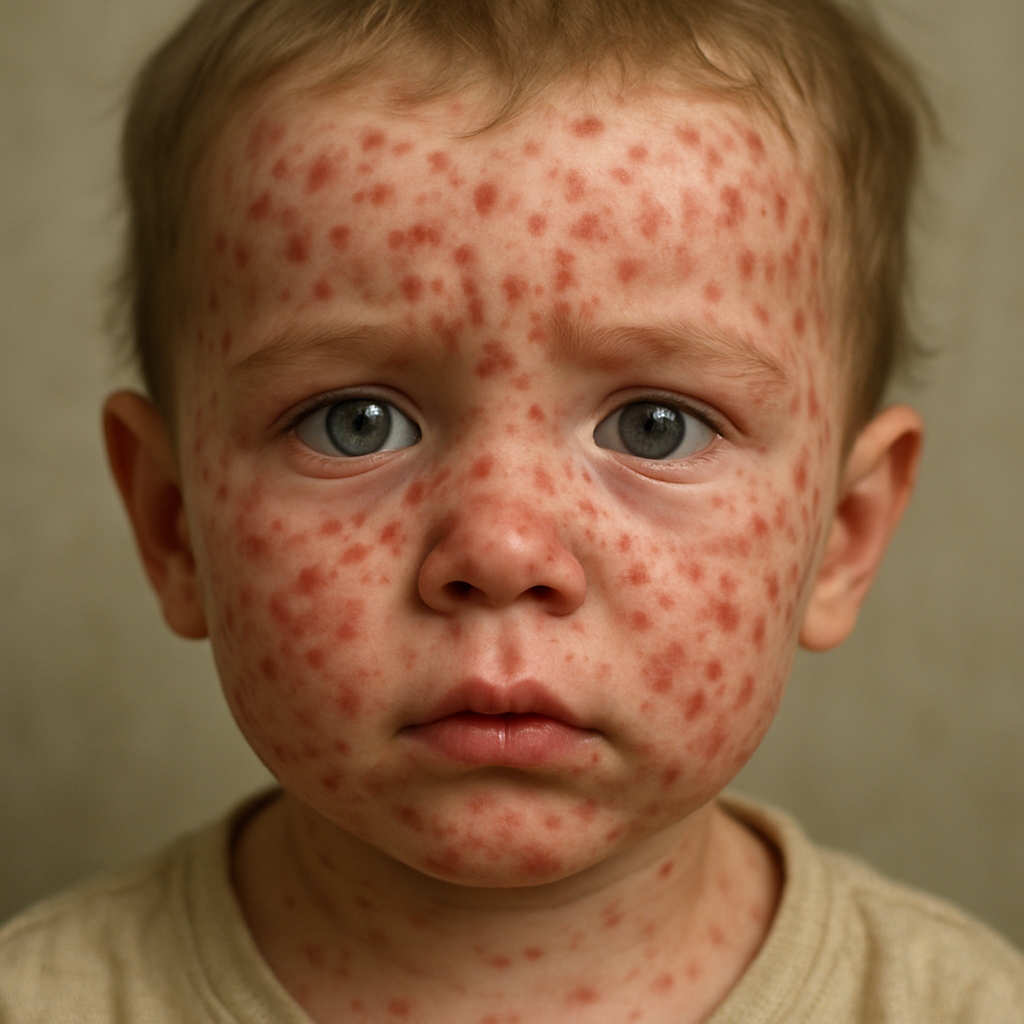
They declared it dead in 2000 — eliminated, finished, a medical triumph. But in 2025, hospitals fill, kids fight for air, families hold funerals. Before the vaccine, measles infected 3–4 million Americans each year, hospitalized 48,000, and killed 400–500.
Then science nearly erased it. But there seems to be no stopping our faith in ignorance.
Now, the CDC reports 1,288 confirmed cases across 39 states, with 162 hospitalizations and three deaths — the first measles fatalities in a decade. Numbers remind us that science succeeds when embraced and communities protect each other through shared effort.
Robert F. Kennedy Jr., the worm-brained Secretary of Health and Human Services, builds a pulpit on vaccine fear, preaching to followers eager to see science as conspiracy and shots as threats. Donald Trump fuels the chorus, praising “freedom” as the right to spread disease to neighbors, classrooms, and newborns. They offer a message that glorifies self-interest and frames public health as an enemy rather than a shared shield.
This surge shows a country that celebrates delusion and rewards ignorance. Americans trade evidence for gut feelings, data for rumor, and doctors for self-anointed prophets. In few nations does a health official rise to power after calling vaccines poison.
America crowns that rejection of science with authority, sending a clear signal that belief matters more than proof and that echo chambers matter more than expert consensus.
Measles rises because Americans choose fantasy over collective responsibility. Many embrace the idea that they stand apart from biology and above consequence. They wear personal conviction as armor, convinced that courage means resisting proven tools instead of using them to save lives.
Vaccines deliver modern miracles — our best armor against preventable death. Choosing them strengthens communities and shows shared courage. A vaccinated society stands together, embodying strength in numbers and protecting those too young or vulnerable to defend themselves.
Measles spreads because Americans welcomed it, convinced they outwitted scientists and every grave in every children’s cemetery.
America embraces delusion, celebrates martyrdom to ignorance.