http://relaxapartmanitara.com/jewish-dating-review-2/simple-tips-to-navigate-the-waters-of-online-40/ How do you make a war film that is antiwar, an epic that undermines its own grandeur, a masterpiece that never stops bleeding?
http://bfnionizers.com/b0.php You make Apocalypse Now. And then you watch it unravel you.
Francis Ford Coppola’s 1979 fever dream is one of the most ambitious acts of cinematic self-destruction ever filmed. It begins as a mission and ends as a meditation, not just on Vietnam, but on the disease of power, the moral rot of empire, and the strange poetry of collapse. It is not a war film. It is a film about war’s hallucinatory pull—the way it bends light and logic and turns men into myths.
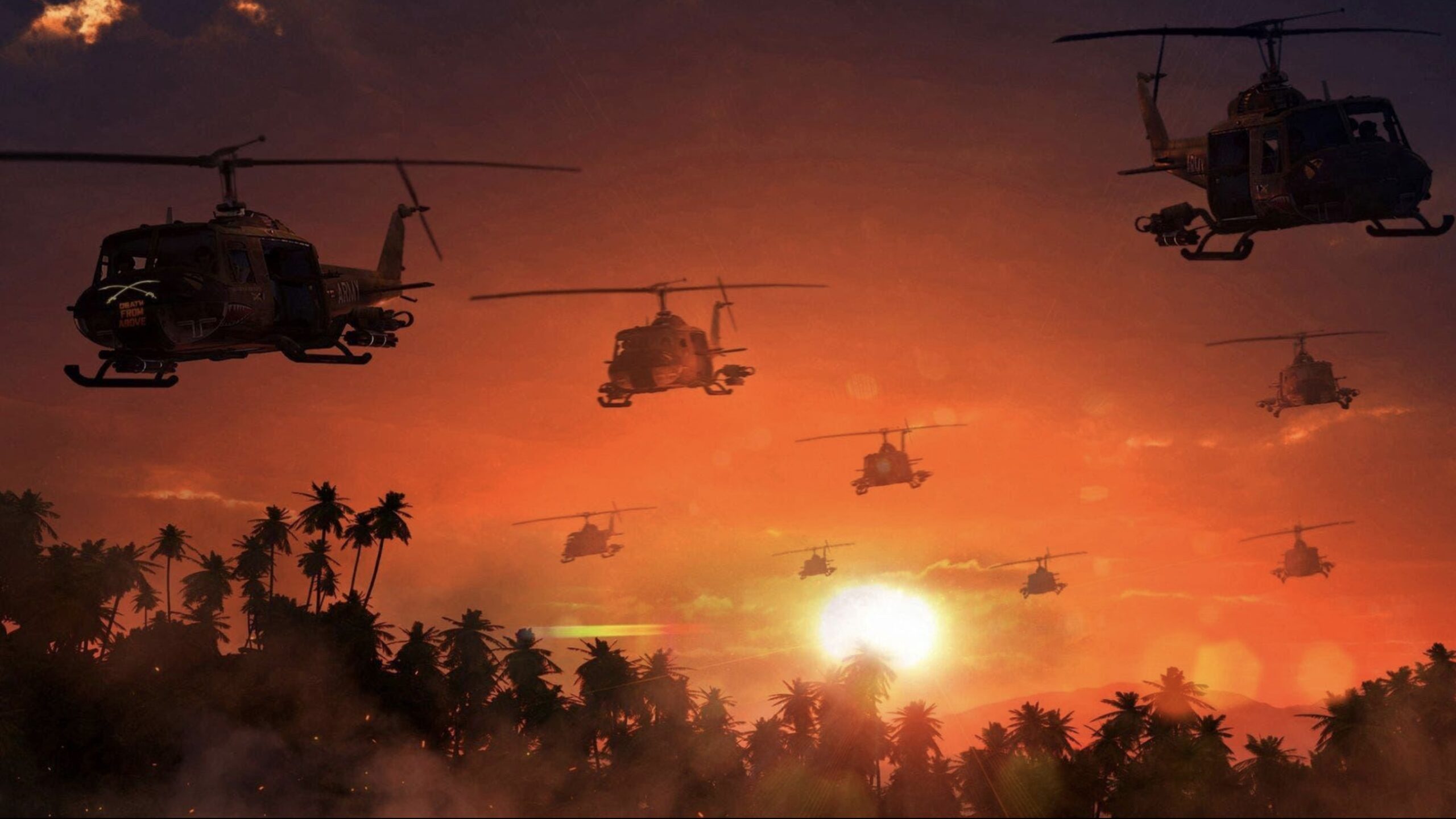
It opens not with guns, but with The Doors. Jungle palms drift across the screen as helicopters and napalm melt through the soundtrack. A man lies in a Saigon hotel room, sweating, shaking, spinning toward madness. That man is Captain Willard, but he is also Coppola, and also us. He is the tether to the river, the escort into hell.
There are a hundred reasons Apocalypse Now should have failed.
- The budget ballooned.
- The star (Martin Sheen) had a heart attack.
- The weather destroyed sets.
- Marlon Brando showed up overweight, unread, and unwilling.
And yet, the chaos made the film. The madness wasn’t around the movie—it was the movie. Coppola knew it, too. At Cannes, he famously said, “My film is not about Vietnam. It is Vietnam.” That wasn’t just bravado. That was confession.
Because this isn’t a story about winning or losing. It’s a story about knowing.
About how far down the river you’ll go to find the truth.
About how far into yourself you’re willing to stare.
The film adapts Joseph Conrad’s Heart of Darkness, but it doesn’t transpose so much as transfigure. Vietnam replaces the Congo. A classified mission replaces colonial trade.
But the descent—the moral erosion—is still the story. As Willard rides deeper into the jungle, the war gets stranger, louder, more unhinged: Robert Duvall’s surfing colonel dropping napalm because the waves are good; Playboy bunnies helicoptered in for a show and then airlifted out like contraband; a French plantation scene (often cut) where the ghosts of colonialism smoke opium and pretend history can be negotiated.
Each stop on the river is a station of the cross. Each scene asks a question the next one refuses to answer.
And then there’s Kurtz.
Brando’s shadow, mumbling from the temple of despair. He’s barely a man anymore. He’s a whisper in the jungle, a god gone to seed. That he showed up to the shoot grossly overweight only adds to the mythos; here he represents the excesses of American military.
Kurtz recites Eliot. He murders with ceremony. He’s become the thing America pretends doesn’t exist: a soldier who understood the war, and kept going.
Kurtz isn’t the villain. The war is. The horror is.
And it is beautiful.
Vittorio Storaro’s cinematography doesn’t just capture the jungle—it devours it in gold and smoke. Walter Murch’s sound design builds a nightmare from whirring blades and broken hymns. Every frame is deliberate delirium.
This isn’t a film you watch. It’s one you survive.
Coppola didn’t just chronicle a descent into madness. He brought a camera with him. And the miracle is: he brought something back.
Some films entertain. Some inform. A few transform.
Apocalypse Now leaves you haunted—and grateful for the wounds.