http://childpsychiatryassociates.com/?p=1892 Math is the best we have. So far.
Tizimín That is not a small thing. Math put men on the moon. It predicted black holes decades before we photographed one. It traces the arc of a thrown stone and the curve of spacetime with the same precision. No other tool humans have built comes close.
But a telescope is not the sky.
This is the question Evidentialism asks. Not whether god exists. Not whether science works. Those arguments are settled, or should be. The question is whether the instrument we use to measure reality can measure all of it.
So far, the evidence suggests it cannot.
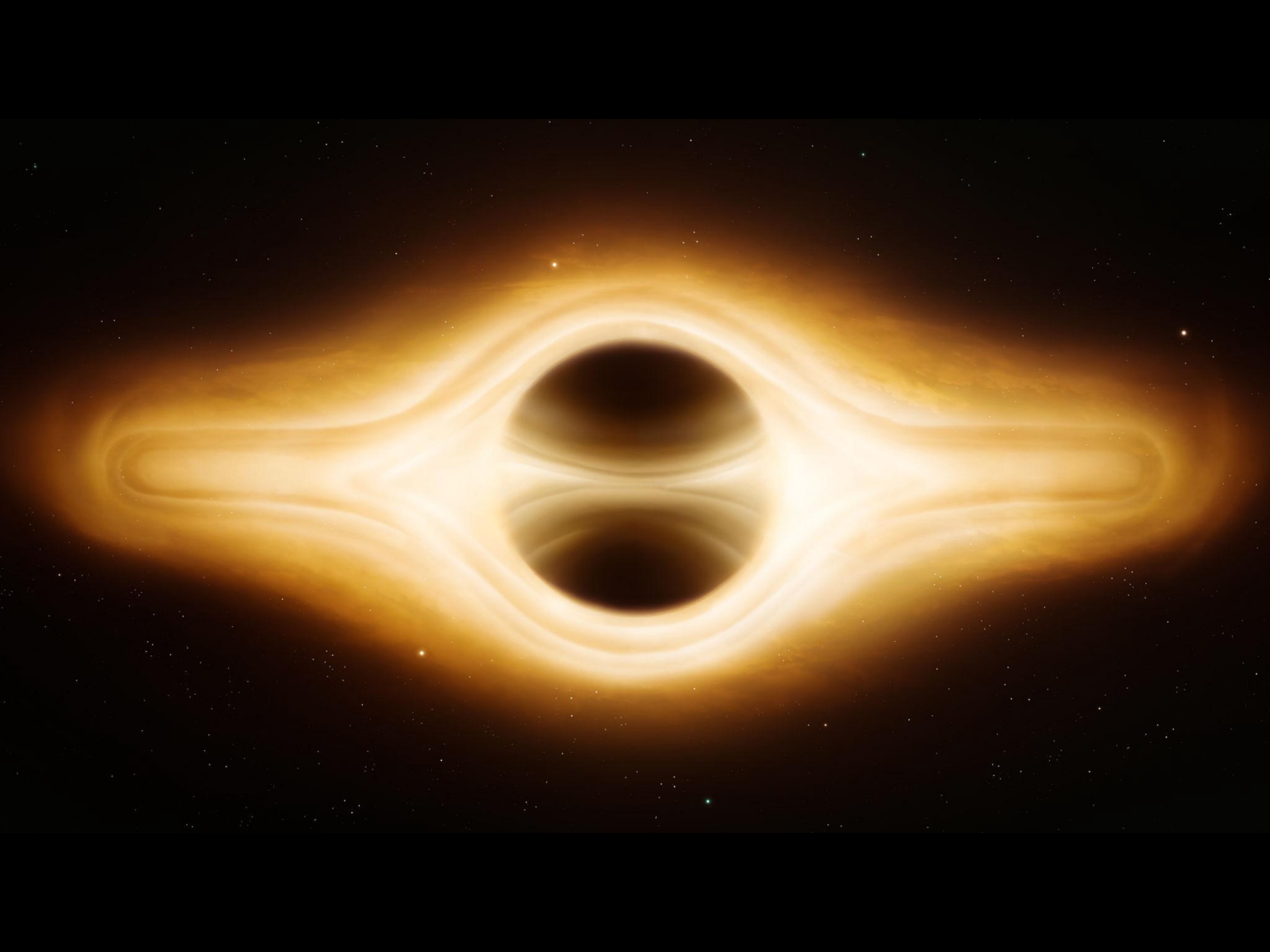
The math breaks at the singularity, the point inside a black hole where gravity crushes matter into a space so small the equations return infinities. Not large numbers. Infinities. The formulas that track planets and bend light reach that boundary and stop describing reality.
It also breaks at the other end of the scale. At the quantum level, particles occupy multiple states until observation forces a result. Cause and effect blur. The outcome depends on the act of measurement.
General relativity explains the very large. Quantum mechanics explains the very small. Both work. They refuse to fit together.
Something is missing.
Evidentialism does not fill that gap with scripture. It calls on the search for deeper depth. The commitment to keep looking is the faith itself.
Evidentialism is a faith, though it looks different from the old ones.
There is no book. No prophet. No sanctuary walls. But there are figures who bend the human mind toward the unknown. Newton. Einstein. Hawking. People who read the universe the way earlier ages read sacred texts.
And the text they read is mathematics.
The evidence shows a deep mathematical order running beneath everything we see. Fibonacci spirals appear in nautilus shells, sunflower seeds, and galaxies. Pi runs forever without repeating. The golden ratio turns up in faces, raptor flight, and the structure of DNA. Nobody placed those patterns there. We discovered them.
And at the edge of that order, the math runs out.
That is a reason to keep looking. In Evidentialism, that is what faith means.
Call it Spinoza’s God, or Einstein’s cosmic religion-adjacent. Evidentialism lives near that territory. The difference is practical. Evidentialism is a belief system, and belief systems receive recognition. And recompense.
Churches pay no taxes. They occupy valuable land and receive federal protections because society grants belief systems institutional respect.
Yet the belief system that eradicated smallpox, sequenced the human genome, and placed machines on Mars survives on grants and budget fights.
That deserves examination.
Think of it this way. For centuries astronomers mapped the sky with the naked eye and did remarkable work. They charted planets. They predicted eclipses. Their models held for generations.
Then someone ground a lens and the universe exploded into detail. New moons. New galaxies. New questions.
The sky did not change. The tool did.
We may be living in the naked-eye moment of mathematics.
Math is the best we have. It may not be the best there is. And that is the beauty of it.
That is the reason to believe.