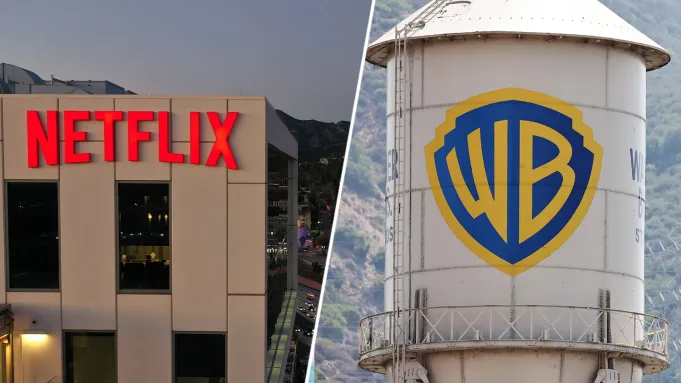
Today marks the day streaming took over Hollywood for good.
http://childpsychiatryassociates.com/?p=1882 Netflix’s takeover of Warner Bros. and HBO Max signals a shift with real permanence. A streamer now owns the studio that shaped the American blockbuster.
A platform built for laptops and living rooms now controls the stories that filled theaters for generations. The road points in one direction: Streaming drives the industry, and this merger locks that course into place.
Netflix gains a studio with a century of craft. Warner gains a parent with global reach, steady cash flow, and a hunger for volume.
They fit together with unusual force. Netflix brings the distribution muscle. Warner brings the production engine.
Three truths rise from the deal:
• Netflix now holds one of the deepest libraries in film and television
• HBO’s creative power now enters a pipeline that serves hundreds of millions on demand
• The theatrical slate now sits inside a corporate culture built for streaming-first release
The step comes at a moment when theatrical windows already sit on a shrinking timeline. Studios release films on Friday and often prepare them for home release within weeks. The old months-long windows that once protected theaters have melted.
This merger accelerates that frenzy. Netflix thrives on speed. Warner thrives on scale. The combination favors rapid release cycles that serve subscription growth over packed theaters.
Audiences feel this shift in their routines. They can open one app and find the classics, the franchises, the Prestige TV, and the new global hits in the same place. Families scroll for comfort. Fans search for familiar worlds. Viewers chase fresh shows from creators who now sit inside a stable system with clear goals. This convenience shapes habits faster than any marketing campaign.
The deal also gives Warner something rare in the modern studio world. It gives direction. Netflix operates with long-term planning. It builds pipelines. It supports heavy output. Warner’s filmmakers now work with a partner that rewards constant production and global ambition. Worlds can grow inside that environment. Character arcs can stretch across years. Franchises can advance with purpose.
Regulators are watching. The size of this union triggers attention across the political map. Large mergers influence access, pricing, and competition.
Yet the cultural current remains clear. The industry moves toward fewer services with larger libraries. This deal strengthens that pattern, though the cost to consumers remains unclear.
The theatrical world, too, stands at a crossroads. Warner helped define the big screen. Netflix prefers speed and global access. Together they will shape a release strategy that focuses on quick transitions from theater to home.
Moviegoers still love the communal experience, and filmmakers still chase scale, but the business now favors flexibility. The platform that controls the biggest library holds the strongest hand.
This merger creates a colossus of content, talent, and global distribution. It gives Netflix the crown once held by the classic studios. It also signals a future with slimmer theatrical windows and faster release cycles.
Hollywood just placed its bet streaming. The momentum now feels set.