where can you buy disulfiram They say they love America, but they keep trying to silence its voice.
In a late-night vote, the U.S. Senate approved the most sweeping attack on public broadcasting in modern history, passing a rescissions bill that would slash up to $1.9 billion from the Corporation for Public Broadcasting (CPB)—effectively gutting both PBS and NPR.
Backed by P=Trump and passed 51–48 along mostly partisan lines, the legislation moves to the House for a rushed vote by Friday night. If it clears that hurdle, Trump has vowed to sign it into law—bringing a slow, deliberate chokehold on America’s most trusted non-commercial media to completion.
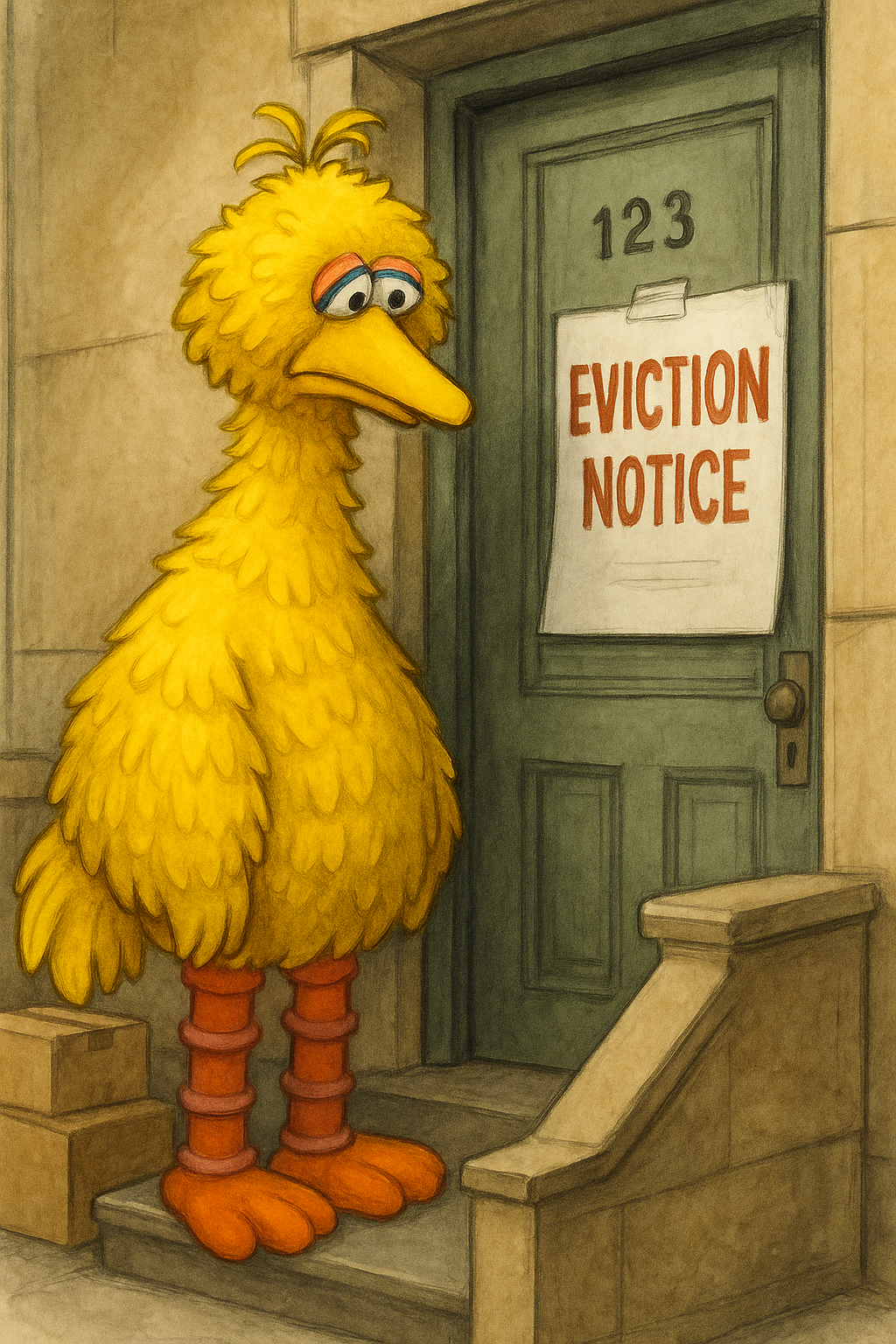
You don’t have to be a fan of Sesame Street or All Things Considered to recognize the scale of this assault. What’s at stake isn’t just Big Bird and Terry Gross—it’s access to education, public safety updates, local journalism, and independent media not controlled by commercial or corporate interests. This is ideological retribution masquerading as fiscal responsibility.
Let’s be clear: PBS and NPR aren’t lavishly funded federal beasts. They’ve been surviving on budgetary crumbs for decades. The proposed cuts would eliminate those crumbs entirely.
Abingdon The Cuts at a Glance
Corporation for Public Broadcasting (CPB)
- 2025 federal appropriation: $535 million
- Proposed rescission: $1.1 to $1.9 billion over two years
- CPB funding supports over 1,500 public radio and TV stations nationwide
PBS (Public Television)
- Receives ~$267.8 million annually via CPB
- Federal funds = ~15% of PBS’s overall national budget
- For rural PBS affiliates: funding = up to 50% of budget
- Impact: major cuts to children’s programming, emergency broadcast systems, rural signal access
NPR (National Public Radio and Member Stations)
- NPR itself gets <1% of its budget from federal funds
- Local NPR member stations get 10–16% of budget from CPB
- In rural areas: up to 60%
- In cities like LA, Boston: 7–12%
- Impact: station closures, layoffs, loss of local newsrooms and weather alerts
This is a playbook, not a policy. Trump’s executive order in May directed CPB to cease all support for NPR and PBS. Today’s Senate vote is the scalpel. Together, they’re the culmination of a long war against independent, fact-based media. One that began with cries of “liberal bias” and is ending with financial censorship.
A 2023 Pew survey found that 72% of Americans trust their local PBS and NPR stations more than any cable news outlet. That trust is now on the chopping block.
And what’s the price tag for all this carnage?
Roughly $1.1 billion, or about 36 hours of Pentagon spending.
We’ve been told this is about cutting waste. But the real waste is what we’ll lose: programming that informs without ads, teaches without charge, and tells stories without allegiance to sponsors.
The only thing this administration seems willing to subsidize is ignorance.