order disulfiram online uk
America is drowning.
This is the summer of 2025, and the country is underwater.
Texas drowned campers over the Fourth. New York drowned its commuters the week after. North Carolina, New Mexico, D.C.—same storm, different city.
In the Hill Country, the Guadalupe River rose 26 feet in 90 minutes. A girls’ camp was wiped out. No sirens. No warnings. Just rain, then ruin. They found bodies by smell.
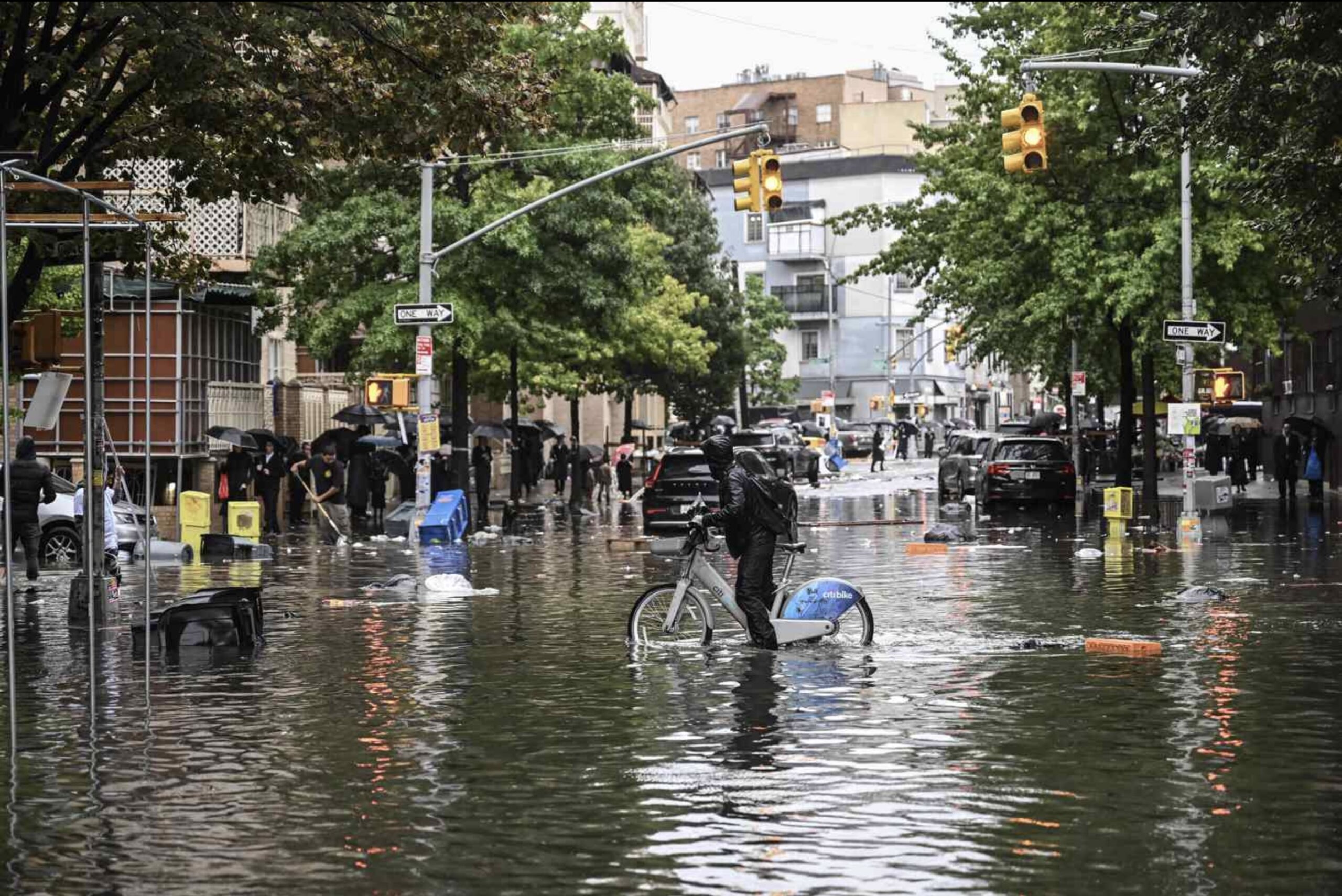
In New York, subways filled like bathtubs. One hour, two inches. Streets turned canals. Emergency alerts hit phones after the flood was already knee-deep.
Meteorologists have already called it: 2025 is the wettest year on U.S. record. The National Weather Service has issued more flood warnings this year than in any year since 1986. We’re only in July.
Why now?
Start with heat. Oceans are hot—record-hot. That turns the air thick with water. Then the Bermuda High, a pressure system parked over the Atlantic, sucks that soup inland and dumps it on us. And it hasn’t budged all summer.
The dew point, the true gauge of human misery, has been sky-high for months. It’s not just hot. It’s wet heat, thick heat. The kind that makes your lungs work harder just to breathe.
Add to that a soggy spring—soils already saturated—plus a lack of cold fronts to sweep the mess out. Now every thunderstorm becomes a flash flood waiting to happen.
The result? Death, displacement, and a rising sense that no one is steering the ship.
Texas officials didn’t use their alert systems. Camp leaders hesitated. In D.C., they issued “moderate risk” rainfall alerts three times in two weeks—a record. In most years, they issue one. Maybe two.
Climate change? Yes. This is it. Not sometime later. Not for our grandkids. It’s now. It’s the subway station on 34th. The body bag in Comfort, Texas. The sirens that didn’t scream.
Warmer oceans mean more water in the air. The atmosphere, hotter, holds more. Storms hit harder. Longer. More often.
You want numbers? Since 1970, 90% of major U.S. cities have seen their hourly rainfall intensify. This isn’t cyclical. This is acceleration.
But infrastructure hasn’t kept pace. Texas still uses phone trees. New York’s drainage is prewar. FEMA is underfunded, overpoliticized. Governors yell at Washington. Washington holds hearings. And the next flood keeps forming over the Gulf.
So we float on, wet and waiting.
Still, it’s not hopeless.
After Sandy, New York built seawalls. After Katrina, New Orleans reimagined levees. After the 1913 floods, cities across Europe changed how they built. After Comfort, Texas might finally fix the sirens.
We always rebuild. But we rarely plan ahead.
And if 2025 is any warning, the water’s arriving faster than we are.
Floods don’t wait. Neither should we.