do you need a prescription to buy disulfiram Every Hero Has a Heel
Achilles was the greatest warrior Greece ever produced.
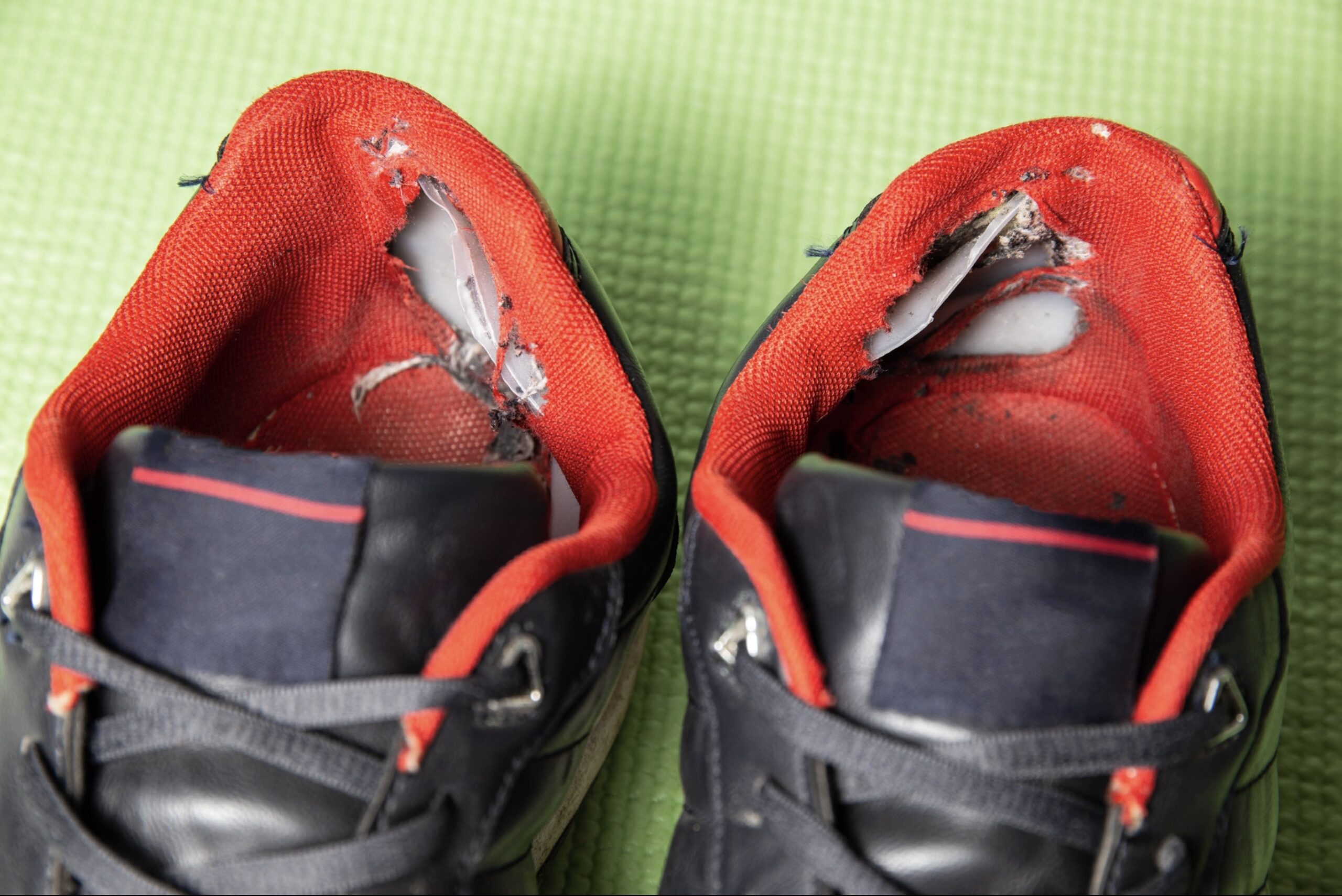
He could run faster than the wind off the Aegean. He could fight longer than any man alive. He brought Troy to its knees. And he died from an arrow through his heel, the one spot his mother forgot to dip in the river Styx.
We all have that spot.
Most people spend a lifetime avoiding it. We build around it. We explain it away. We call it bad luck or bad timing or somebody else’s fault. The heel stays hidden. The arrow finds it anyway.
The first step is paying attention to the pattern.
Not the event. The pattern. A man loses his temper once and it is an incident. He loses it the same way, in the same circumstances, for thirty years. That is a heel. A woman drinks too much at her sister’s wedding and it is a story. She drinks too much at every family gathering for a decade. That is a heel. The pattern is the diagnosis.
Ask yourself where you keep getting hit.
Relationships. Money. Health. Work. The same argument with different people. The same job that ends the same way. The same bill that comes due every few years with interest. Most people can name it if they sit still long enough. The trouble is sitting still.
Talk to the people who know you longest.
Not the people who love you the most uncritically. The ones who have watched you long enough to see the pattern from the outside. A childhood friend. A sibling. A former colleague who still speaks to you honestly. Ask them where they have seen you stumble. Ask them what they have been waiting for you to figure out. Brace yourself. They probably know.
Look at what you protect.
The heel is often hiding inside something that looks like a strength. The most generous person in the room sometimes cannot say no. The hardest worker in the building sometimes cannot stop. The life of the party sometimes cannot be alone. Strengths and heels grow from the same root. Pull on the strength long enough and the heel comes with it.
Consider the family catalog.
Achilles heels run in bloodlines the way blue eyes and bad backs do. Not because destiny is fixed, but because we inherit patterns along with furniture and recipes. A father’s rage becomes a son’s anxiety becomes a grandson’s need for control. The shape changes. The root stays. Look at what the people before you carried. Somewhere in that inventory is information about what you are carrying too.
Name it plainly.
This is the hardest part. Not a clinical term. Not a euphemism. Not a story that makes you the victim of it. A plain sentence. My weakness is my temper. My weakness is the bottle. My weakness is that I run when things get serious. My weakness is that I stay when I should run. Plain language does something poetry cannot do. It makes the thing real enough to work with.
Then comes the part nobody talks about.
You befriend it.
Not excuse it. Not celebrate it. Befriend it the way you befriend a difficult neighbor, with clear eyes, firm limits, and the understanding that you are going to be living next to each other for a long time. The heel does not go away. Achilles did not grow new tissue. He learned to keep moving.
He went to Troy anyway. He fought anyway. He became the thing they still write about three thousand years later.
The arrow was always coming. He did not let it be the whole story.
Neither should you.