http://childpsychiatryassociates.com/treatment-team/ronald-rinehart/ronald_rinehart-600/
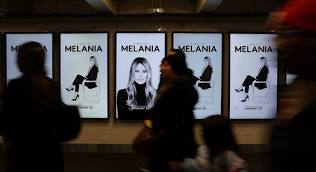
The box office success of Melania wasn’t despite the critical panning; it was because of it.
The documentary pulled in $7 million over its opening weekend, the best debut for a non-music documentary in over a decade. Amazon paid $40 million to acquire the film and spent another $35 million marketing it. Critics savaged it, with Rotten Tomatoes showing just 11% positive reviews, while audiences gave it an A grade on CinemaScore and a 99% approval rating.
The film’s audience was self-selecting from the start. You had to be a Trumper to show up. But that alone didn’t make it succeed. What made it succeed was the weaponization of critical consensus in an age when institutions have lost their authority to shape public opinion.
We are living through a wholesale rejection of expertise. When the president doesn’t believe in scientific consensus, dismisses the legal system as rigged, and treats journalism as enemy propaganda, traditional gatekeepers lose their power. Critics become just another set of voices that can be safely ignored, or better yet, used as proof of persecution.
Because critics are journalists, and journalists, in this worldview, are the opposition. They are the ones who called the Russia investigation legitimate, who said COVID was serious, who insisted the 2020 election wasn’t stolen.
So when those same voices pan Melania, it doesn’t register as aesthetic judgment. It registers as another hoax. Just the media doing what the media does, lying to make Trump and his circle look bad.
The genius, if you can call it that, is how perfectly this creates a closed loop. Bad reviews don’t hurt the film; they validate its audience. Every critical drubbing becomes evidence that the establishment fears what this movie represents. The worse the Rotten Tomatoes score, the more urgent it becomes to buy a ticket and own the libs.
This isn’t about defending a flawed film or even about politics in the traditional sense. It’s about the collapse of shared standards for evaluating truth, quality, or expertise. When credentials become disqualifications and institutional disapproval becomes the highest recommendation, the link between judgment and reality is severed.
And here is the most nauseating part. The fallout will surely follow. If a poorly reviewed hagiography can succeed commercially by turning criticism into marketing, what comes next?
A Steve Bannon biopic where every pan proves he is too dangerous for Hollywood to handle? President Stephen Miller reimagined as a penis-shaped action hero saving America from invaders, with critics’ disgust serving as the ultimate endorsement?
Melania didn’t succeed in spite of being bad. It succeeded because being bad, and being told it’s bad by the right people, was always the point.