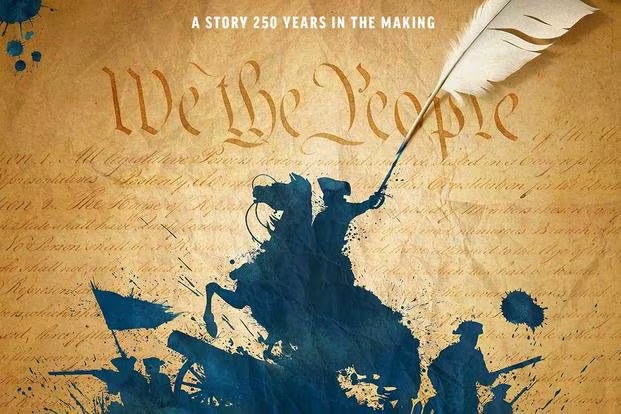
http://childpsychiatryassociates.com///wp-content/plugins/fancy-product-designer/assets/css/fancy-product.css Ken Burns is back in his wheelhouse.
Hoyerswerda With The American Revolution, Burns turns back to long-form history and settles in like he did with The Civil War. This is the same patience, the same slow climb, the same trust in the record. And while not as revolutionary as the predecessor, it works.
The series opens without hurry. It lets the colonies feel small and raw. It lets unrest creep in from the edges. You feel the country gather itself before it knows what it plans to become.
Burns builds the thing out of letters, journals, dispatches, portraits. Ink and faces. Paper and grief. That is the spine. A line in a letter can hold an entire scene.
The war also arrives in layers. Farmers walk away from fields. Sailors push off from safe harbors. Merchants stake fortunes. The show keeps circling back to these people. It treats them as the true center of the story.
This is not a light lift. The episodes run dense. You sit with long stretches of context, long arcs where nothing explodes and no one shouts. You feel time pass.
I liked that choice. Burns leans into the drag of history and refuses the quick cut. The pacing carries the weight of a long march. You feel the miles in your legs by the end of each hour.
The sound work stays clean. The score walks under the images without tug. The narration lands with a steady, human tone. The scholars come in, drop context, and leave. No one fights the record for attention.
Visually, Burns keeps his old habits. Slow moves across old paper. A pan across a painting that feels like a small invasion. A pause that hangs one second longer than you expect. Simple tricks, used with discipline, still work.
You can feel him chasing the same high mark he hit with The Civil War. The new series shares that same faith in ordinary lives caught in a large event. It shares that belief that history reveals character more than plot.
The effect of all this is cumulative. By the time you reach the last episode, you feel less like you watched a series and more like you walked through a file room that came alive.
The country comes into focus in fits and lurches, the way it did the first time.
The American Revolution may be his heaviest series since The Civil War. It also feels like the one that trusts the viewer the most.