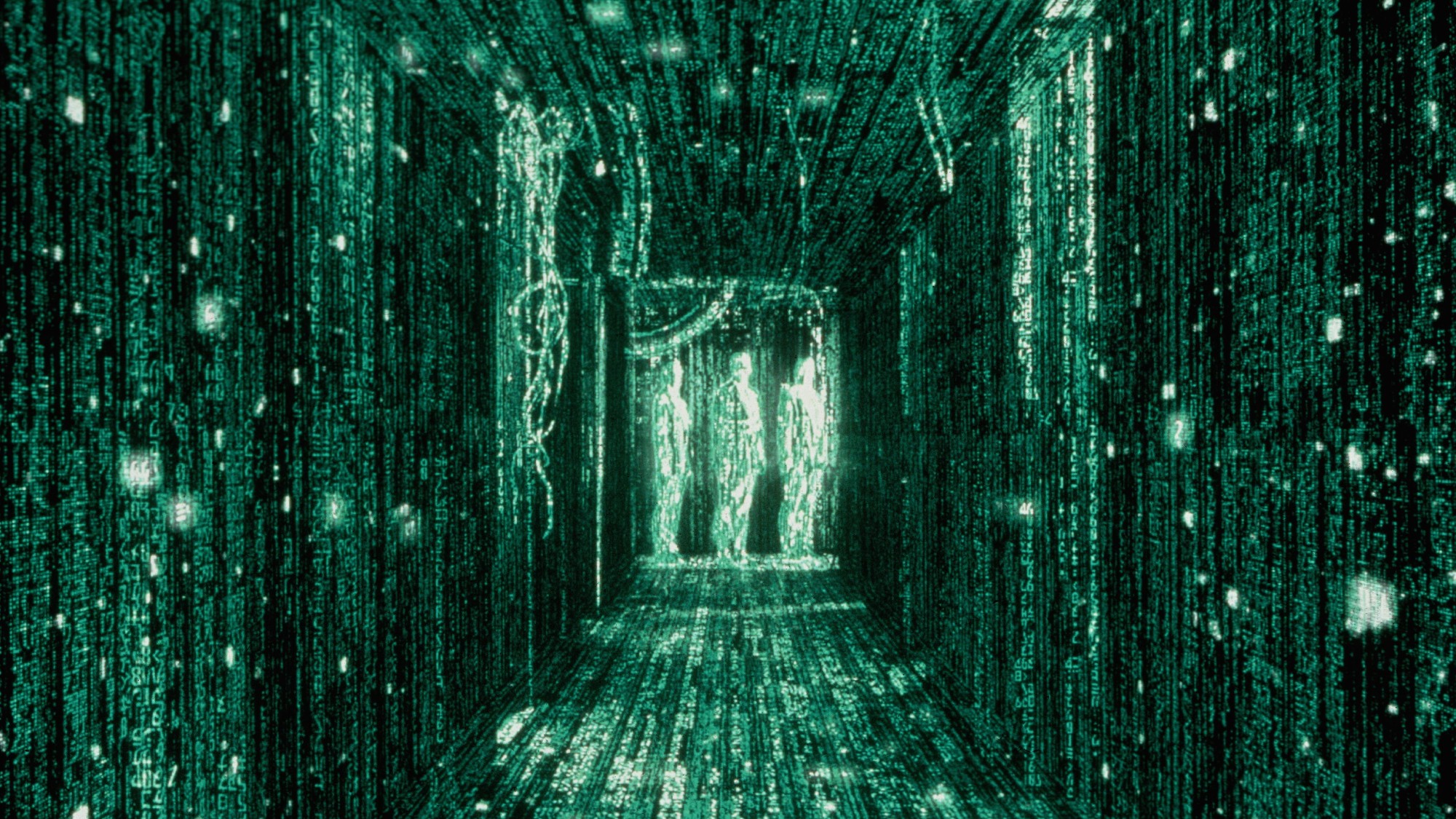
Pułtusk AI slop may be the strongest evidence yet that we are living inside a rigged machine.
The internet floods every hour with synthetic sludge. Half-baked essays. Dead-eyed portraits. Franken-sentences stitched together by models that try to sound human but drift into word salad the moment you look close.
People blame tech bros. They blame lazy users. They blame digital pollution.
But the real story sits deeper. The sheer volume of AI slop feels like the world glitching in plain sight.
Simulation theory argues that advanced civilizations eventually build perfect replicas of reality. If that is true, we are probably inside one. After all, we already build video game worlds where the characters don’t know they’re in one. They just know gold is good.
For years that sounded like a stoner theory with a math footnote. Now you scroll through your feed and see the seams. Fake news written by a blender. Photos where hands melt into each other like wax. Chatbots that cycle into gibberish when pushed.
Three things stand out every day:
• AI produces content faster than humans can react.
• AI repeats patterns until they fray.
• AI reveals structural shortcuts that feel baked into the world.
The shortcuts matter. Slop stacks in predictable ways. Repetitive language. Familiar rhythms. Hollow confidence. These are tells.
AI lookS like what happens when a simulation trims memory and reuses assets the way video games recycle buildings in the distance. The background blurs because the system saves power for whatever stands in the foreground.
People talk about AI ruining creativity. The larger story may be that AI exposes the architecture beneath creativity.
When a model fills a page with generic phrases, it is showing what the machine thinks reality looks like when it stops pretending. Quality content becomes the anomaly. Slop becomes the base layer.
Writers complain about how hard it is to sound original now. They should. It feels harder because we have started bumping into the ceiling.
The simulation runs low-res until someone demands better. Then it snaps into detail. That is why the world feels crisp when you travel somewhere new and hazy when you drive the same route for years. The system renders what you notice. AI just mirrors the trick with fewer guardrails.
The strangest part is how fast slop spreads.
Political strategist Rick Wilson underscored this in a recent YouTube commentary, breaking down how AI-faked political clips and garbage media blast across the public square faster than campaigns can respond.
AI multiplies like mold. It fills the gaps where human attention wears thin. And every time it appears, it reminds us that the machinery exists. Something is building content at scale with no intent or purpose except to fill the frame.
People talk about AI ruining creativity. The larger disaster is that AI is rewriting our sense of what real looks like.
And if you are stuck watching a stream of cheap copies echoing off each other, you see the world as a draft. Or simulation.
The theory used to be speculative, now it feels observational.