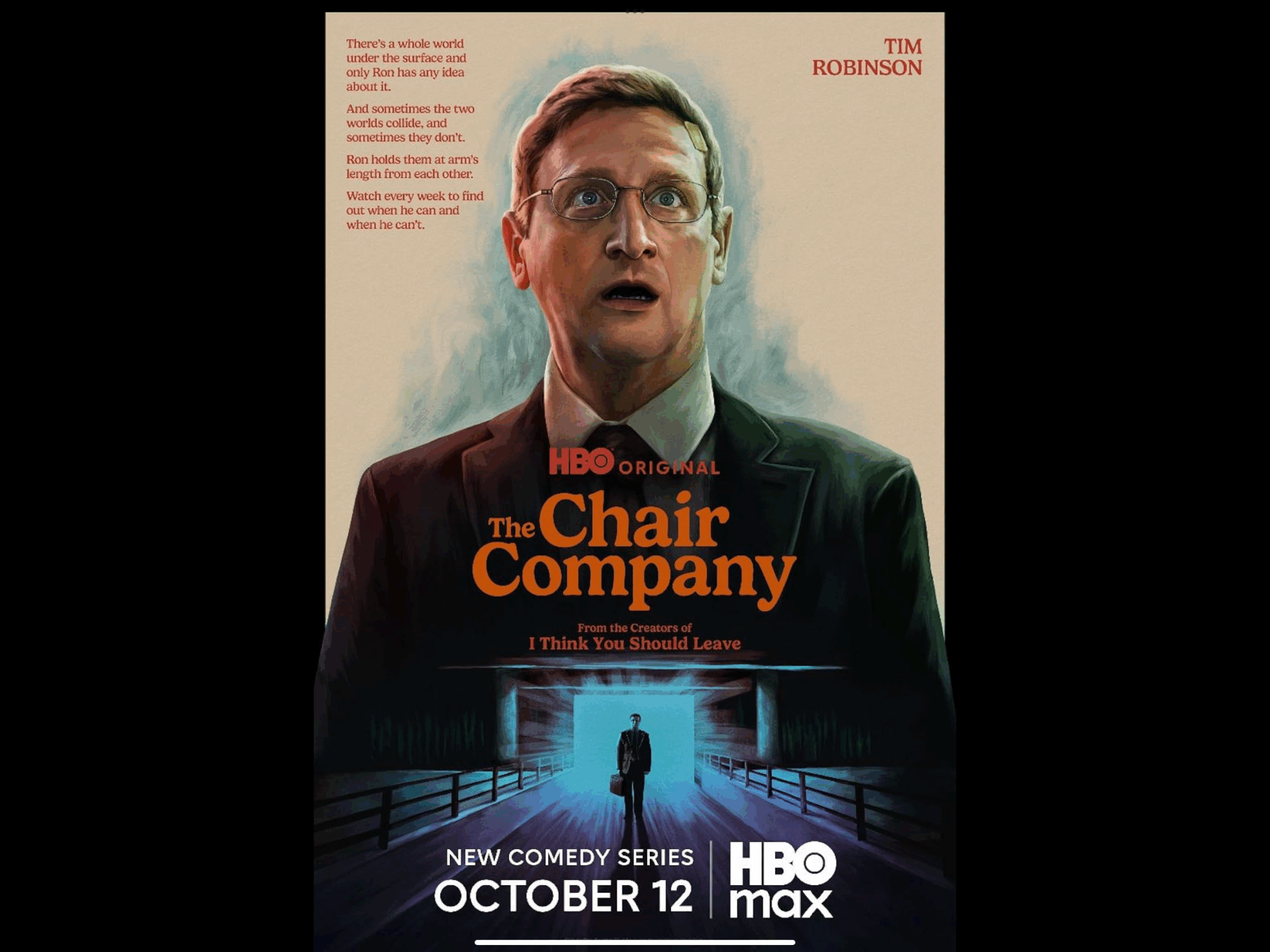
Tim Robinson makes agony feel like art.
buy disulfiram pills His new HBO series, The Chair Company, turns everyday office life into a study in discomfort. It’s part corporate comedy, part fever dream, and all Robinson, a performer who can wring laughter from a pause and panic from a smile.
He plays Ron Trosper, a mid-level employee at a furniture company that seems both ordinary and deeply strange. The job looks routine, but the tension inside every meeting, hallway, and lunchroom feels oddly alive.
Robinson feeds on that tension. He treats politeness as pressure, awkwardness as poetry. Each glance, each nervous cough, builds until you can almost feel the walls close in.
Few comedians understand humiliation like he does. Most chase jokes. Robinson chases the silence after them. He has a gift for the long beat, the half sentence that collapses under its own weight, the look that lasts too long.
Every episode of The Chair Company becomes an endurance test for empathy. You root for him, you cringe for him, and you can’t turn away.
The supporting cast plays it straight. Lake Bell as Barb Trosper anchors Ron’s personal world, Sophia Lillis as Natalie Trosper matches his strain in the family rhythms, Will Price as Seth Trosper reflects the generational gap he can’t bridge, Joseph Tudisco as Mike Santini becomes an unlikely ally in the mess.
Their restraint highlights Robinson’s unraveling so the awkwardness lands harder. The results feel real, like a memory you wish you could forget.
Director Andrew Gaynord shoots the show with a quiet rhythm that suits Robinson’s chaos. The lighting hums with gray unease. The office walls feel too close. The air itself seems stale. Out of that dullness comes something explosive.
Each episode builds toward a small disaster: a presentation that collapses, a team-building exercise that implodes, a meeting that stretches into madness.
Robinson commits completely. His eyes twitch with suppressed fear, his voice trembles under fake confidence, his entire body becomes an instrument of discomfort.
Cringe comedy demands precision. Too much cruelty breaks it. Too much self-awareness dulls it.
Robinson understands that embarrassment can be both tragic and funny, that laughter often hides sympathy. His character never tries to be absurd. He simply tries too hard to be normal.
There’s one caveat: sometimes the cringe cuts deep enough to make you physically react. There are moments when you shift in your seat or look away. But that reaction proves the show’s power. Robinson’s discomfort becomes yours. It feels shared, and that shared pain creates a strange form of joy.
The Chair Company does what few comedies attempt. It turns human weakness into something beautiful. It finds rhythm in failure, grace in self-doubt, and truth in the absurd theatre of office life.
Robinson doesn’t just play a character. He plays a condition, one that feels familiar to anyone who has ever said the wrong thing at the wrong time and kept talking anyway.
It’s the year’s most uncomfortable show. And one of the funniest.