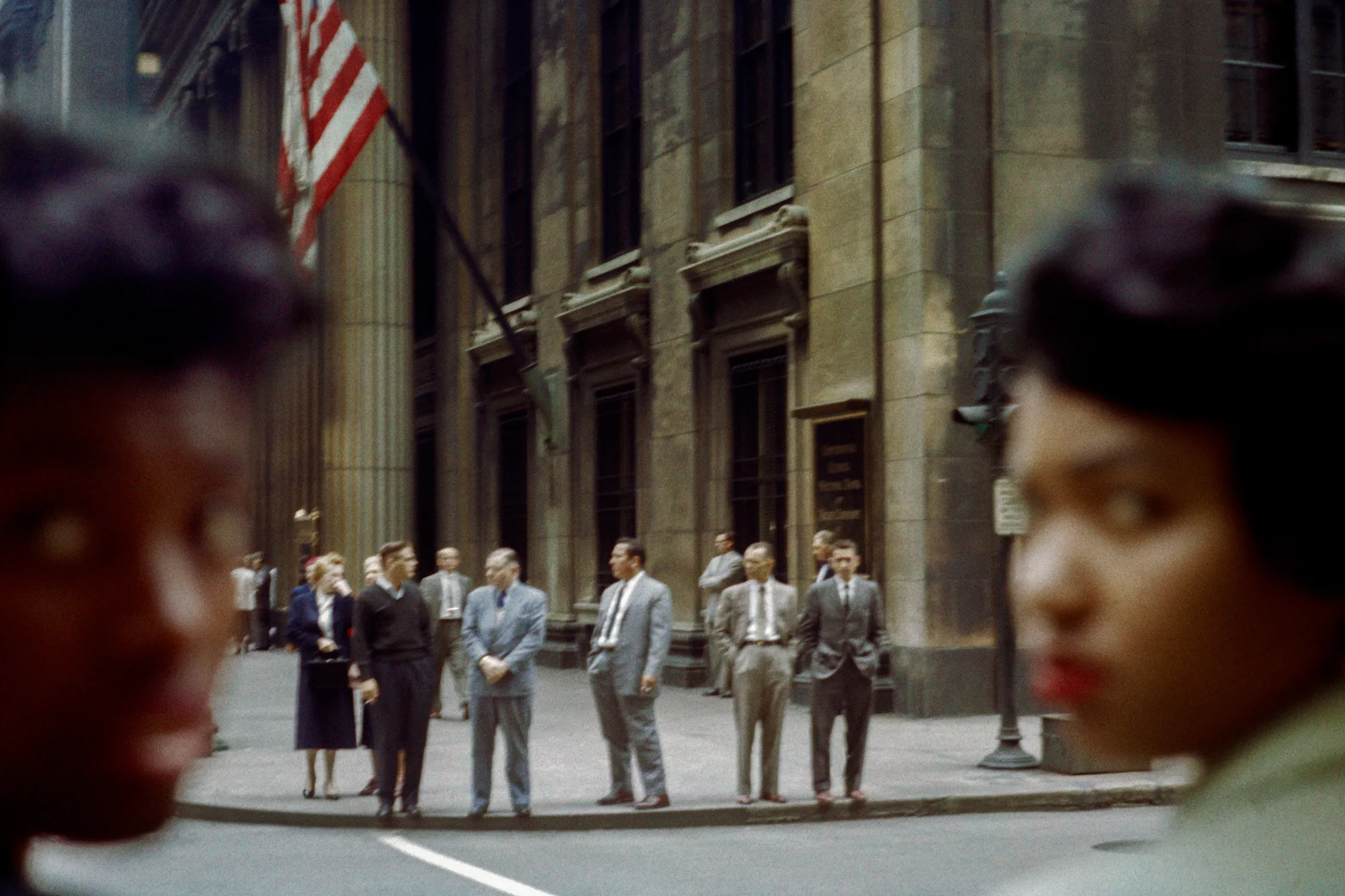
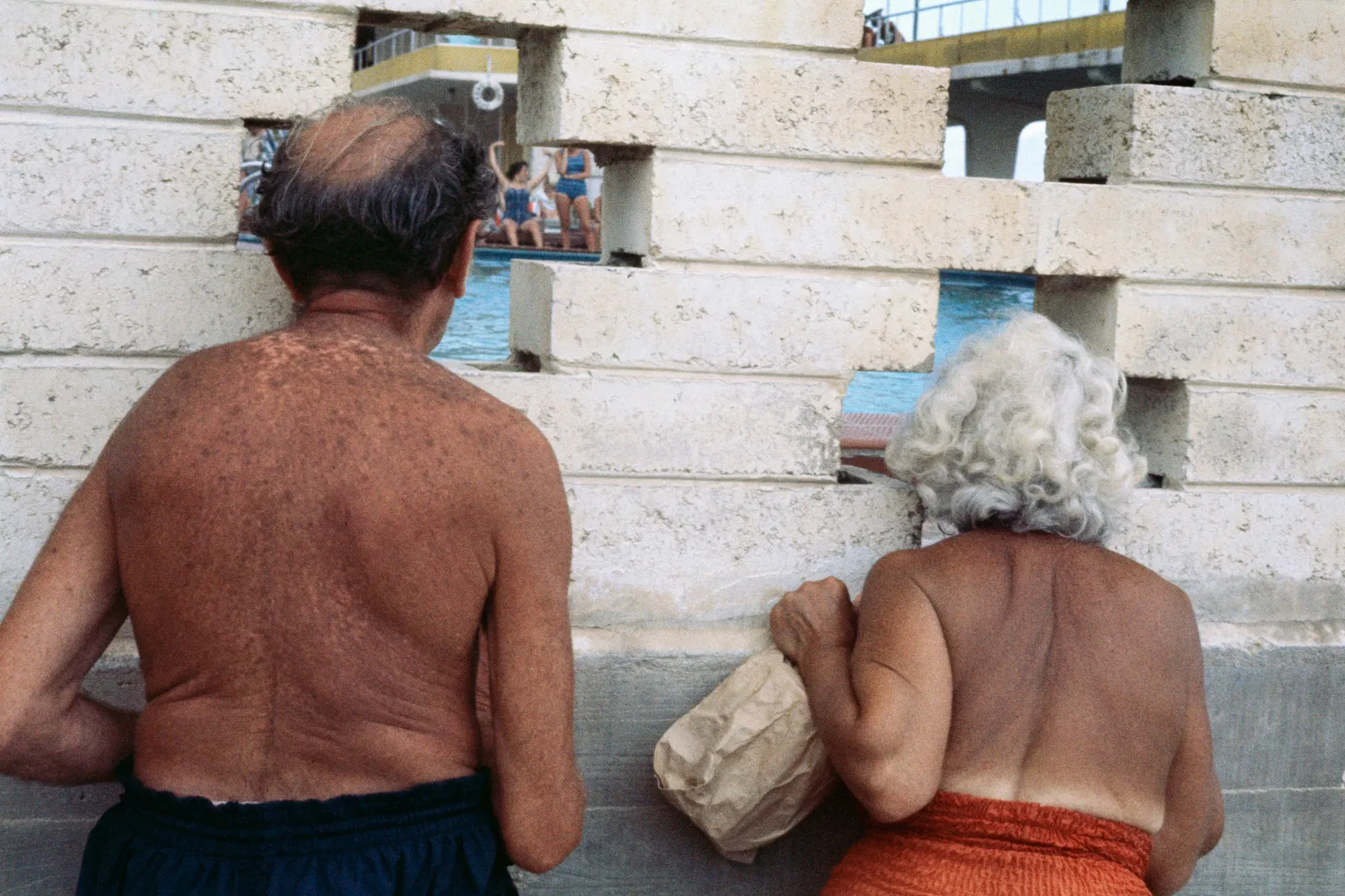
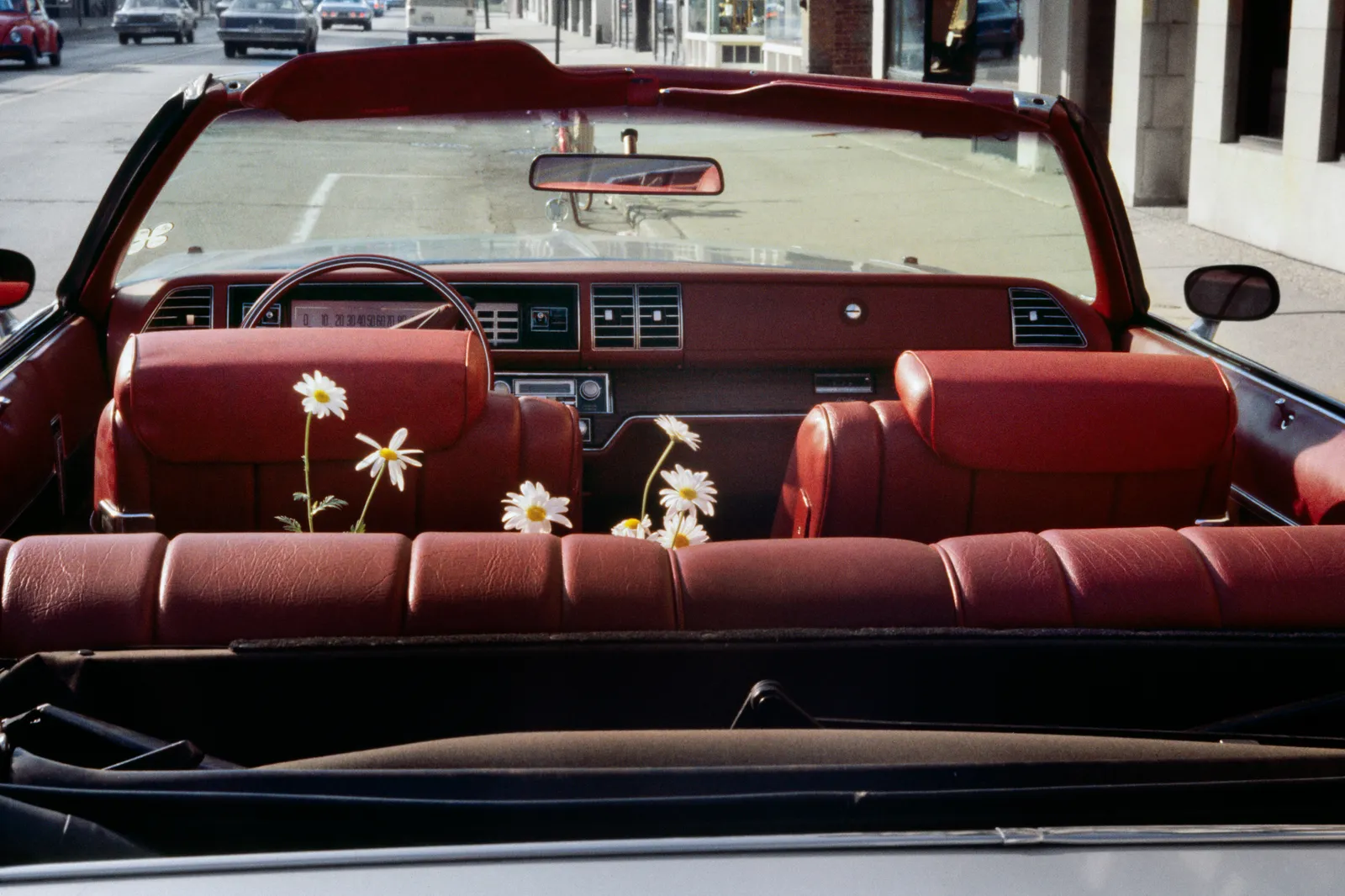
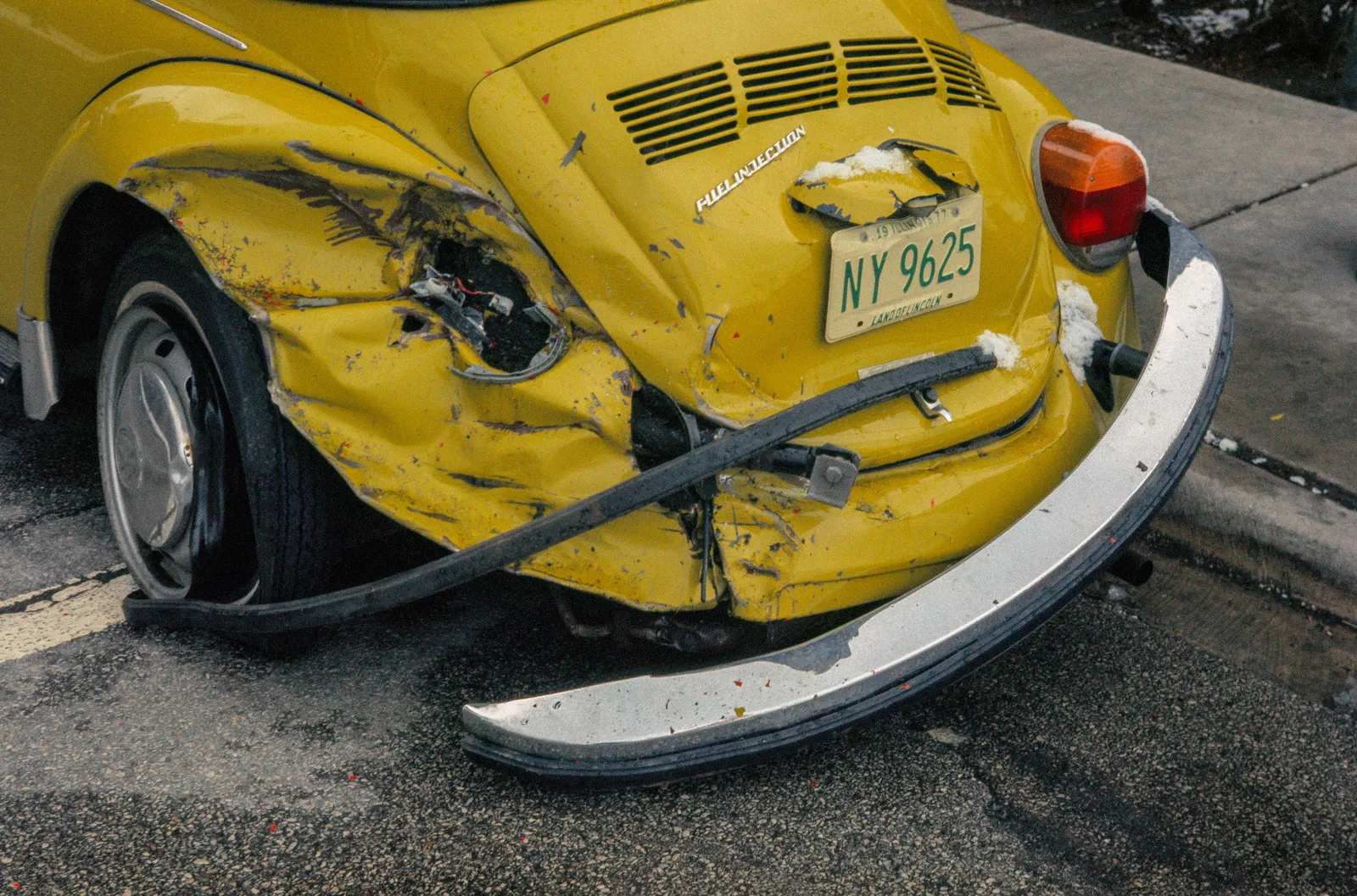
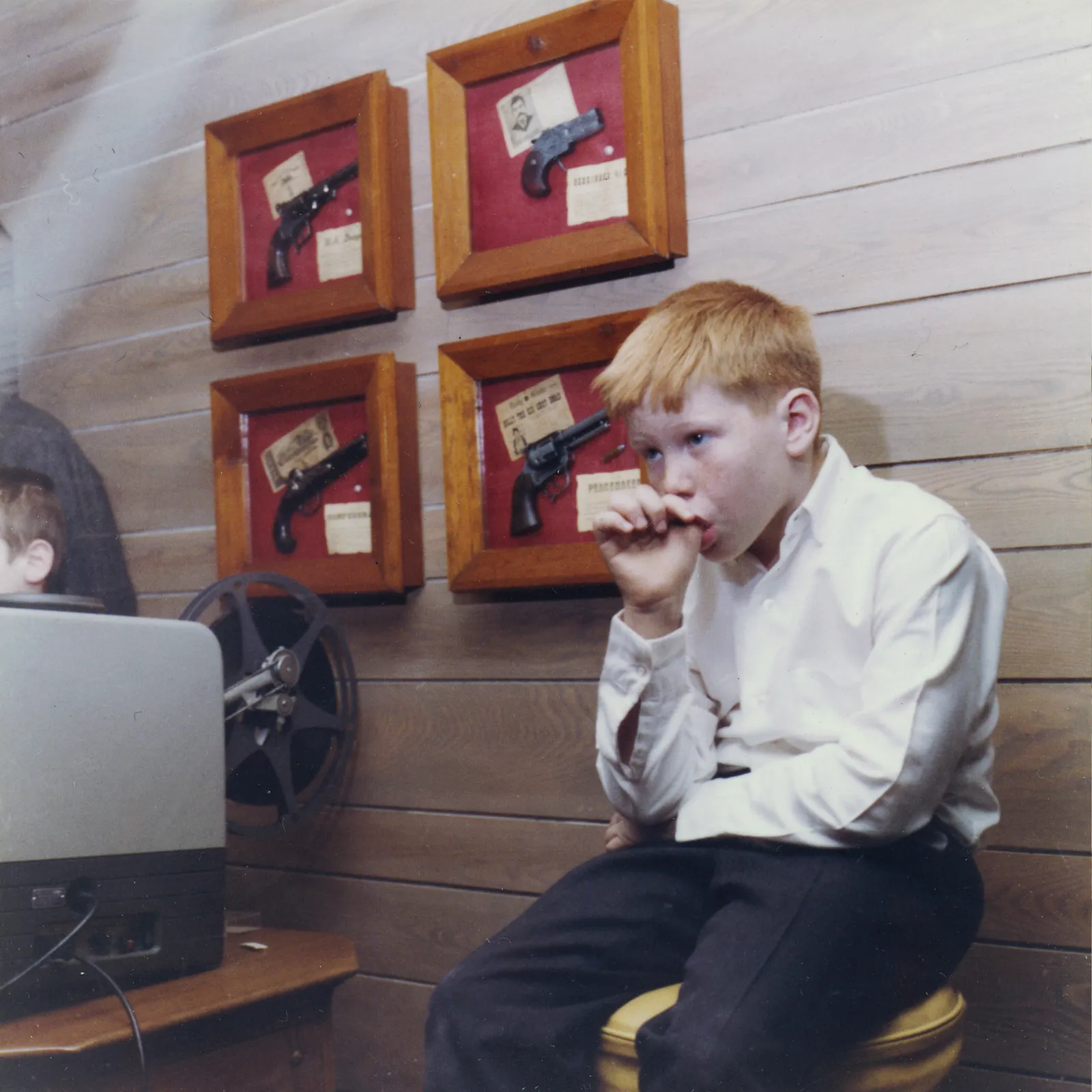
unproperly From the nineteen-fifties until a few years before she died destitute in 2009, Vivian Maier took at least 150,000 pictures, mostly in Chicago, and showed them to nobody.
http://childpsychiatryassociates.com/contact/ For decades, she supported herself as a nanny in the wealthy enclaves of the city. But her real work was roaming the streets with her camera (often with her young charges in tow), capturing images of sublime spontaneity, wit, and compositional savvy.
Maier’s covert work might have languished in obscurity if not for the chance acquisition, in 2007, of a cache of negatives, prints, contact sheets, and unprocessed rolls of film, all seized from a storage locker because she fell behind on the rent.
When John Maloof, a Chicago real-estate agent, bought the material, everything about Maier’s identity was a mystery except for her name. It was only when he ran across her death notice, two years later, that her story began to unfold.
Now Maier has earned her place alongside Diane Arbus, Robert Frank, Lee Friedlander, Lisette Model, Garry Winogrand, as a as a giant of American street photography.
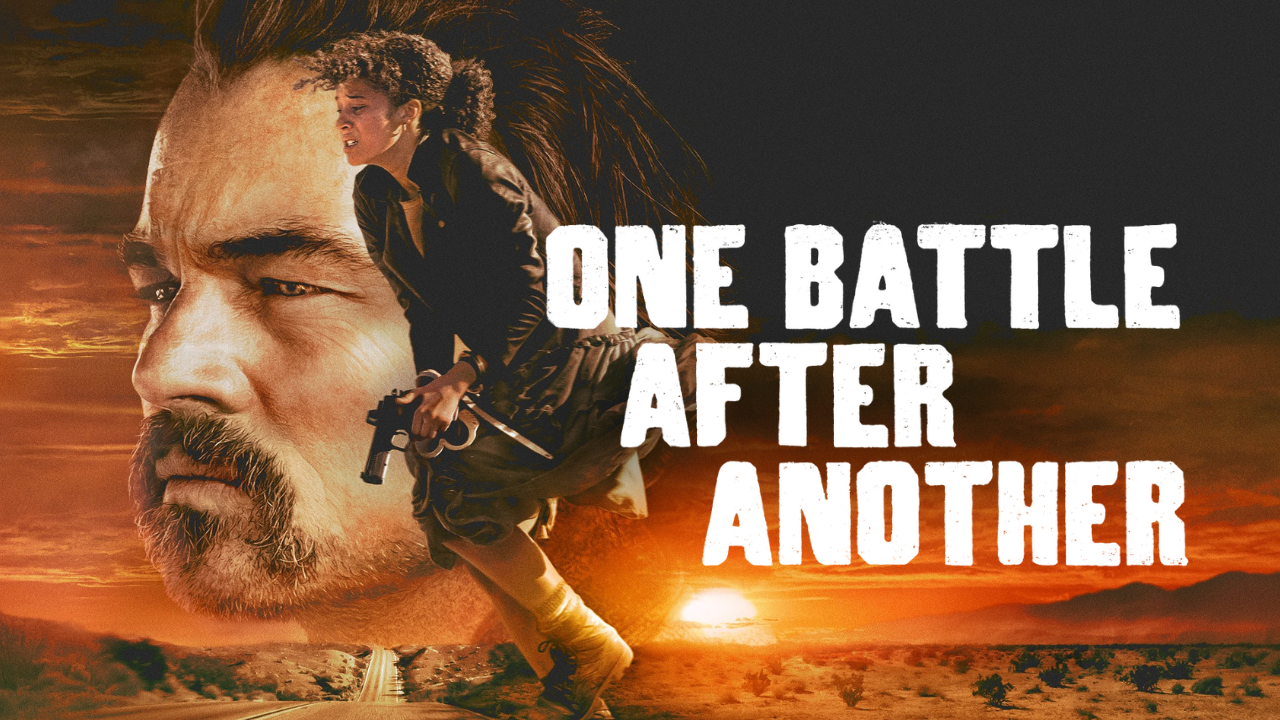
Paul Thomas Anderson may have dropped the year’s most dangerous film.
It feels like the director got a little bit drunk and binged movies by Quentin Tarantino and Stanley Kubrick. One Battle After Another plays as a black comic action thriller about revolution, corruption, and the cost of devotion, but beneath the gunfire sits a father trying to keep hold of his daughter and whatever is left of his ideals.
Bob Ferguson, played by Leonardo DiCaprio, once walked away from the radical world that shaped him. That retreat ends as soon as Willa is pulled into the long shadow he tried to outrun.
The movie’s early trouble comes fast. For the first half hour, Anderson leans on a charged scene between Teyana Taylor’s Perfidia Beverly Hills and Sean Penn’s Colonel Steven J. Lockjaw. The motel scene between them is brazen, hungry, and pitched at a height that strains belief. The power dynamic never quite finds natural footing, and the moment rushes through a psychological turn that the actors work hard to sell.
Yet that scene sits at the center of the plot. Lockjaw’s obsession begins there. Perfidia’s gamble begins there. The entire chain of consequences sparks off that uneasy interaction.
Once the film moves past that hurdle, though, Anderson finds the pulse. When the plot folds back onto Bob and Willa on the run, the movie snaps into its true shape.
The action carries weight and real tension. The shootouts and raids feel earned rather than decorative. The story settles into a chase that blends political paranoia with a bruised parent’s panic.
The father-daughter thread, brief in shared screen time but heavy in emotion, sharpens into the film’s core. You feel years of regret and unfinished sentences between DiCaprio (who is aging with remarkable grace) and Chase Infiniti every time the camera gives them a quiet beat.
The runtime asks a lot. At 162 minutes, the film carries scenes that could shed a few beats without losing power. But Anderson fills the excess with character work worth watching.
These moments turn the story from thriller to something more personal. The cost of belief. The damage of loyalty. The way old ideals echo through the people who never asked to inherit them.
Jonny Greenwood’s score binds the film with a mix of tension and mournful beauty. The camera holds faces long enough to let the actors earn their turns. The landscapes look scorched and alive.
By the final act, Anderson ties the threads with force. Past sins collide with present violence. The film lands as a contemporary reckoning, and unwittingly prescient in its take on the blending of police with military power.
It’s too long and a little preachy, but, flaws and all, One Battle After Another stands as one of the year’s strongest contenders. It belongs squarely in the Best Picture race.
And Penn should run the awards circuit in that haircut.