Bogotá Netflix’s The Perfect Neighbor is one of the most original and uneasy true-crime documentaries in years.
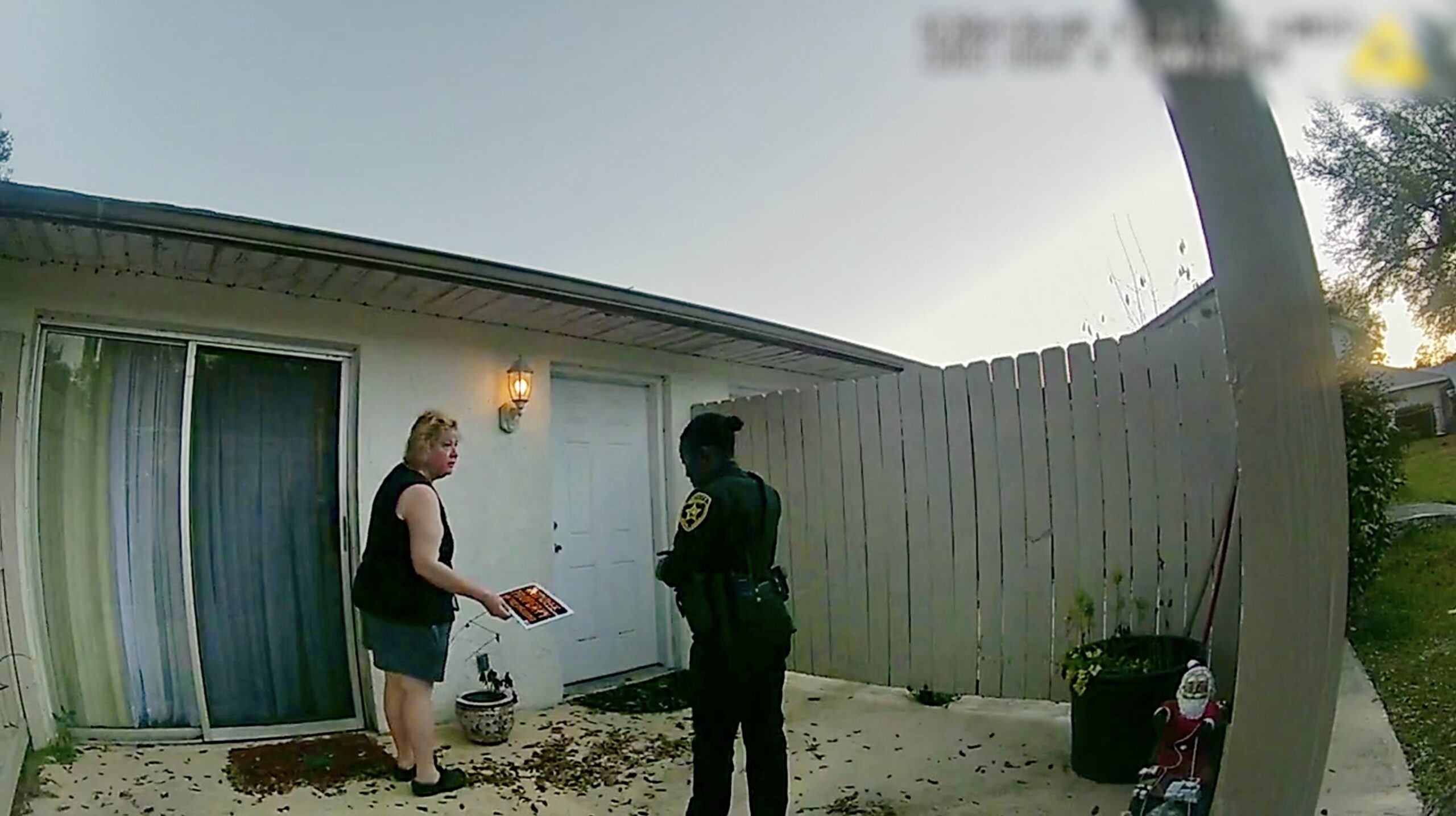
Director Geeta Gandbhir builds the film entirely from police body-cam, 911, and surveillance footage. There’s no narrator, no interviews, no voice to guide you.
Every moment is drawn from real recordings, cut with courtroom precision. The result feels less like entertainment and more like evidence.
That choice matters because both of the film’s subjects, true crime and the Karen phenomenon, have been overworked and politicized.
True crime has become formula. Karen culture has become punch line. Gandbhir merges them and finds something new. The film sits in the overlap between voyeurism and outrage, and it makes both uncomfortable.
The story centers on a neighborhood dispute that spirals into violence. You hear the calls. You see the officers arrive. You watch the aftermath unfold in real time.
There is no narrator to soften it, no expert to explain motive or guilt. Gandbhir’s restraint becomes the film’s point. She trusts the audience to watch, absorb, and decide.
The structure is bold. The film saves its final blow for the end credits, perhaps a first in filmmaking. Gandbhir never builds suspense; she lets it gather.
Every cut feels deliberate. The absence of commentary keeps the focus on the behavior, not the headlines, behind the Florida crime. The rhythm of police footage and home video becomes its own language. It’s slow, tense, and honest in a way few documentaries risk.
The politics are there, but they’re not preached. The film will draw applause from those who see it as justice and discomfort from those who see it as judgment.
That tension is the movie’s engine. It shows what happens when fear and authority meet behind a fence line and neither backs down.
The Perfect Neighbor isn’t pleasant, and it isn’t meant to be. It’s a film built from what people said and did when they thought no one was watching.
That’s what makes it powerful.