http://childpsychiatryassociates.com/treatment-team/kerrie-hill/ Every generation finds its next gold rush.
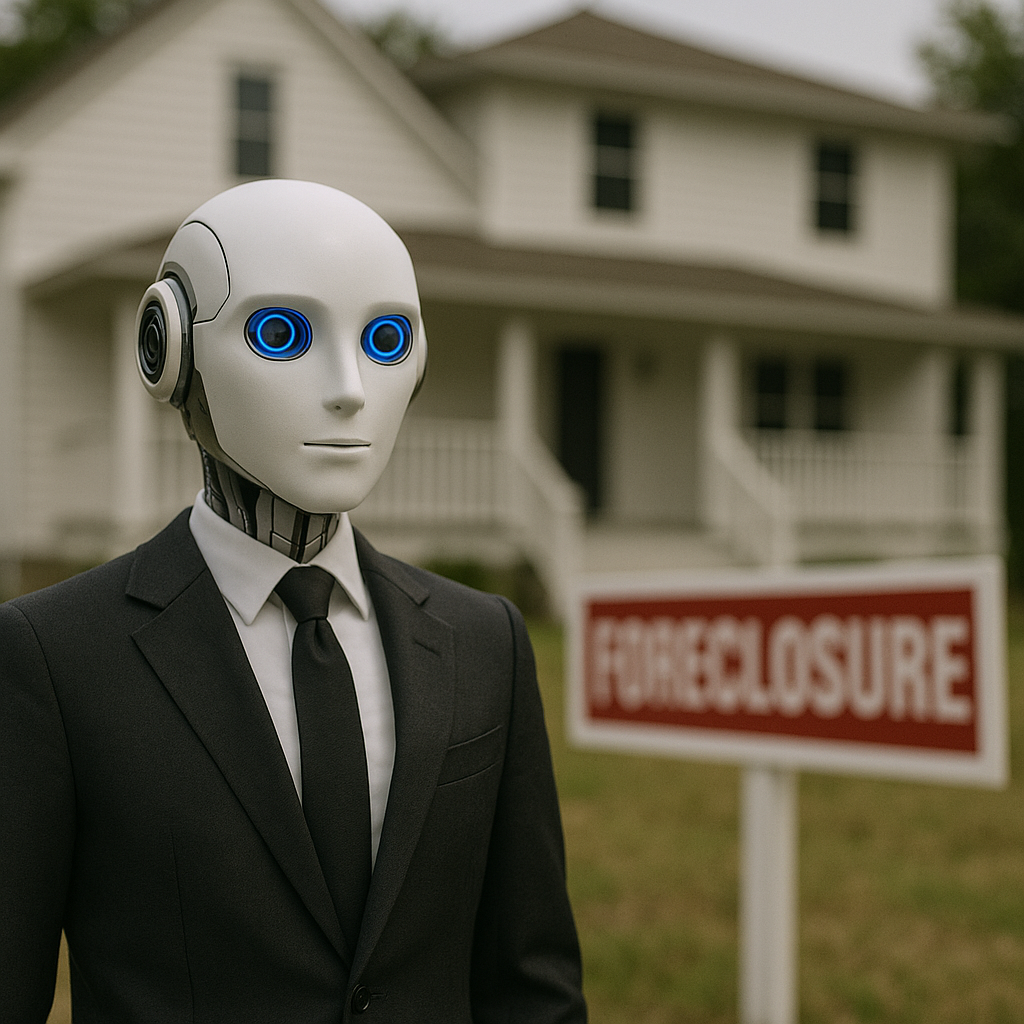
Rangkasbitung In 2008, it was real estate. Today, it’s artificial intelligence.
Both shimmer with promise, both fill balance sheets with faith, and both turn belief into the hottest currency on Earth.
The parallels are striking. In 2008, investors poured everything into homes, betting on a market that could only rise. In 2025, they pour everything into algorithms, betting on a technology that can only advance.
Real estate then and AI now share a dangerous certainty: that this time, the fundamentals have changed.
Seventeen years ago, the world learned that too much confidence can sink an economy. Home prices climbed beyond gravity, lending stretched past logic, and everyone, from the mortgage broker to the manicurist, wanted a piece of the boom.
Houses became poker chips, bundled and bet on by people who had never met the families living inside them.
The logic was simple: people will always need homes. How could that go wrong?
Then, one day, it did. The foundation cracked, the mortgage market folded, and the global economy fell through the floor.
Now, that same confidence hums through Silicon Valley. This time, it isn’t drywall and cul-de-sacs. It’s neural nets, chips, and startups promising to reinvent the human brain. Venture capital pours in faster than at any time since the dot-com era.
The logic feels familiar: intelligence runs the world, so how could investing in artificial intelligence ever go wrong?
AI has become the economy’s new cornerstone. Companies that had nothing to do with computing suddenly call themselves “AI-enabled.”
Firms rebrand overnight to attract investors who chase the acronym as though it were oxygen. Trillions of dollars move toward something few people fully understand, and even fewer can measure.
Both markets feed on conviction. In 2008, belief in home prices grew so strong that numbers stopped mattering.
In 2025, belief in AI has reached the same altitude. Corporations report quarterly losses but triple their valuations with one press release about a new algorithm. Governments write policies around innovation they can’t yet regulate. Investors bet that the future can only move in one direction.
That is how bubbles begin, with faith. The economy starts to orbit a single idea. When that idea turns shaky, everything attached to it starts to drift.
AI has already lifted markets that once seemed grounded. Chipmakers soar. Cloud companies grow rich renting server space for machine learning. Energy firms expand to power data centers that hum day and night.
The ecosystem stretches far beyond software. It touches metals, minerals, and megawatts. It feeds new billionaires as quickly as the housing boom minted homeowners.
But unlike a home, AI has no walls, no doors, no mortgage. Its value exists in the ether, built on expectation.
The question is whether that expectation can last. Productivity gains from AI remain hard to prove. The technology dazzles, but so far it has raised costs more than it has replaced them. Many companies use it as a marketing pitch, not a business model.
The difference between the 2008 boom and the 2025 surge is tangibility. Real estate had substance. AI lives in servers and speculation.
Yet the psychology is the same. When an entire economy aligns behind one story, risk hides in the margins. It doesn’t announce itself with a crash; it creeps in through overreach and exhaustion.
There is brilliance in this boom, no question. AI will reshape medicine, logistics, art, and maybe understanding itself.
But the market around it is behaving less like a renaissance and more like a land rush. Everyone wants a stake before the fence goes up. Startups attract funding in hours. Major tech firms race to announce “next-generation” models every quarter. The momentum feels unstoppable. Right until the song changes.
History may not repeat, but it rhymes like hell. The rhyme between 2008 and 2025 lies in belief: that an innovation, whether brick or byte, can rewrite economic gravity. When optimism replaces caution, the future stops being a plan and starts being a gamble.
The housing boom once promised a nation of homeowners. The AI boom promises a world of geniuses. Both sell the same dream: security through scale, fortune through foresight, progress through faith.
The danger comes when faith starts sounding like financial proof.