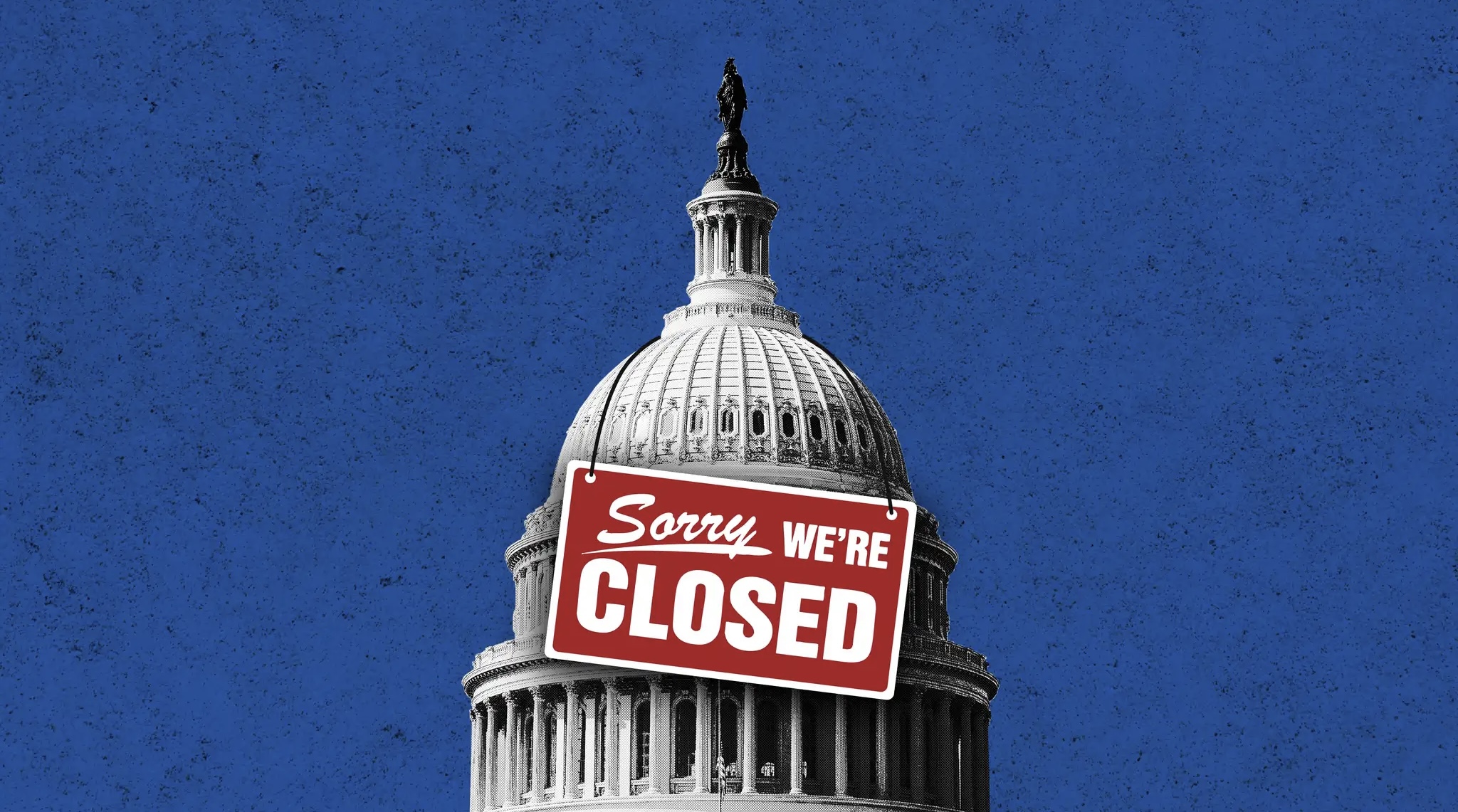
The U.S. federal government is expected to partially shut down at midnight on Oct. 1, following a failed budget compromise between President Trump and Congress. This would mark the 22nd shutdown since 1976.
where can i purchase disulfiram What’s Driving It
The impasse centers on health care spending. Democrats want to preserve Obamacare subsidies and reverse Medicaid cuts enacted under Trump’s “Big Beautiful Bill.” Without a deal, funding expires at the end of the fiscal year, Sept. 30.
- Furloughs: Hundreds of thousands of federal workers considered nonessential would be furloughed—this time possibly laid off, per OMB guidance.
- Unpaid but working: Essential employees—including the military, border security, TSA, IRS, and law enforcement—must work without pay, but typically receive back pay later.
- Mail, prisons, and taxes: USPS, federal prisons, and the IRS remain operational.
Historical Shutdowns
- Longest: 34 days under Trump (Dec 2018–Jan 2019).
- Most days total: Jimmy Carter, 56 days across five shutdowns (1977–1979).
- Average duration: ~8 days per shutdown.
The last major shutdown in 2019 left 50,000 Coast Guard employees without pay for 35 days. A repeat now seems imminent.