Too many documentaries collapse when they reach the hard part.
Castiglione delle Stiviere Instead of pushing for clarity, the journalists soften. They nod, they smile, they give their subject an exit.
It’s not journalism. It’s stage management.
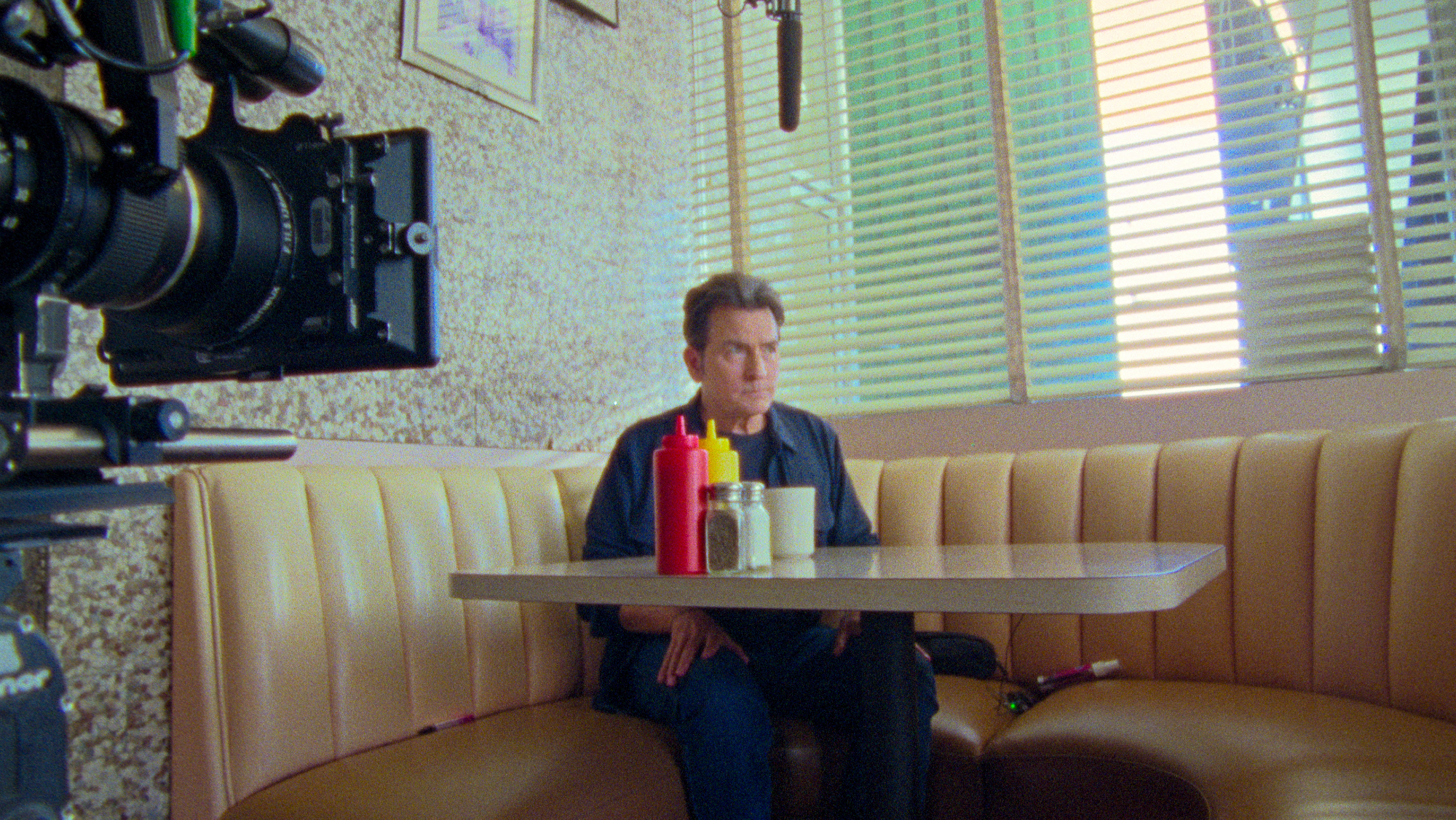
Look at aka Charlie Sheen and Unknown Number: The High School Catfish, two of Netflix’s newest, hottest documentaries. Sheen traces decades of chaos: drugs, violence, HIV, sex, fame. Catfish follows a teenage girl and her boyfriend, tormented by vile texts, only to learn the stalker was her own mother.
Both stories are packed with drama. Both should have been sharpened by journalism. Both blink at the worst moment.
Sheen admits to sex with men. He hides it in metaphor. “Flipping the menu over.” A dodge. He nods at HIV. He shrugs at exposing partners. He mentions drug binges that would kill most people. Smoking seven-gram rocks. He brags of flying a plane drunk on his honeymoon.
And the filmmaker lets him.
No demand for detail. No push on the risk he created for women. No press on the violence. No pause held long enough to break him open. The camera accepts metaphor as fact. It bows to the subject.
Catfish makes the same mistake.
The film builds suspense for an hour. Then the twist lands. The mother was the tormentor. The one who stalked her daughter with threats.
It’s the moment to press why. To demand motive. To dig until she cracked.
Instead the filmmakers fold. They let her wander through fog. They never cut deep.
That is the trend. Documentarians are bending away from journalism and toward therapy.
Access drives it. Push too hard and the star might walk. Sympathy drives it. Filmmakers fall for their subjects.
And the market demands arcs. Every streamer wants the redemptive curve. Confrontation breaks the script.
So the truth dies in the cut.
Sheen gets to float. The mother gets to mumble. Both walk away intact.
The films give drama. They don’t give truth.
And truth is the job.
A documentary should be sharper than daily news. It has the time. It has the intimacy. It has the silence to make people talk.
But silence only works when you hold it.
Hold it and the subject breaks. Blink and they escape.
That is the line between journalism and stage management.
And right now, too many documentaries are stage management.
Bombs drop. Cameras flinch. The blast never lands.
Until filmmakers remember how to press, documentaries won’t be journalism at all.
They’ll just be rehab reels.