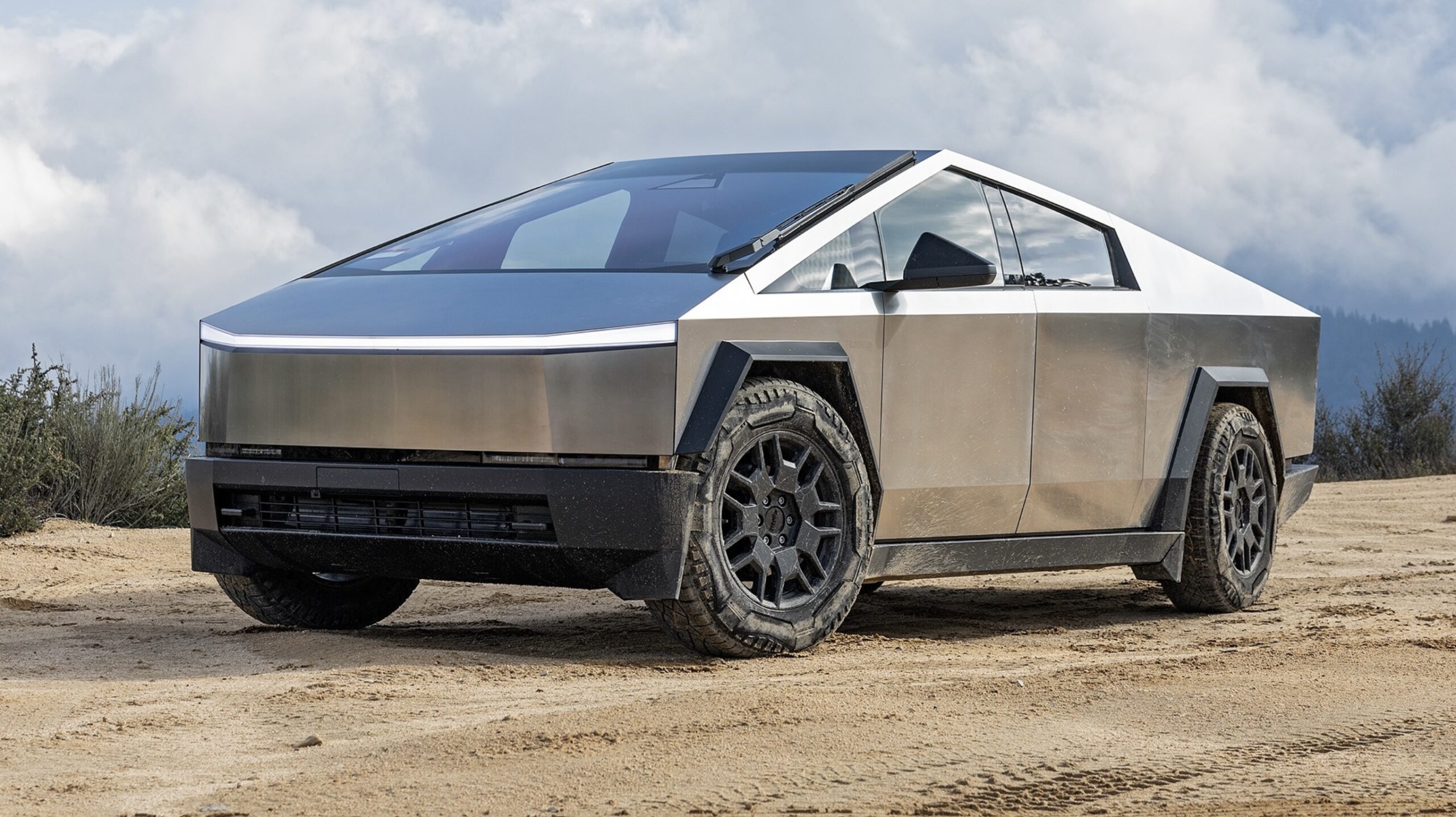
The Cybertruck is dying, and not even Elon can spin it into resurrection.
Tesla’s much-hyped electric pickup, once hailed as the future of utility vehicles, has collapsed into a case study in overpromise and underdeliver. By mid-2025, it isn’t just underperforming—it’s officially flopping.
How big is the failure? Let’s go to the scoreboard.
Tesla sold about 38,965 Cybertrucks in all of 2024. Not great, but respectable—especially for a first-year production rollout. Analysts projected a surge in 2025. Instead, it’s been a cliff dive.
In Q1 2025, Tesla moved around 6,400 units, less than half the previous quarter. By Q2, that fell again—dropping to roughly 4,300, even by generous estimates. That’s a 51% year-over-year collapse, according to Cox Automotive. For a product with over 1 million reservations, that’s not a hiccup. It’s a death rattle.
What went wrong? Start with the price.
Tesla originally promised a base model at $39,900. That base model never materialized. The cheapest available Cybertruck now goes for more than $60,000—a bait-and-switch so glaring, even die-hard Tesla stans flinched. Conversion from reservation to purchase sits around 5%, a figure that would bankrupt a traditional automaker.
Then there’s build quality. Or lack thereof.
By mid-2025, the Cybertruck has faced seven recalls, including issues with sticky accelerator pedals, defective windshield wipers, and doors that trap occupants during a crash. In August 2024, a Nevada man died when his Cybertruck’s battery ignited post-collision—and his doors wouldn’t open. The truck became a 6,800-pound mausoleum.
And the looks? Sure, they got attention. But attention isn’t adoption. Consumers looking for a reliable work truck weren’t sold on the trapezoidal apocalypse aesthetic.
Buyers of electric trucks—who skew practical—gravitated to Ford’s F-150 Lightning or Rivian’s R1T. Both outsold the Cybertruck in Q2 2025. Ford sold nearly 6,000 Lightnings; GMC sold 4,500 Hummer EVs. The Cybertruck? Barely broke 4,000.
Even Tesla knows it. The company quietly slashed prices—some units discounted by $10,000. Others sat unsold in retail parking lots, collecting dust and embarrassing headlines. Workers on the Cybertruck line were reassigned to build the Model Y. The so-called “range extender” option? Cancelled and refunded to early adopters.
The most telling stat? Of the over 1 million reservations, fewer than 50,000 have converted into actual deliveries. Tesla went from revolution to liquidation in 18 months.
This wasn’t just a bad product. It was a broken promise.
A truck that looked like the future but drove like a beta test. A launch strategy that relied on cult status instead of practical appeal. A design built for memes, not roads. Tesla mistook hype for inevitability.
The Cybertruck may limp along for another quarter or two, propped up by discounts and YouTube influencers. But the writing is on the steel wall: consumers aren’t buying it—figuratively or literally.
And when that happens in America, it doesn’t matter how futuristic you look.
Turns out the truck of tomorrow was DOA today.