Monthly Archives: July 2025

’Sinners’ Dances with The Devil


can you buy disulfiram over the counter in uk

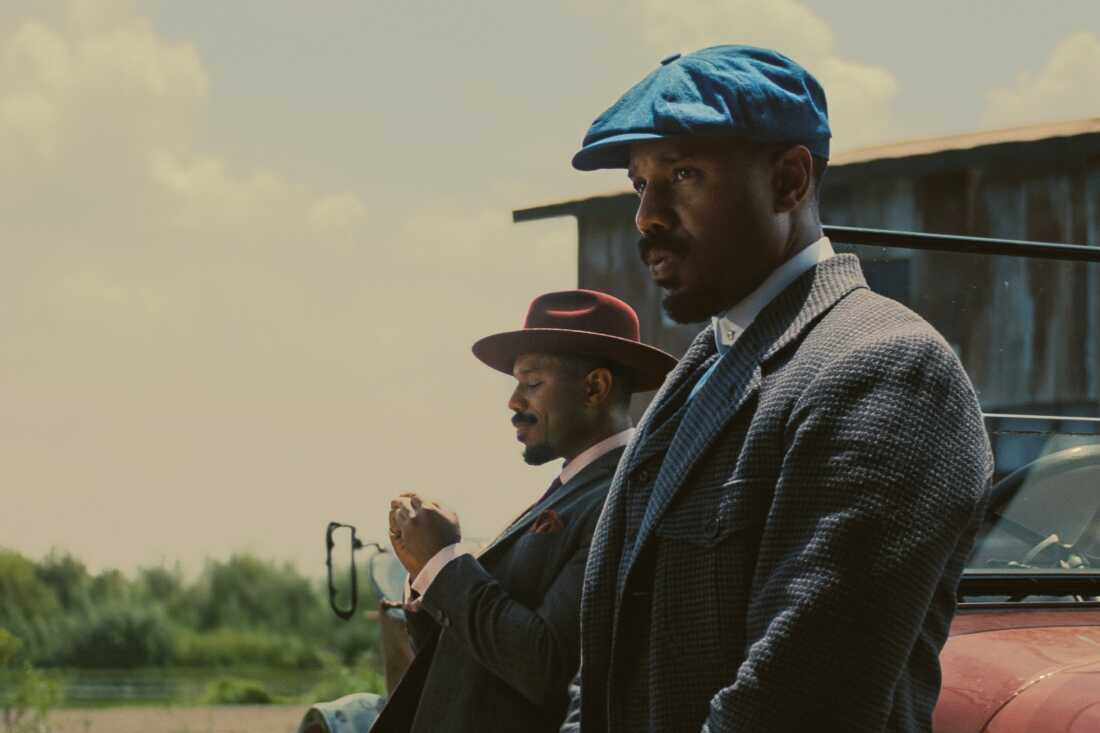
Navoiy Some films stagger toward redemption; Sinners sprints straight into the flames and emerges laughing.

Director Ryan Coogler doesn’t just make a movie — he orchestrates a fever dream of guilt, grace, and gorgeously rendered doom. From the opening shot, where a lone figure flicks a cigarette into an endless black highway, to the final frame’s echoing silence, Sinners moves like a confession set to a drumbeat.

The cast is flawless. Michael B. Jordan delivers a performance that feels less like acting and more like exorcism. You see every tremor, every regret, every moment he considers salvation and spits it out. Jack O’Connell, meanwhile, plays the devil’s advocate not with horns but with a sly wink and a whiskey-smooth voice that makes you want to buy what he’s selling, no matter the price.

But it’s the script that crackles most. Every line sounds like it was carved into a bar bathroom stall at 3 a.m., equal parts poetry and profanity. There’s no false note, no filler. The dialogue doesn’t explain — it slices.

Cinematographer Autumn Durald Arkapaw turns sin into a visual playground. Neon reds bleed into midnight blues, streetlights pool like molten gold, and shadows crawl with a life of their own. The film looks like a nightmare you almost enjoy before waking up in a cold sweat.

Yet amid all the grit and grime, there’s a surprising tenderness. In its quietest moments, Sinners suggests that redemption might be possible — but only if you’re willing to bleed for it. The score underlines this tension perfectly, mixing smoky jazz with industrial echoes, making you feel like you’re inside a haunted jukebox.

At its core, Sinners feels like O Brother, Where Art Thou? meets From Dusk Till Dawn — a Southern-fried fever dream that sings the blues and drinks your blood in the same breath.

In a year of bloated franchises and cynical reboots, Sinners feels like a fistfight in a church: unexpected, thrilling, and deeply satisfying. It’s a reminder that cinema can still surprise, seduce, and scar you — all in the same breath.

See it now. Confess later.
Buckets And Budgets


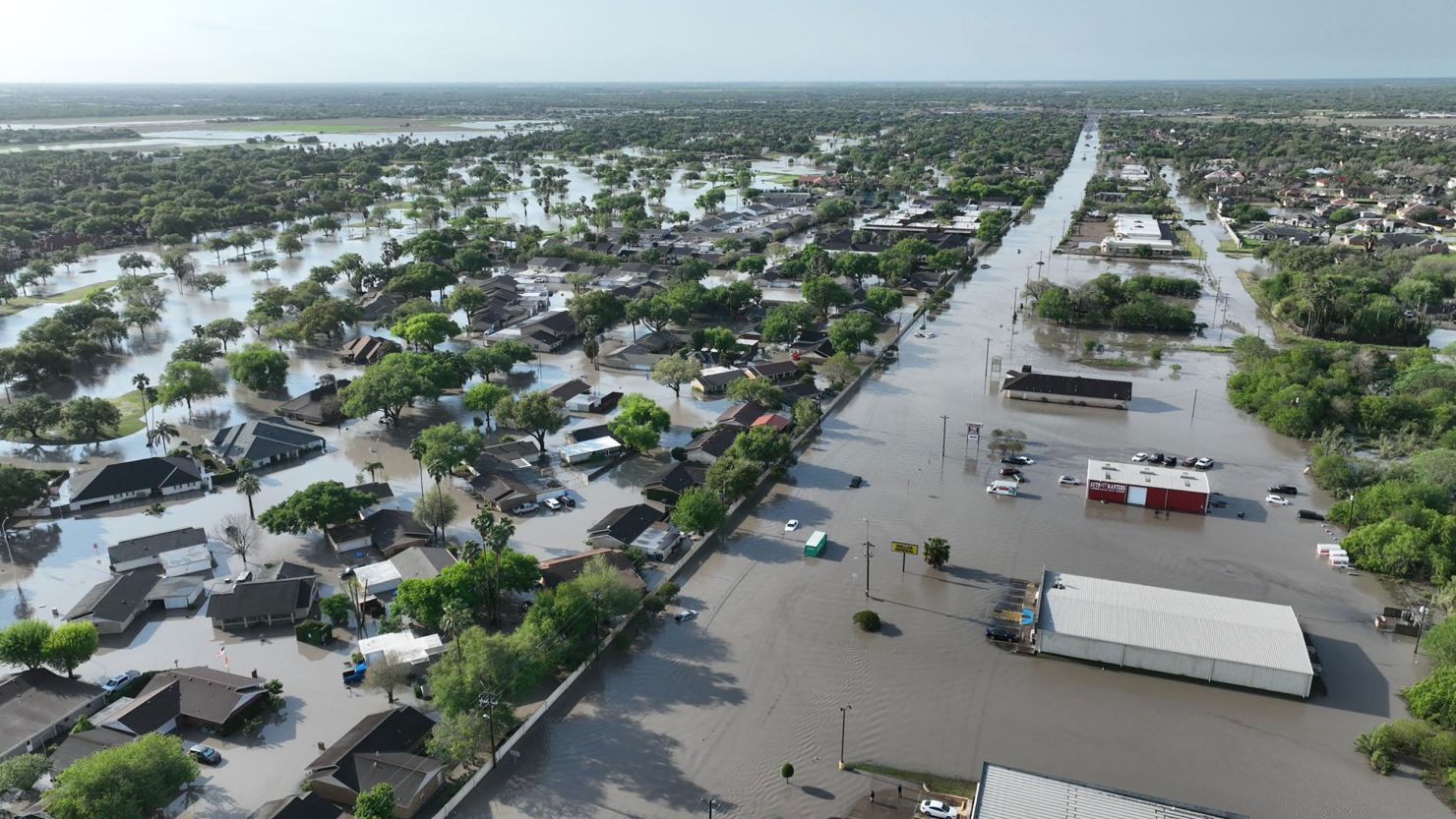
While Texans celebrated the Fourth of July with fireworks, the skies over the Hill Country plotted a different show.

A stalled thunderstorm system, supercharged by Gulf moisture, dumped up to 20 inches of rain in hours. The Guadalupe River roared up nearly 30 feet in less than an hour, devouring roads, ripping through camps, sweeping away cabins filled with children.

At least 32 people are dead. Fourteen of them are kids. Dozens more are missing, their families staring at rivers turned into graveyards.

In the hours before this horror, the National Weather Service issued flood watches and warnings. But they woefully underestimated the rainfall. Forecasts called for three to eight inches. Residents got nearly triple that, in a fraction of the time.

Texas officials wasted no time pointing fingers. The head of the state’s emergency management agency said flatly the forecasts didn’t predict what actually arrived.

In a just world, that statement would spark a rush to strengthen our weather systems. In Trump’s America, it’s just another excuse to swing the axe.

Trump’s 2026 budget will slash NOAA by 27 percent. It will gut the Office of Oceanic and Atmospheric Research by more than 70 percent. It will close satellite programs, kill climate and severe weather labs, and cut funding to the backbone of real-time data.

Already, more than 850 NOAA staff have been laid off, including experienced meteorologists and radar experts. Dozens of weather offices, including some in Texas, have been operating without lead forecasters since early this year. Weather balloons are grounded. Radar maintenance is delayed. Models are stale.

This is the state of American weather forecasting in the era of performative budget politics.

Trump and his allies call these cuts necessary belt-tightening. They claim we can’t afford bloated science agencies.

But you know what’s truly unaffordable? Dead families. Flooded towns. Entire summer camps washed downstream because we couldn’t spare the money to keep scientists in their jobs.

A single severe flood costs billions to clean up. But for Trump, the real cost is political loyalty — and anything that sounds like “climate” or “science” gets thrown in the bonfire.

Weather forecasting isn’t a luxury service. It’s a public lifeline.

It gives families hours to flee rising water, to grab the dog, to run for higher ground. It gives cities precious time to close roads, prepare shelters, and get rescue teams in place.

Every hour of advance warning saves lives. Every fraction of accuracy means someone gets home alive.

Texas officials blasted the National Weather Service for missing the mark. But that’s only part of the truth.

A starved, hobbled agency can’t perform miracles. When you cut the legs out from under forecasters, don’t act shocked when they fall.

You wanted a leaner government? Congratulations. You’ve got it — and now we’re watching families pull bodies from rivers because you decided weather balloons were too expensive.

This disaster isn’t just a story of rain. It’s a story of neglect, sabotage, and arrogance disguised as fiscal conservatism.

It’s a warning about what happens when a country lets ideology drown science. About what happens when leaders treat experts as enemies and data as a threat to be defunded.

If this flood doesn’t change your mind, nothing will. If rows of children’s caskets don’t make you rethink a budget line, you’ve lost the plot entirely.

Americans deserve forecasts that work. Texans deserve better than guesswork disguised as warnings. We deserve a government that values life over slogans and slogans over cruelty.

Trump’s budget didn’t just shrink numbers on a spreadsheet. It shrank the margin between safety and catastrophe. It shrank the distance between a family sheltering at home and a mother identifying her child at the morgue.

If we keep starving our forecasters, we won’t just face more floods — we’ll drown in our own willful ignorance.

The Thick Blue Line


Turns out democracy looks a lot like an ID badge.

Los Angeles Police Chief Jim McDonnell may have just made the most important move in policing since body cameras: ordering all Immigration and Customs Enforcement agents to show identification to LAPD officers and have it recorded on bodycams whenever they operate in the city.

Last week, McDonnell did something that federal authorities have refused to do for years: he brought sunlight to the dark corners where ICE agents hide. For too long, ICE has operated like a traveling ghost show — masked agents in unmarked vehicles, scooping people off sidewalks with the subtlety of a paramilitary snatch squad.

And in a country that claims to worship freedom and transparency, we have inexplicably tolerated it.

The result? Panic. People calling 911 to report kidnappings. Families torn apart in seconds. Neighborhoods paralyzed by rumors and fear. No knock, no badge, no warning. Just men in tactical gear who might as well be phantoms.

McDonnell’s new policy flips the script. From now on, if you want to play lawman in Los Angeles, you’ll need to prove who you are — on camera. No badge? You don’t get to operate. Try it, and you risk arrest for impersonating an officer. It’s so obvious and yet so revolutionary that it makes you wonder how we ever let it get this far.

The move comes as momentum builds nationally to put a leash on ICE’s Wild West tactics. California lawmakers, led by Rep. Laura Friedman, are pushing the “No Masks for ICE Act,” which would ban agents from covering their faces and require them to visibly display identification. Locally, the L.A. City Council is proposing motions to enforce similar standards and punish impersonators with real teeth.

But while legislators draft bills and give speeches, McDonnell acted. He saw what was happening in his city — the terror, the confusion, the erosion of public trust — and he said enough. In a single stroke, he reaffirmed the basic social contract: if you carry a badge, you answer to the people. You can’t terrify a community and call it public safety. You can’t vanish neighbors into unmarked vans and call it law enforcement.

For ICE, transparency has always been kryptonite. The agency’s entire playbook depends on surprise and secrecy, from predawn raids to workplace stings. Agents justify their masks as necessary for officer safety, but in reality, anonymity shields them from accountability, from lawsuits, from community oversight. It is no coincidence that abuses thrive in the shadows.

By demanding IDs and recording them on body cameras, Los Angeles is forcing ICE into the open. It is demanding that the agency stand by its actions with names and faces, just like any other law enforcement body. And it reminds us that ICE is not some divine, unquestionable authority — it is a government agency, and government agencies serve the public, not the other way around.

Critics will howl about risks to officers, as they always do when accountability is on the table. But the truth is simple: police officers reveal their names and badge numbers every day in far more dangerous situations. Transparency is not an attack; it is the foundation of legitimate power.

McDonnell’s policy won’t fix everything. ICE will still exist. Families will still live in fear of deportation. But this is a concrete, immediate step toward demystifying a federal agency that has thrived on fear and opacity.

Los Angeles has drawn a line: if you want to enforce the law here, you must follow it first. Show us who you are. Prove your authority. Because in a democracy, power without accountability is not law enforcement — it’s tyranny.

In demanding that ICE show its face, Los Angeles finally showed us its spine.