Monthly Archives: July 2025

Stupid Pet Network Tricks


The network that made late night must not be watching it anymore.

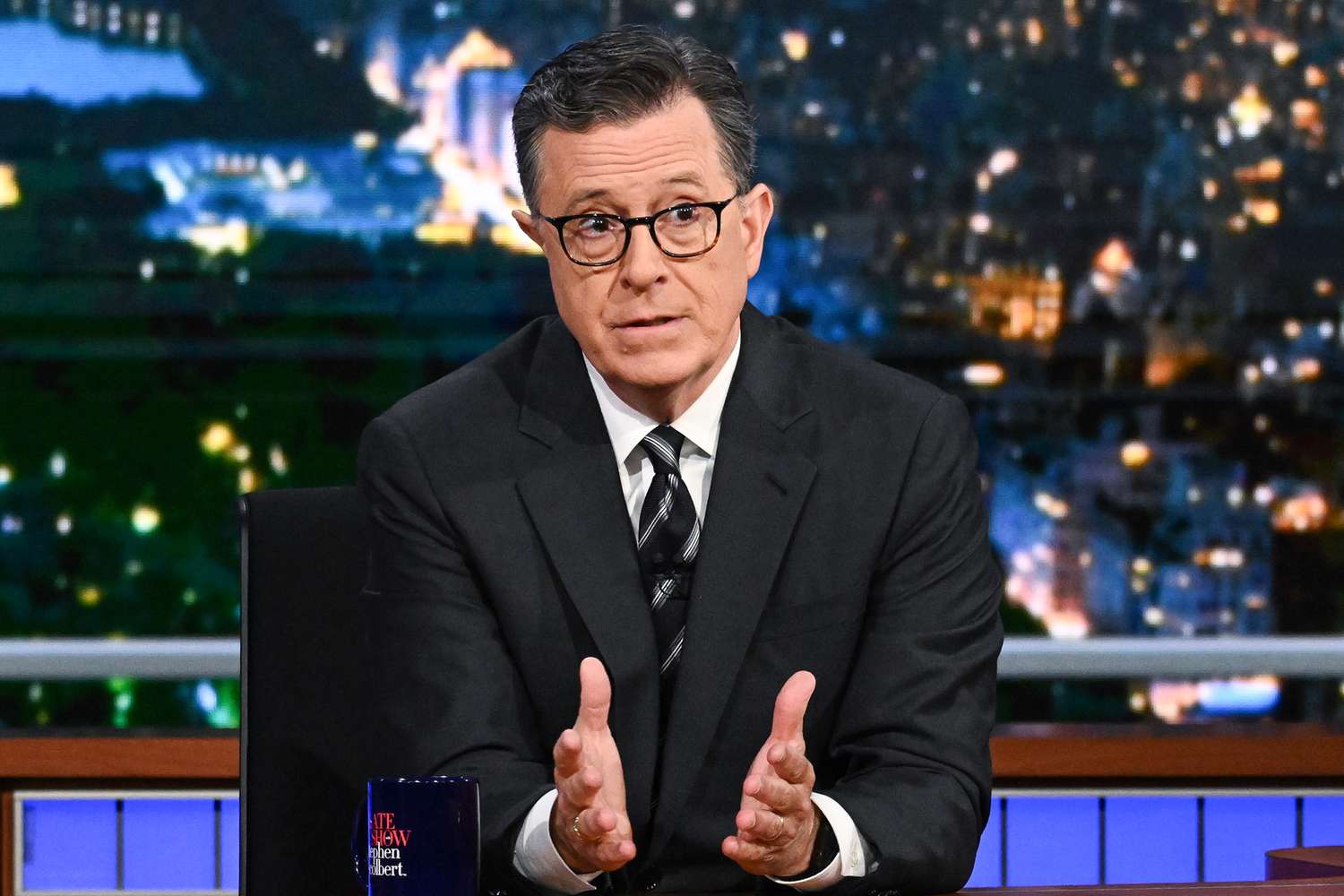
CBS will end The Late Show with Stephen Colbert in May 2026, marking the quiet death of a loud tradition. No scandal, no ratings collapse, no creative dispute—just a memo, a merger, and a bottom line that couldn’t carry one of television’s last grown-ups.

Colbert took over the desk in 2015 after David Letterman retired. Letterman, of course, launched The Late Show in 1993, still steaming from NBC’s decision to hand The Tonight Show to Jay Leno. His jump to CBS wasn’t just a job change—it was television mutiny. It made The Late Show the outsider’s flagship.

Letterman made his bitterness funny. Colbert made his indignation useful. Both were at their best when something wasn’t sitting right.

Colbert was never the agent of chaos Letterman was. He didn’t throw pencils or roast guests for sport. But he did something equally rare: he brought intelligence and conviction to a time slot that usually prefers charm. He wasn’t afraid to drop the comedy when the moment called for clarity. In a field full of punchlines, he gave some context.

And now he’s being cut—not for failing, but for costing too much.

CBS claims the decision is financial. It likely is. The parent company, Paramount Global, is slashing expenses ahead of a planned merger with Skydance Media. No one is replacing Colbert. The franchise is being retired. The Ed Sullivan Theater will go dark, just as the election cycle heats up.

Here’s some more context: The merger relies on Trump’s approval.

It’s fitting, in a way. The nation has decided it prefers cons to comedy.

And bean counters always loomed. Streaming overtook broadcast and cable this year. Ad revenue for network late-night shows has collapsed—from $439 million in 2018 to $220 million last year. Even the Emmys, which once celebrated the genre, could only come up with three talk show nominees this year.

There’s no denying the business case. But there’s also no denying the optics.

Colbert didn’t just entertain. He challenged. He called out Trump when few would. He went after hypocrisy—even in his own network. And he did it nightly, with a smile that rarely softened the blow. He was a critic, a commentator, and sometimes, a stand-in for the adult in the room.

It’s easy to say his act ran its course. But nothing has replaced it. What’s rising in late-night’s place isn’t sharper, smarter, or braver. It’s… cheaper.

Which brings us full circle.

David Letterman jumped ship because he got screwed by NBC. Stephen Colbert stayed until CBS pulled the rug. Different networks. Same punchline.

Maybe The Late Show was always destined to end this way—not with applause, but with accounting.

Colbert gets one more season. Then the lights go out. The show that once defined late-night dies with its host at the top of his game, the audience still tuning in, and the studio still humming.

That, more than anything, tells you what kind of business TV has become. The host who made sense of the madness just got cut for budgetary reasons.

That’s comedy.

Timearc

http://childpsychiatryassociates.com/components/com_jbusinessdirectory/assets/upload.php Timearc

You are exactly a fifth
my age
yet you are nearly
a quarter century older.

What resembles time
from that angle?
Do you see us
as two shadows
stretching long in late light,
aware the day does end,
yet grateful for each warm spill
of sun across our backs?

Maybe we walk different arcs,
but we share this sky,
this brief bright hour —
and that is enough
to carry us forward,
together,
into whatever dusk brings.

Today’s Color Is Burnt Orange

They say they love America, but they keep trying to silence its voice.

In a late-night vote, the U.S. Senate approved the most sweeping attack on public broadcasting in modern history, passing a rescissions bill that would slash up to $1.9 billion from the Corporation for Public Broadcasting (CPB)—effectively gutting both PBS and NPR.

Backed by P=Trump and passed 51–48 along mostly partisan lines, the legislation moves to the House for a rushed vote by Friday night. If it clears that hurdle, Trump has vowed to sign it into law—bringing a slow, deliberate chokehold on America’s most trusted non-commercial media to completion.

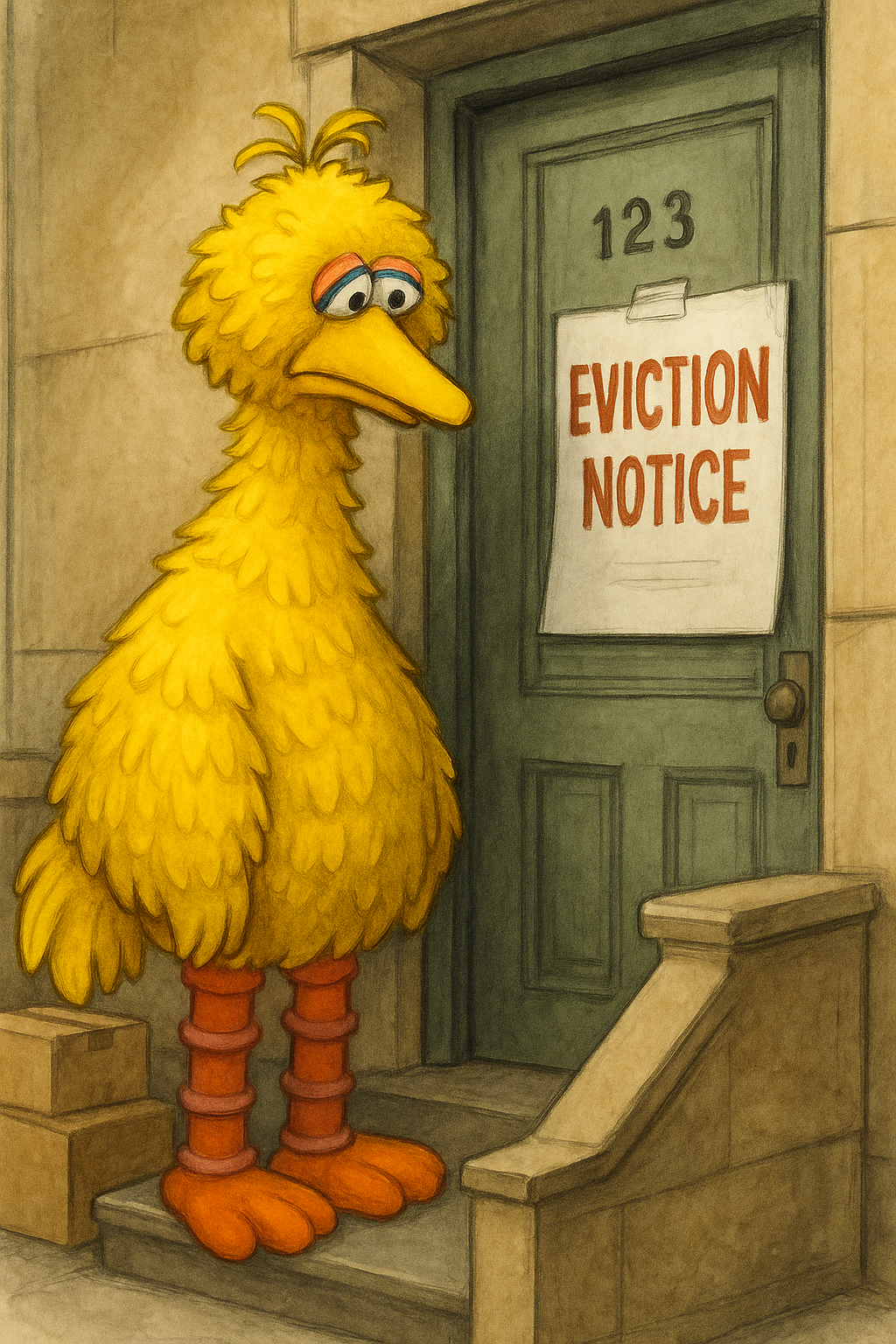
You don’t have to be a fan of Sesame Street or All Things Considered to recognize the scale of this assault. What’s at stake isn’t just Big Bird and Terry Gross—it’s access to education, public safety updates, local journalism, and independent media not controlled by commercial or corporate interests. This is ideological retribution masquerading as fiscal responsibility.

Let’s be clear: PBS and NPR aren’t lavishly funded federal beasts. They’ve been surviving on budgetary crumbs for decades. The proposed cuts would eliminate those crumbs entirely.

The Cuts at a Glance

Corporation for Public Broadcasting (CPB)

  • 2025 federal appropriation: $535 million
  • Proposed rescission: $1.1 to $1.9 billion over two years
  • CPB funding supports over 1,500 public radio and TV stations nationwide

PBS (Public Television)

  • Receives ~$267.8 million annually via CPB
  • Federal funds = ~15% of PBS’s overall national budget
  • For rural PBS affiliates: funding = up to 50% of budget
  • Impact: major cuts to children’s programming, emergency broadcast systems, rural signal access

NPR (National Public Radio and Member Stations)

  • NPR itself gets <1% of its budget from federal funds
  • Local NPR member stations get 10–16% of budget from CPB
    • In rural areas: up to 60%
    • In cities like LA, Boston: 7–12%
  • Impact: station closures, layoffs, loss of local newsrooms and weather alerts

This is a playbook, not a policy. Trump’s executive order in May directed CPB to cease all support for NPR and PBS. Today’s Senate vote is the scalpel. Together, they’re the culmination of a long war against independent, fact-based media. One that began with cries of “liberal bias” and is ending with financial censorship.

A 2023 Pew survey found that 72% of Americans trust their local PBS and NPR stations more than any cable news outlet. That trust is now on the chopping block.

And what’s the price tag for all this carnage?

Roughly $1.1 billion, or about 36 hours of Pentagon spending.

We’ve been told this is about cutting waste. But the real waste is what we’ll lose: programming that informs without ads, teaches without charge, and tells stories without allegiance to sponsors.

The only thing this administration seems willing to subsidize is ignorance.