It’s A Wonder I Can Think at All

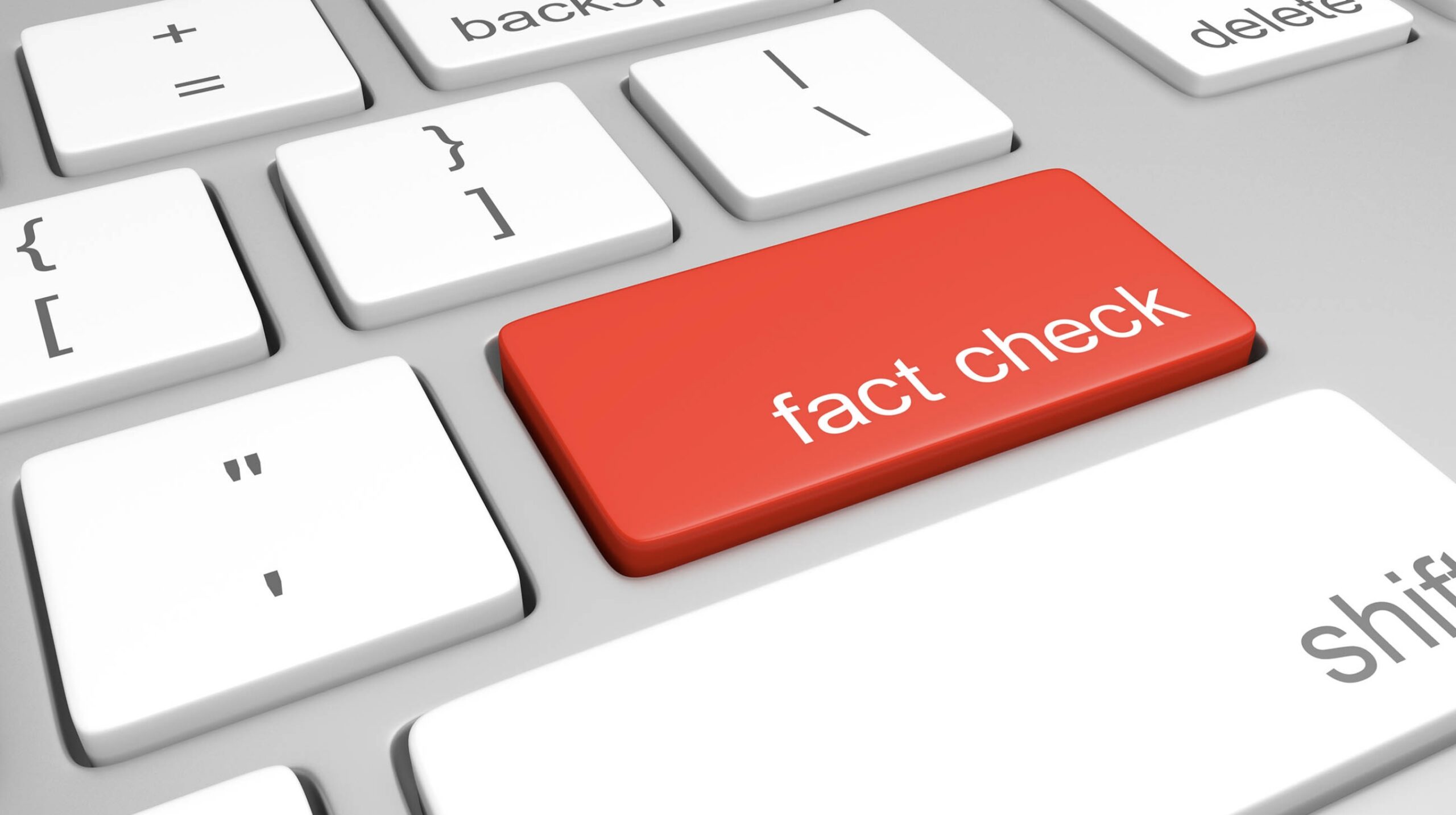
If journalism is the first rough draft of history, fact-checking is the red pen that keeps it honest. Whether you’re a reporter, a researcher, or just tired of Facebook bullshit, learning to fact-check is a non-negotiable skill in the Disinformation Age.
Here’s how to do it right.
systematically Start With a Clear Claim
Before checking anything, identify exactly what you’re checking. Break the claim into bite-size components. Example:
“Vaccines cause autism and were created to track people.”
Break that down into:
Start here. Precision is power.
🌐 2.
Check Reputable Primary Sources First
Don’t Google to confirm your bias. Instead, go to the source:
And yes, Wikipedia can be a decent starting point, but never an ending point.
⚖️ 3.
Cross-Verify With Multiple Sources
One article isn’t gospel. Look for independent agreement from at least two credible, unaffiliated sources. If they all point to the same conclusion, you’re on solid ground.
Look especially for:
🧠 4.
Know the Red Flags of BS
If any of these show up, proceed with extreme skepticism:
Emotion is the currency of misinformation. If it makes your blood boil before it makes you think — pause.
🔁 5.
Use Professional Fact-Checking Sites
These groups do the digging so you don’t have to:
Still double-check them, but they’re trustworthy starting points.
📅 6.
Check the Timestamp
Old facts can become falsehoods in a heartbeat. That COVID stat from April 2020? Obsolete. Always ask:
🧰 7.
Use Verification Tools
Here’s a toolkit to make you a better detective:
🗣️ 8.
When in Doubt, Ask an Expert
Email or call a professor, a researcher, a public official. Experts — real ones — usually welcome clarity.
🧾 9.
Document Everything
If you’re publishing or sharing, always link to your source. Keep screenshots of edited or deleted material. Receipts matter.
🧨 10.
Be Willing to Be Wrong
The hardest part of fact-checking isn’t doing the research. It’s updating your own beliefs when the facts demand it. You’re not here to win an argument. You’re here to find the truth.
Data doesn’t give a shit.