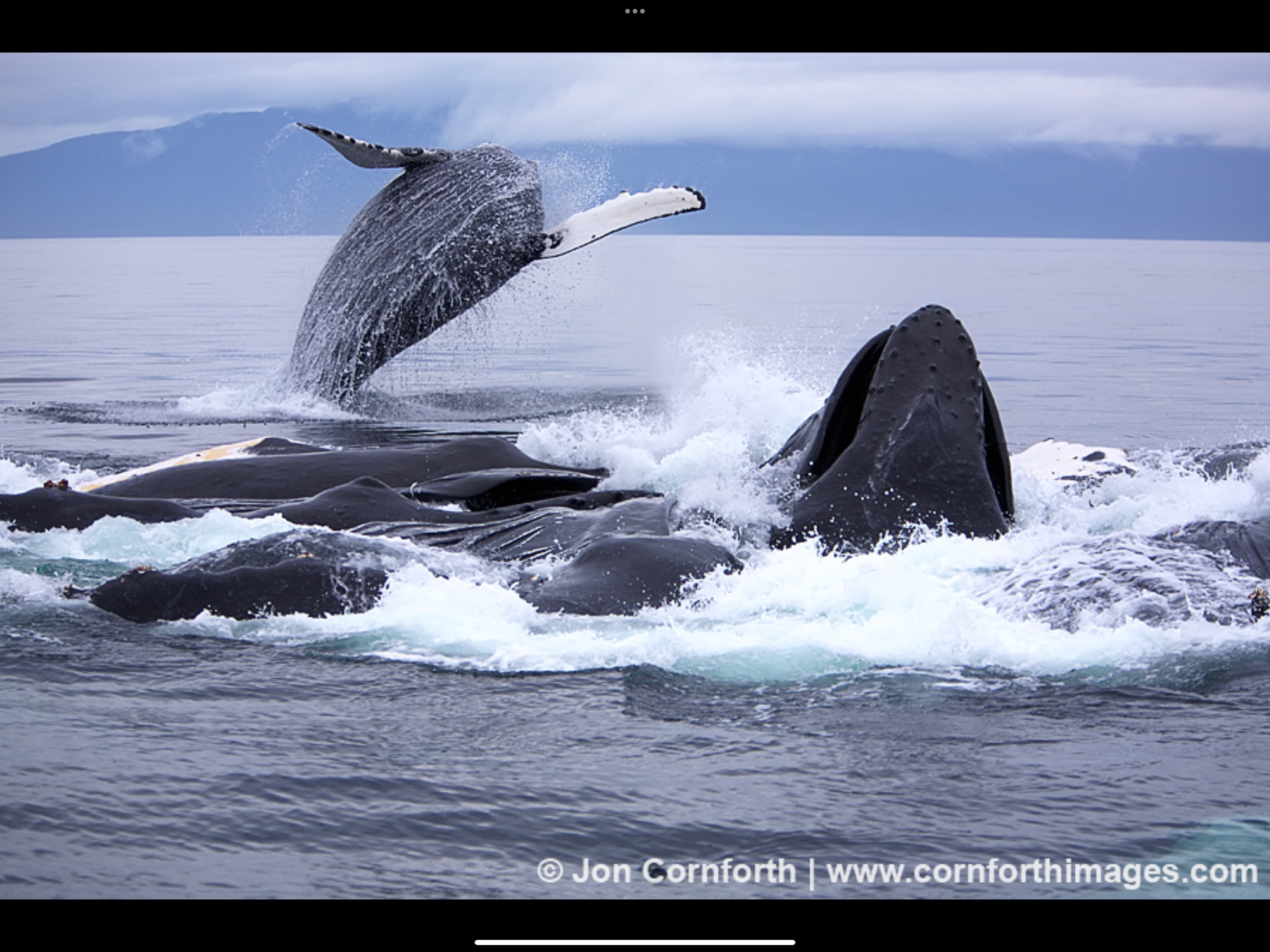
Humpback whales might be the most reliable first responders in the ocean.
According to a study in Marine Mammal Science by NOAA researcher Robert L. Pitman and colleagues, humpback whales have intervened in killer whale hunts at least 115 times between 1951 and 2012. And they almost always do it at their own expense—with no food, no kinship, no visible reward. Some factslaps:
http://childpsychiatryassociates.com/where-to-start/ The Numbers
- 115 documented cases of humpback interference in orca predation.
- 89% of the time, the animal being attacked wasn’t a humpback.
- Targets saved included: gray whale calves, Weddell seals, sea lions, ocean sunfish, and even porpoises.
- Only 11% involved a humpback calf being threatened.
In one now-famous 2009 incident, researchers watched as a humpback lifted a Weddell seal onto its chest, shielding it from a circling pod of orcas and then gently carrying it toward an ice floe.
No food. No blood ties. Just a rescue.
The motives remain unclear, but theories include:
- Acoustic trigger response: Humpbacks may instinctively react to the sounds of orcas hunting, regardless of the prey species.
- Proxy protection: By disrupting orcas now, they might lower future risks to their own young.
- True altruism: Some scientists float the idea that these are deliberate, selfless acts—evidence of empathy across species.
Pitman and co-authors even used the phrase “interspecific altruism”, a term rarely applied outside primate behavior.